

Understanding the 2026 Perseids
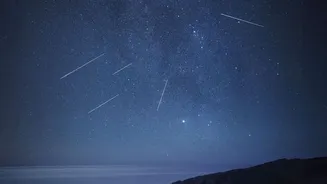
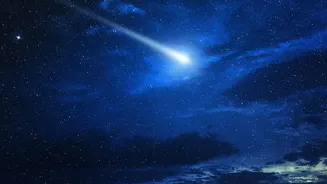
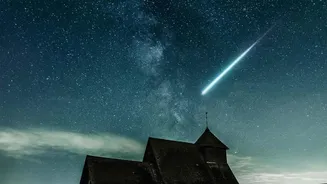
The Perseid meteor shower, active from mid-July to late August, is one of the most anticipated astronomical events of the year. It occurs when Earth passes through the trail of debris left by Comet Swift-Tuttle. For 2026, the peak is expected on the night
of August 12-13. What makes this year exceptional is the timing: the peak coincides perfectly with a new moon, which means the sky will be completely dark, allowing even faint meteors to be visible. Observers in ideal, dark locations could see up to 100 meteors per hour. The best viewing time in India is from around 2 a.m. until dawn on August 13.
Hanle, Ladakh: India's Premier Dark Sky
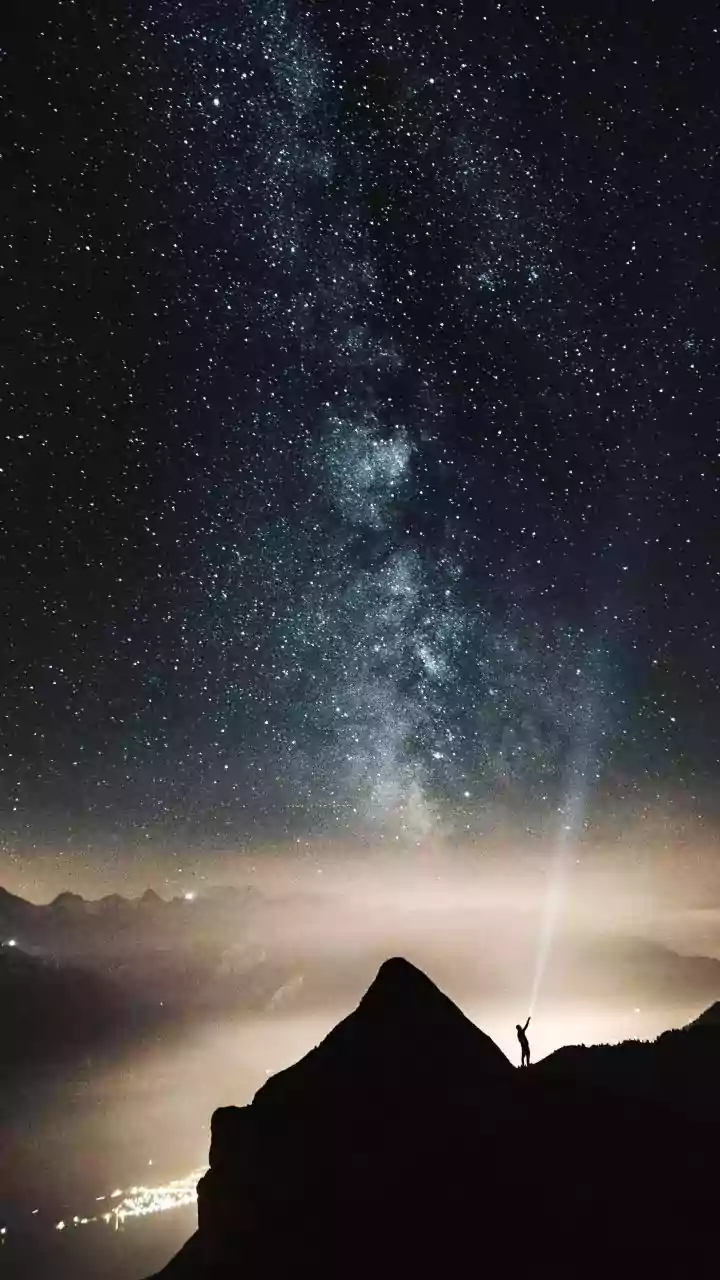
When it comes to stargazing, Hanle is in a league of its own. As India's first and only officially designated Dark Sky Reserve, it offers some of the most pristine skies on the planet. Located in the Changthang region at an altitude of 4,500 meters, the area has minimal light pollution, thin air, and over 300 clear nights a year. The Milky Way is so bright here it can cast a faint shadow. During the Perseids, this translates to an unparalleled viewing experience. Local villagers, trained as astronomy ambassadors, often guide visitors, and several homestays are equipped to host stargazers, making it a unique community-led astro-tourism destination.
Spiti Valley, Himachal Pradesh: High-Altitude Grandeur
Spiti Valley is another Himalayan paradise for sky-watchers. Its high-altitude, cold desert landscape means minimal light pollution and incredibly clear skies, especially between May and October. Villages like Kibber, Langza, and Komic are situated at over 4,000 metres, offering vast, unobstructed views of the cosmos. During the August Perseids, the monsoon clouds that cover much of India are less of a concern here, increasing your chances of a clear night. Just a short walk away from the small villages, the darkness is profound, making it an ideal location to lay back and watch the meteor shower against a backdrop of snow-capped peaks.
Rann of Kutch, Gujarat: A Desert Canvas
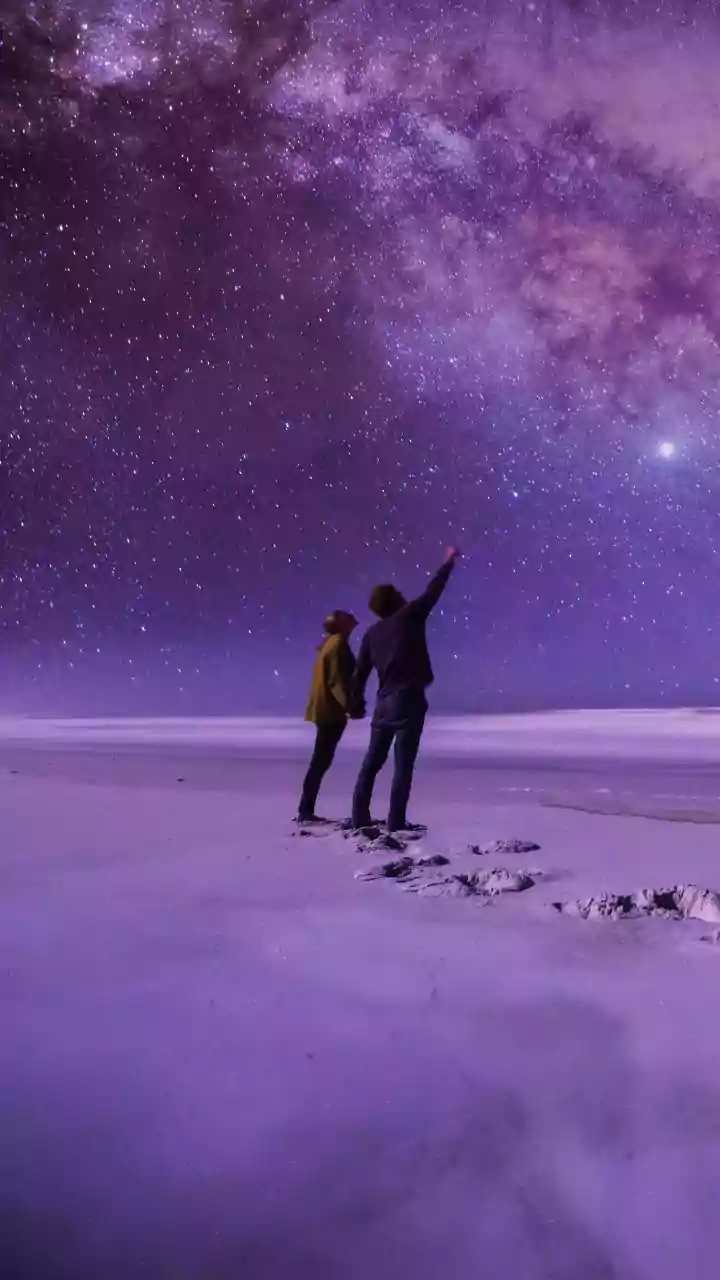
The Great Rann of Kutch provides a dramatically different but equally stunning setting. The vast, flat expanse of the white salt desert offers an uninterrupted 360-degree view of the sky. During the winter months, the region is famous for the Rann Utsav, but its clear, dry skies make it a fantastic year-round spot for astronomy. The absence of significant light pollution in the remote areas of the Rann means the sky becomes a brilliant canvas for events like the Perseid meteor shower. For the best experience, head towards Kala Dungar (the highest point in Kutch) or find a spot deep in the White Rann, far from any local settlements.
Coorg, Karnataka: Southern India's Dark Spot
For those in South India, the hills of Coorg offer a surprisingly dark and accessible option. While the region is known for its coffee plantations and misty landscapes, certain areas, particularly in the southern valleys near the Brahmagiri foothills, boast Bortle 2 skies—a measure of darkness indicating excellent viewing conditions. These spots are far from the light pollution of cities like Bengaluru and offer a serene environment for stargazing. While the August monsoon can be a factor, a break in the clouds is all you need. The clear season generally runs from November to May, but astro-tourism operators and observatories like Starscapes offer guided sessions year-round, providing telescopes and expert guidance.
Tips for a Great Viewing Experience
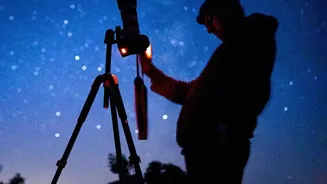
You don't need any special equipment to enjoy a meteor shower; your eyes are the best tool. Find a comfortable spot away from all sources of light and give your eyes about 20-30 minutes to fully adapt to the darkness. Lie on your back, look straight up, and be patient. It's also wise to check the weather forecast and moon phase before you go. For high-altitude locations like Ladakh and Spiti, remember to acclimatise properly and pack warm clothing, as nights get extremely cold even in summer.