





The Direct Connection Strategy
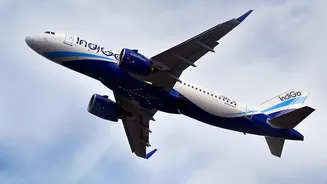
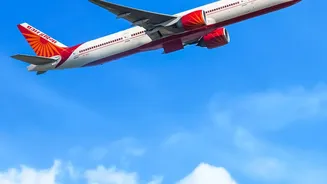
The single biggest factor making Phu Quoc accessible is the introduction of direct or one-stop flights from major Indian cities like Delhi, Mumbai, and Bengaluru. Airlines, particularly low-cost carriers (LCCs) like VietJet Air, have pioneered these routes.
By cutting out the need to transit through major hubs like Bangkok or Singapore, they eliminate a significant layer of cost and time. This point-to-point model is a hallmark of budget airlines, focusing on connecting high-demand city pairs directly, which simplifies operations and reduces the fees associated with using large, congested hub airports.
A Masterclass in the No-Frills Model
The rock-bottom prices you see advertised are just the base fare, covering your seat and a small personal item. This is the core of the LCC business model: unbundling. Everything else is an optional extra. Checked baggage, seat selection, onboard meals and beverages, and even priority boarding come at an additional cost. This 'pay-for-what-you-use' approach allows airlines to advertise an incredibly low entry price to attract customers, while still generating significant income from those who choose to add these services. For travellers willing to pack light and forgo in-flight amenities, the savings can be substantial.
Fuel-Efficient Fleets and Packed Cabins
Modern aircraft are key to the low-cost equation. Airlines operating these routes predominantly use a single type of aircraft, often from the Airbus A320 or Boeing 737 families. These planes are highly fuel-efficient, reducing the largest variable cost for any airline. Furthermore, these carriers configure their aircraft with high-density seating, fitting more passengers onto each flight. This lowers the 'cost per seat', allowing the airline to spread its fixed operational costs—like crew salaries and maintenance—across a larger number of paying customers, which is crucial for profitability on budget-friendly routes.
The Power of Ancillary Revenue
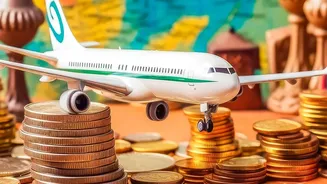
The money from those 'extras' is officially known as ancillary revenue, and it's the financial engine of the budget airline world. It has become so significant that for some ultra-low-cost carriers, it can account for over half of their total revenue. This income, derived from everything from baggage fees to commissions on hotel bookings and travel insurance, effectively subsidizes the low ticket prices. So, when you pay for extra legroom or a hot meal, you are directly contributing to the airline's ability to offer that initial cheap fare to everyone else.
Vietnam's Welcoming Policies
Phu Quoc itself plays a massive role in its own affordability. The Vietnamese government has a special policy allowing tourists of all nationalities, including Indians, to enter Phu Quoc for up to 30 days without a visa, provided they fly directly to the island and do not travel to the mainland. This removes the cost and hassle of applying for a visa, a significant incentive for travellers. While less publicised, destinations often offer airlines incentives like reduced landing fees or cooperative marketing funds to encourage them to open new routes, further lowering the airline's operational costs and, in turn, the fares for passengers.
Operational Hustle: Quick Turnarounds
A plane on the ground is a plane not making money. Budget airlines are masters of efficiency, scheduling quick turnaround times between flights—sometimes as short as 25-35 minutes. This operational hustle ensures their aircraft spend more time in the air, flying multiple sectors per day. Maximising aircraft utilisation is fundamental to the LCC model. By keeping their expensive assets constantly generating revenue, they can afford to charge less per flight, a strategy that can sometimes lead to cascading delays if one flight is held up.