







Forget sterile hotel corridors and generic tourist traps. A new wave of travel is deepening our connection to place, and it starts by choosing a different kind of door to knock on: the door of a local homestay.
Beyond the Buffet Breakfast
For years, the standard vacation involved
a predictable loop of sightseeing, souvenir shopping, and relaxing by a pool. But today’s travellers are increasingly seeking something more authentic and enriching. They crave connection, not just comfort. This is where the homestay experience transforms a simple holiday into a meaningful cultural exchange. Unlike a hotel, a homestay invites you into a family's home and life. It replaces the impersonal nature of commercial lodging with the warmth of genuine hospitality, offering a lived-in perspective you can't find in a guidebook. The real value isn't just a bed for the night; it's the opportunity to see a place through the eyes of those who call it home, sharing stories and meals with your hosts.
A Taste of the Land
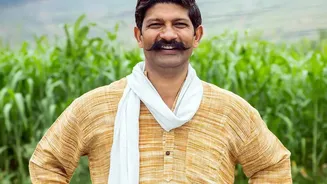
Nowhere is this immersion more tangible than in agri-tourism homestays. These are often located on working farms, plantations, and ancestral estates across India. Imagine waking up not to traffic, but to the sounds of a farm stirring to life. In regions like the Konkan coast of Maharashtra, guests can participate in the seasonal rhythms of agriculture. Depending on the time of year, you might find yourself helping harvest mangoes or cashews, learning how coconut milk is hand-pressed, or walking through a spice garden with a host who explains the medicinal use of each plant. In Kerala, homestays on organic farms allow guests to explore everything from beekeeping to the cultivation of pepper and vanilla. Stays in Coorg or Chikmagalur in Karnataka bring you to the heart of coffee country, while those in Sikkim or Darjeeling offer a chance to participate in tea-picking on sprawling estates. This hands-on involvement fosters a profound appreciation for where our food comes from and the labour involved.
Hands-On Heritage and Craft
Beyond the fields and orchards, homestays are becoming vital platforms for preserving India’s rich craft heritage. Many host families are artisans themselves, eager to share their skills with interested guests. In villages near Jodhpur, you can stay with a family of weavers and try your hand at making traditional 'dhurrie' rugs. In Jaipur and its surroundings, numerous homestays and workshops offer introductions to the intricate art of block-printing, allowing you to create your own textile. Further east, in places like Shantiniketan in West Bengal, art-focused homestays connect guests with the region's creative spirit. In Kutch, Gujarat, entire villages have created craft-based tourism experiences where families host guests in traditional homes decorated with their own mirror-work and mud-relief art, offering workshops in embroidery and other local crafts. These are not just classes; they are intimate encounters with centuries-old traditions, passed down through generations.
The Real Souvenir Is the Connection
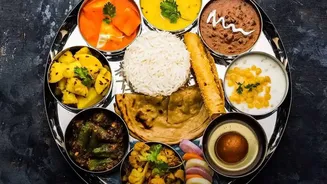
While you might leave with a handprinted scarf or a bottle of freshly harvested honey, the most lasting souvenir from this type of travel is the human connection. It's the shared laughter over a homecooked meal made from ingredients you helped pick that morning. It's listening to a weaver's family history as you sit by their loom. These experiences bridge the gap between tourist and local, fostering a sense of participation rather than observation. Many of these homestays are run by the host family with a deep sense of pride in their land and culture. They offer a direct way to support rural economies and help sustain agricultural and artisanal traditions that are often under threat in a fastmodernising world. By choosing a homestay, you are not just a guest; you become part of a story and a supporter of a local ecosystem.