



The Why Behind Water-Wise
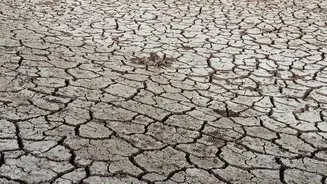
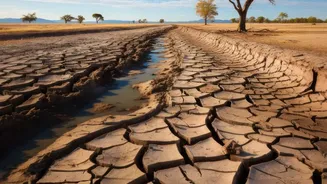
Traditional gardens, with their vast, thirsty lawns and delicate blooms, can consume a tremendous amount of water. In a country where many regions face acute water shortages, this approach is becoming increasingly unsustainable. Water-smart gardening,
also known as xeriscaping, presents a beautiful and practical alternative. The goal is to design a landscape that works in harmony with the local climate, not against it. This method can reduce outdoor water consumption by 50-75%, leading to significant savings on water bills. But the benefits go beyond conservation. These gardens are typically lower maintenance, requiring less mowing, fertilizing, and overall effort. By choosing native and climate-adapted plants, you also support local ecosystems, providing food and habitat for pollinators like bees and butterflies.
The Right Plants for a Thirsty Climate
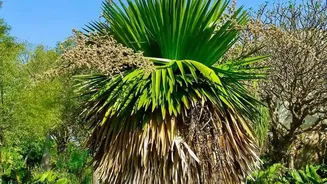
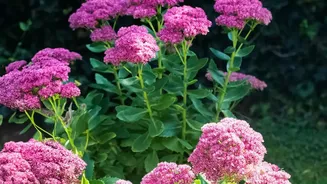
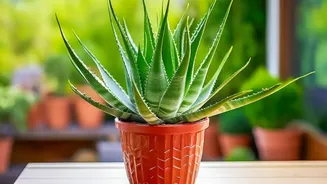
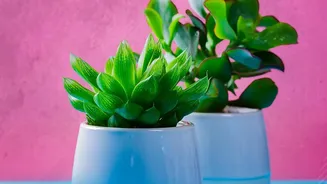
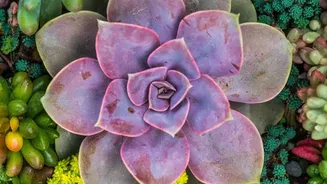
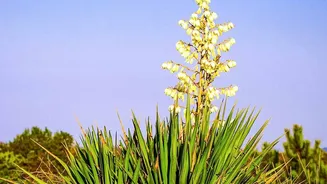
The cornerstone of any water-smart garden is plant selection. Choosing species that are naturally adapted to India's diverse and often harsh climates is essential. Look for native and drought-tolerant varieties that thrive with minimal irrigation once established. Popular choices that offer vibrant colour and texture include Bougainvillea, with its brilliant bracts, and the hardy Lantana. Succulents like Aloe Vera and Agave are excellent for their sculptural forms and minimal water needs. Flowering plants like Zinnia and Portulaca (Moss Rose) provide cheerful summer blooms without demanding constant watering. A key strategy is to group plants together according to their water needs, a practice called 'hydrozoning'. This ensures that thirstier plants aren't mixed with those that prefer dry conditions, allowing you to water each zone more efficiently.
Building a Foundation of Healthy Soil
Healthy soil is the foundation of a resilient, water-wise garden. Soil that is rich in organic matter acts like a sponge, absorbing and retaining moisture for longer periods. Before planting, work a generous amount of compost into your garden beds. This not only improves water retention but also enhances soil structure, allowing plant roots to grow deeper and stronger, making them more drought-resistant. Another critical component is mulching. Applying a 2-3 inch layer of organic mulch, such as wood chips, shredded leaves, or straw, over the soil surface works wonders. Mulch shields the soil from the sun, dramatically reducing water evaporation. It also suppresses weed growth, which means less competition for water and nutrients for your plants. As the organic mulch breaks down, it further enriches the soil.
Smarter Watering Strategies
How and when you water is just as important as what you plant. The most efficient method for a water-smart garden is a drip irrigation system. These systems deliver water slowly and directly to the base of the plants, right at the root zone. This minimizes water loss from evaporation or runoff and can be up to 95-100% water-use efficient compared to traditional sprinklers. Home garden drip irrigation kits are widely available in India and are relatively easy to install. If you are watering by hand, do so early in the morning or late in the evening when cooler temperatures reduce evaporation. The key is to water deeply but less frequently. This encourages plants to develop deep root systems, making them more resilient during dry spells. Instead of a daily light sprinkle, a thorough soaking once or twice a week is often more effective.
Designing for Water Conservation
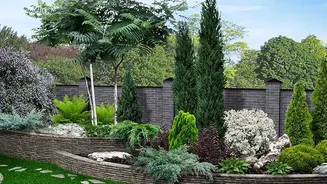
Thoughtful design can significantly reduce your garden's thirst. Consider reducing the size of your lawn, as turf is one of the most water-intensive elements of a traditional landscape. Replace unused lawn areas with beds of drought-tolerant groundcovers, perennials, or attractive hardscaping elements like gravel paths or a small patio. These materials don't require any water and can add structure and visual interest to your garden. Creating dense plantings also helps; grouping plants closely together shades the soil, acting as a living mulch to reduce evaporation. If your garden is on a slope, consider creating terraces. Terracing slows down water runoff during heavy rains, allowing it to soak into the soil instead of washing away.