




The Capsule Concept for the Trail
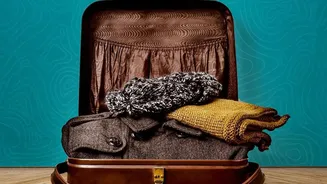
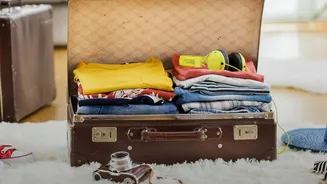
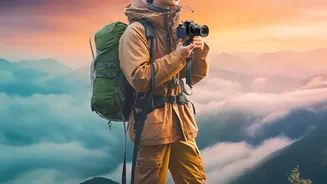
Capsule packing isn't just for city travel; it's a game-changer for the outdoors. The goal is to pack a small collection of versatile items that work together, eliminating redundant gear and saving precious weight and space. For a mountain trip, this
means every piece of clothing and equipment should serve multiple purposes or be an absolute necessity. Instead of packing separate outfits for every day, you pack a system of layers that can be combined to handle any weather condition. This philosophy extends to all your gear, from your cook set to your sleeping system, forcing you to choose lightweight, multi-functional options. The result is a lighter pack, which leads to a more enjoyable and less strenuous trek.
Your Five-Day Clothing Capsule
Clothing is where capsule packing shines. The key is a layering system: a base layer to wick moisture, a mid-layer for insulation, and an outer shell for wind and rain protection. For a five-day trip, your capsule should include one or two moisture-wicking base layer tops (merino wool is excellent for temperature regulation and resisting odor), a long-sleeve mid-layer like a fleece sweater, and a packable insulated jacket (down or synthetic). For bottoms, a single pair of durable hiking pants or convertible pants often suffices, supplemented by a pair of leggings for sleeping or extra warmth. Add three to four pairs of quality wool socks, a sun hat, a warm beanie, and you have a complete system. Every item should be made of quick-drying material. Darker colors are also practical for hiding dirt.
Essential Gear and Shelter
Beyond clothes, your main gear—often called the "Big Three"—includes your backpack, shelter, and sleep system. Your backpack should be large enough (typically 40-60 litres for a 5-day trip) but not so big that you're tempted to overfill it. Your shelter (a lightweight tent) and sleep system (a sleeping bag and pad) should be chosen based on the expected nighttime temperatures. Other non-negotiables include the "Ten Essentials": navigation tools (map, compass, or GPS), a headlamp with extra batteries, sun protection, a first-aid kit, a knife or multi-tool, a fire starter, an emergency shelter (like a bivy), and extra food and water. A water filter or purification tablets are critical for replenishing your supply safely.
Food and Hydration Strategy
For five days, food and water represent a significant portion of your pack's weight. Plan for about 1.5 to 2.5 pounds of food per person per day, focusing on high-energy, lightweight options like dehydrated meals, nuts, energy bars, and jerky. Repackage everything from bulky cardboard boxes into resealable plastic bags to save space and reduce waste. Carry at least two litres of water capacity, such as a hydration reservoir and a backup bottle. Knowing you can filter more water along your route is key to not having to carry all five days' worth at once. A small, lightweight stove and a single pot are usually sufficient for cooking.
The Art of Packing: Weight Distribution
How you pack is as important as what you pack. Proper weight distribution makes a heavy load feel more manageable. The general rule is to keep the total pack weight under 20-25% of your body weight. Pack your backpack in three zones. The bottom zone is for bulky but lightweight items you won't need until camp, like your sleeping bag. The middle zone, close to your spine and between your shoulder blades, is for your heaviest items: your food bag, water reservoir, and cook set. This keeps the center of gravity high and close to your back, improving balance. The top zone is for essentials you might need during the day, such as your rain jacket, snacks, and first-aid kit. Using stuff sacks or packing cubes helps keep everything organized and compressed.