







The Power of Nitrates
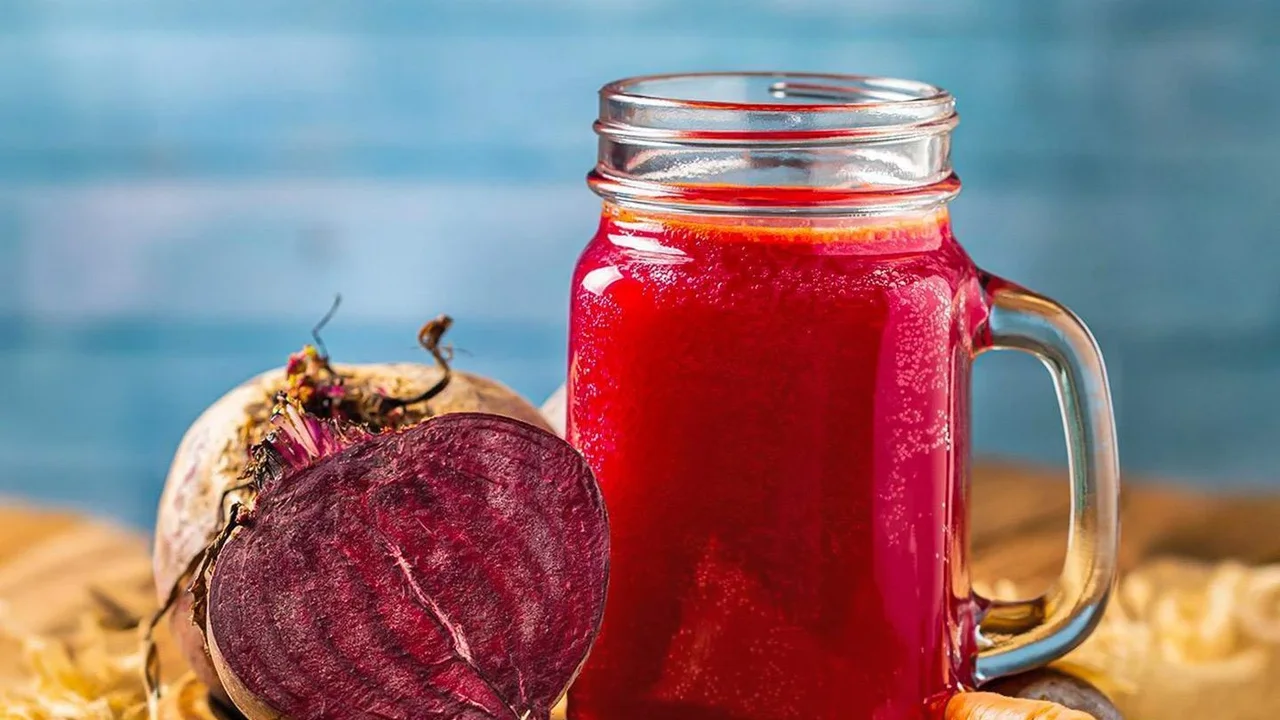
The secret to beetroot's athletic prowess lies in its high concentration of inorganic nitrates. When you consume nitrate-rich foods like beetroot or leafy greens, a fascinating chain reaction begins. Bacteria in your mouth convert these nitrates (NO3−)
into nitrites (NO2−). This nitrite then circulates in your bloodstream and, particularly in low-oxygen conditions like intense exercise, is converted into nitric oxide (NO). Nitric oxide is a powerful vasodilator, meaning it relaxes and widens your blood vessels. This process is crucial for athletes as it enhances blood flow, allowing more oxygen and nutrients to be delivered to hard-working muscles.
From Endurance to Explosive Speed
For years, the benefits of beetroot juice were primarily associated with endurance sports. By reducing the oxygen cost of exercise, it helps athletes go further for longer. However, recent research has shifted focus to its potential impact on high-intensity, short-duration activities like sprinting. The theory is that nitric oxide doesn't just improve oxygen delivery; it may also enhance the function of fast-twitch muscle fibers, which are critical for generating the explosive power needed for sprinting. A 2023 meta-analysis found that dietary nitrate supplementation provided small but positive effects on outcomes like mean power output and the time taken to reach peak power, which are vital in sprint events. This suggests nitrates can help muscles contract more forcefully and efficiently during all-out efforts.
What 'Micro-Dosing' Means for Athletes
The term 'micro-dosing' in this context doesn't refer to the popular understanding linked with other substances. Instead, it describes a strategic supplementation protocol. Rather than just taking a single large dose, athletes may benefit from a 'loading' phase. This involves consuming a consistent, moderate amount of nitrates for several days leading up to a competition. Studies suggest a daily intake of 400-800mg of nitrates for three to five days can significantly improve performance in sprint-based exercise. This loading strategy helps build up the body's nitrate and nitrite stores, ensuring they are readily available for conversion to nitric oxide when needed. A 'top-up' dose is then often taken about two to three hours before the event to ensure plasma nitrite levels are at their peak during the race.
Dosage and Timing Are Everything
To achieve a meaningful performance benefit, the dosage and timing are critical. Research consistently points to an effective dose of around 350-500mg of nitrate, which can be found in about 500ml of regular beetroot juice or in more concentrated 70ml 'shots' designed for athletes. Consuming this dose two to three hours before exercise is considered the optimal window. This allows enough time for the nitrate-to-nitrite-to-nitric-oxide conversion to take place, ensuring maximum nitric oxide availability during the high-intensity effort. Taking it too close to the start of a run means you miss this peak performance window entirely. It's also worth noting that more isn't always better; doses above 600mg often show diminishing returns and can increase the risk of gastrointestinal issues.
The Verdict: A Promising Edge
While the evidence for endurance athletes is robust, the picture for pure sprinters is still developing and sometimes mixed. Some studies have shown clear benefits in repeated sprint ability and power output, making it highly relevant for team sports and track cycling. Other research, specifically looking at single, short sprints like the 60m or 100m, has found no significant improvement with a single acute dose. The Australian Sports Commission notes that recent studies support nitrate's role in enhancing muscle power and sprint performance. Ultimately, dietary nitrates from beetroot present a promising, natural tool for athletes in high-intensity sports. The benefits appear most reliable for repeated high-intensity efforts and power output, though individual responses can vary.