







What is This Desert Miracle?
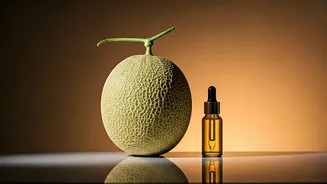
Meet Kalahari melon seed oil, also known by its scientific name, Citrullus lanatus. It’s a cold-pressed oil extracted from the seeds of a wild watermelon that thrives in the arid sands of Southern Africa. This isn't your average picnic watermelon; it's
a hardy, bitter ancestor that has adapted to survive extreme heat and drought. For generations, indigenous communities have used this golden-hued oil to moisturize and protect their skin from the harsh sun. Now, thanks to its impressive nutrient profile and sustainable story, it's gaining worldwide attention. Unlike heavier oils, it’s exceptionally lightweight, absorbs quickly, and has virtually no scent, making it a versatile addition to any skincare cabinet.
The Science of Survival Skincare
What makes an oil from a desert melon so special for the skin? The secret lies in its composition, which is a direct result of its resilient nature. Kalahari melon oil is incredibly rich in linoleic acid, an omega-6 essential fatty acid that can make up between 50% and 70% of the oil. Our bodies can't produce linoleic acid, yet it's a crucial building block for ceramides, which form the skin's protective barrier and help retain moisture. The oil is also packed with antioxidants, most notably a very high concentration of Vitamin E—in some cases five times more than argan oil—which helps protect the skin from environmental damage and signs of aging. This unique combination of fatty acids and potent antioxidants makes it remarkably stable and effective.
Top Benefits For Every Skin Type
One of the standout features of Kalahari melon oil is its suitability for nearly all skin types. Its lightweight texture provides deep hydration without clogging pores, making it non-comedogenic with a rating of 0-1. For those with oily or acne-prone skin, the high linoleic acid content is a game-changer. Research suggests that acne-prone skin is often deficient in linoleic acid, leading to thicker, pore-clogging sebum. By replenishing these levels, Kalahari melon oil can help balance oil production and reduce breakouts. For dry or mature skin, its rich supply of fatty acids and Vitamin E works to fortify the skin barrier, boost elasticity, and reduce the appearance of fine lines. Its anti-inflammatory properties can also help soothe redness and irritation, making it a great option for sensitive skin.
How To Use It In Your Routine
Incorporating this versatile oil is simple. You can use it as a standalone facial oil; just press a few drops onto clean, damp skin as the final step in your evening routine to lock in moisture. Because it absorbs so quickly without a greasy residue, it also works beautifully as a hydrating primer under makeup or sunscreen in the morning. Want to boost your current products? Mix a few drops into your favorite moisturizer or body lotion for an extra dose of nourishment. It's also an excellent oil for cleansing, effectively dissolving makeup, sunscreen, and excess sebum without stripping the skin. You can even use it on your hair to add shine and condition dry ends.
What to Look For When Buying
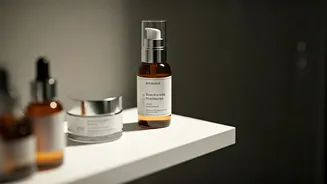
To get the most out of this ingredient, quality matters. Look for oils that are labeled "cold-pressed," which means the oil was extracted without heat, preserving its delicate nutrients and potent antioxidants. Opt for 100% pure oil, ideally from a certified organic and sustainable source. This not only ensures potency but also supports the communities that harvest the melons. You'll find it listed on ingredient labels as Citrullus Lanatus Seed Oil or Citrullus Vulgaris Seed Oil. While it's powerful on its own, it's also formulated into creams, serums, and cleansers. When in a blend, check its position on the ingredients list—the higher up it is, the higher the concentration.