




The Calorie Burn Question
When it comes to pure energy expenditure per minute, running typically has the edge. A person weighing around 70 kg can expect to burn approximately 690 calories during an hour of running at a moderate pace. In comparison, an hour of general dancing might
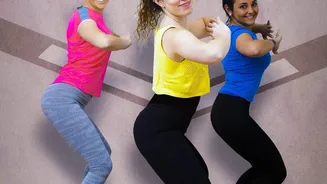
burn around 387 calories. However, the type of dance dramatically changes the equation. High-intensity styles like vigorous hip-hop, swing, or street dance can burn significantly more, with some estimates suggesting they can burn as many as 800-1000 calories per hour, potentially surpassing running. A Zumba class, for example, burns around 457 calories in an hour. Meanwhile, slower forms like ballroom dancing will burn fewer calories, closer to 200-300 per hour. So, while running is a highly efficient calorie-burner, a high-energy dance session can be just as effective, if not more so.
Intensity and Duration Matter
The total energy you use isn't just about what you do, but how long and how hard you do it. Running is a high-impact activity that elevates your heart rate quickly. You can burn a substantial number of calories in a short 30-minute run. Dance workouts, especially in a class format, often last longer—typically 60 to 90 minutes. This extended duration can lead to a significant total calorie burn, even if the per-minute rate is slightly lower than running. Furthermore, many dance styles naturally mimic interval training, with bursts of high-intensity movement followed by brief recovery periods. This can be incredibly effective for cardiovascular fitness. The key is to compare like with like: a leisurely jog is less intense than a power-packed salsa class, while a slow waltz doesn't compare to a sprint session.
A Full-Body Workout vs. Lower-Body Strength
Running is fantastic for building powerful leg muscles and is primarily a lower-body workout. Dancing, on the other hand, is often a true full-body workout. The variety of movements—twisting, turning, reaching, and jumping—engages your core, arms, back, and stabilizer muscles that running might miss. This not only contributes to overall muscle tone but also improves coordination, balance, and flexibility. While running strengthens bones through impact, certain dance styles are also considered highly effective for improving bone density and reducing the risk of osteoporosis. If your goal is a well-rounded fitness that improves agility and body awareness, dancing has a distinct advantage.
The Mental and Emotional Benefits
Exercise is a well-known mood booster, and both running and dancing deliver. Runners often speak of the 'runner's high,' a feeling of euphoria and reduced stress linked to the release of endocannabinoids in the brain. Running can be a meditative, solo activity that helps clear the head. Dancing offers similar psychological benefits, with studies showing it can reduce anxiety and depression. However, it adds other dimensions: the cognitive challenge of learning steps, the emotional expression through movement, and the social connection of a group class. Research from the University of Brighton even found that dancing can reduce feelings of fatigue and has an energising effect, similar to a runner's high. This social and fun aspect can be a powerful motivator.
Injury Risk and Sustainability
Every exercise carries some risk of injury. Running is a repetitive, high-impact activity, which can lead to overuse injuries like shin splints, runner's knee, and stress fractures if not managed with proper form and rest. Dancing can also lead to injuries, particularly in the feet and ankles from complex movements and landings. However, many forms of dancing are lower-impact than running because the movement is more varied and includes lateral and rotational motions, reducing the repetitive pounding on the same joints. Perhaps the most crucial factor is sustainability. The best workout is the one you will consistently do. For many, the fun, social, and expressive nature of dancing makes it easier to stick with long-term compared to the solitary grind of running.