




An Unlikely, Delicious Union
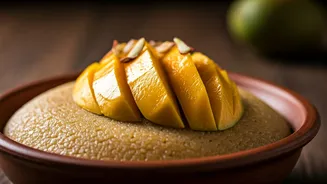
So, what exactly is this viral sensation? At its heart, Motichoor Tiramisu is a brilliant act of culinary diplomacy. It takes the soul of two vastly different, yet equally beloved, desserts and layers them together in a single glass or bowl. On one side,
you have the iconic Motichoor Laddoo—tiny, glistening pearls of fried gram flour (besan) soaked in sugar syrup, fragrant with cardamom and saffron, and bound together with ghee. On the other, the classic Italian Tiramisu—a sophisticated dessert meaning 'pick me up', made with coffee-soaked ladyfinger biscuits layered with a whipped mixture of eggs, sugar, and creamy mascarpone cheese, finished with a dusting of cocoa powder.
Deconstructing the Masterpiece
The magic of this fusion lies in how intelligently the components are re-imagined. Instead of ladyfingers, a layer of crumbled or whole Motichoor Laddoo forms the base. This provides a soft, granular, and syrupy foundation, replacing the cakey texture of the biscuits. The traditional coffee soak is often tweaked. Some creators use a light coffee or even a saffron-cardamom milk to moisten the laddoo layer, bridging the flavour gap between the two cultures. Above this Indian-inspired base sits the classic, ethereal layer of whipped mascarpone cream. The slight bitterness of the mascarpone and its rich, milky flavour cut through the sweetness of the laddoo, creating a perfect balance. The final dusting is sometimes cocoa, but often it’s garnished with crushed pistachios, almonds, or delicate saffron strands, nodding back to its Indian roots.
Why This, and Why Now?
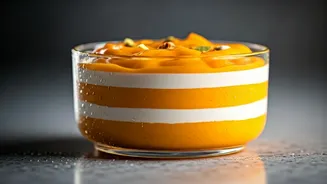
The rise of Motichoor Tiramisu isn't an accident; it’s a perfect storm of culinary trends. Firstly, it is incredibly visually appealing. Served in transparent glasses or jars, the distinct layers of orange-gold laddoo and stark white cream are made for Instagram and Pinterest. This 'Instagrammable' quality has been a huge driver of its virality, as home bakers, professional chefs, and food bloggers rush to create their own stunning versions. Secondly, the flavour profile is a masterclass in balance. The intense sweetness of the Motichoor is perfectly tempered by the light, airy, and mildly tangy mascarpone. It’s a texture and flavour journey in every spoonful—soft, creamy, granular, sweet, and rich all at once.
A New Wave of Indian Desserts
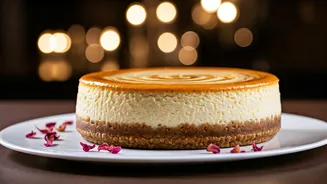
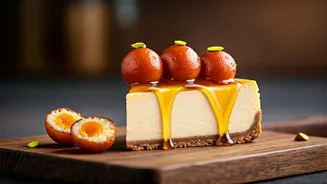
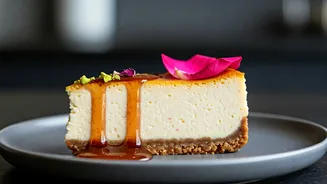
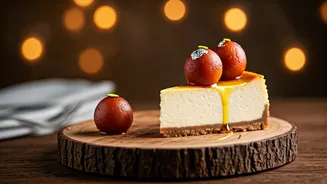
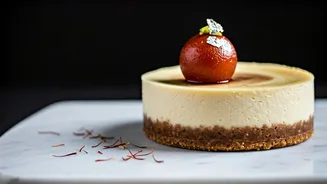
This trend is about more than just one dessert. It represents a broader movement in modern Indian cuisine, particularly during festive seasons like Diwali and Raksha Bandhan. Chefs and home cooks are growing more confident and playful, moving beyond traditional mithai to create 'mithai fusion'. We’ve seen Gulab Jamun Cheesecakes, Jalebi Cupcakes, and Rasmalai Tres Leches cakes gain popularity. These creations aren't about replacing the classics but celebrating them in new, exciting contexts. They reflect a globalised India that is proud of its culinary heritage but also open to international influences and techniques. The Motichoor Tiramisu is perhaps the most successful of this new generation because the pairing feels surprisingly natural and harmonious, not forced.