



Why Monsoon is Prime Tick Season
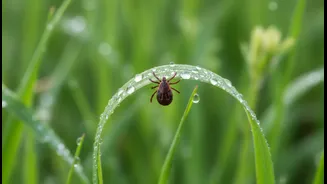
Ticks thrive in warm and humid conditions, and India's monsoon provides the ideal environment for them to multiply rapidly. The increased moisture in the air and dampness in grassy and wooded areas allow tick eggs to hatch and larvae to flourish. As vegetation
becomes overgrown, it creates perfect hiding spots for ticks to wait for a host—like your unsuspecting dog—to brush past. This combination of high humidity and abundant greenery means that every walk can become a high-risk activity, with tick populations exploding from June through September. Studies show a significant link between increased rainfall, high humidity, and a spike in tick abundance.
The Hidden Dangers: Tick-Borne Diseases
A tick bite is more than just an itchy nuisance; it can transmit serious and potentially fatal diseases. In India, the most common tick-borne illnesses in dogs are Ehrlichiosis and Babesiosis, often collectively called 'tick fever'. These diseases are caused by parasites that attack the dog's blood cells, leading to severe anaemia, fever, and organ damage if left untreated. Ehrlichiosis, transmitted by the common brown dog tick, attacks white blood cells. Babesiosis targets red blood cells, causing anaemia and jaundice. Symptoms for both can appear one to three weeks after a bite and often start with non-specific signs like fever, lethargy, and loss of appetite. Because these early signs can be easily missed, the disease can progress to a more dangerous stage.
A Three-Part Prevention Plan
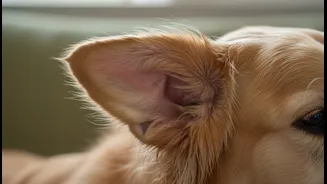
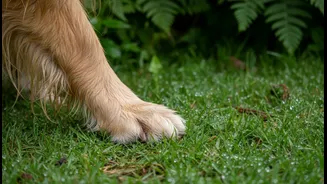
Prevention is the most effective strategy. Your plan should involve regular treatments, daily checks, and a clean environment. First, consult your veterinarian about a suitable preventive product. Options include monthly spot-on treatments, medicated collars, oral chewable tablets, and anti-tick shampoos. The best choice depends on your dog's breed, age, and lifestyle. Second, perform daily tick checks, especially after walks. Run your hands carefully over your dog's entire body, paying close attention to warm, hidden areas like in and behind the ears, between the toes, under the collar, in the armpits, and around the tail. Third, maintain a clean home environment. Wash your dog's bedding, blankets, and toys regularly in hot water. Keep your garden or lawn trimmed to reduce tick habitats.
Found a Tick? How to Remove It Safely
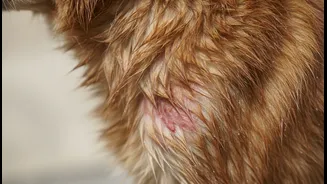
If you find a tick, it's crucial to remove it correctly to prevent infection. Never use your fingers to pull or crush the tick, as this can inject infectious material back into your dog. The recommended method is to use a pair of fine-pointed tweezers or a specialised tick removal tool. Part your dog's fur to get a clear view, grasp the tick as close to the skin as possible, and pull straight upward with slow, steady pressure. Avoid twisting or jerking, as this can cause the tick’s mouthparts to break off and remain in the skin. After removing the tick, clean the bite area with rubbing alcohol and wash your hands and the tool thoroughly.
When to Call the Veterinarian
While prevention and proper removal are key, you must know when to seek professional help. If you are unable to remove a tick completely, consult your vet. More importantly, watch for signs of tick fever, which can develop days or even weeks after a bite. See your veterinarian immediately if you notice symptoms like persistent lethargy, fever, loss of appetite, pale gums, dark-coloured urine, swollen lymph nodes, or any unusual bleeding, such as from the nose or gums. These are emergency signs that require urgent medical attention. Early diagnosis and treatment dramatically improve the chances of a full recovery.