




The Old Habit of Festive Feasting
For many, festive seasons in India are synonymous with food. Platters are laden with sweets, tables groan under the weight of rich curries, and social gatherings revolve around a near-constant offering of snacks. The unspoken rule is to indulge, to celebrate
with abundance. But this period of feasting is often followed by an equally intense period of repentance. The joy of the celebration gives way to feelings of guilt, shame, and a desperate need to “get back on track.” This is the binge-restrict cycle, a pattern where overeating triggers strict dieting, which in turn leads to intense cravings and another eventual binge. This cycle can be emotionally and physically taxing, creating anxiety around food and distorting the body’s natural hunger and fullness signals.
Enter Balanced Festive Eating
A new perspective is challenging this toxic routine: balanced festive eating. This approach isn't a diet; it’s a mindset rooted in mindfulness and intuition. It rejects the idea that foods are “good” or “bad” and instead gives you unconditional permission to eat what you enjoy without shame. The goal is not to avoid festive specialities, but to savour them. It’s about listening to your body, honouring your hunger, and respecting your fullness cues. Instead of eating until you’re uncomfortably full, you aim to eat until you are satisfied. This allows you to enjoy the social and cultural aspects of festive meals without the accompanying stress and guilt.
Why We’re Embracing Balance Now
The shift towards balanced eating is fuelled by a broader cultural move towards holistic wellness and mental health awareness. After years of exposure to restrictive diet culture, there's a growing recognition of its harms. People are tired of the food-related anxiety and are actively seeking a more sustainable and joyful relationship with what they eat. The principles of intuitive eating, which encourage you to trust your body's wisdom, have gained significant traction. This is about rejecting the external food police—the diet plans and calorie counters—and instead tuning into your own internal cues. It's a form of self-care that prioritises feeling good over looking a certain way, a message that resonates deeply in today's world.
How to Practice Mindful Indulgence
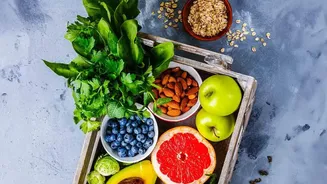
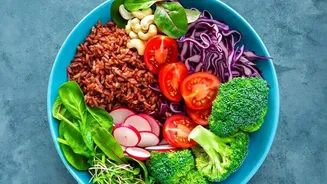
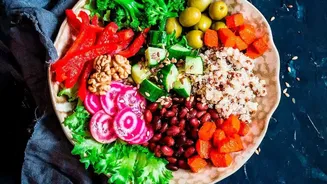
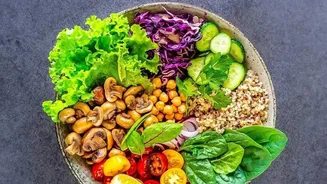
Putting balanced eating into practice doesn't require a rulebook, but a few mindful shifts can help. One key tip is to never arrive at a celebration starving; having a small, protein-rich snack beforehand can prevent you from overeating later. When you fill your plate, aim for balance: fill about half with vegetables or salad, a quarter with a protein source, and the final quarter with festive carbohydrates or your favourite rich dishes. Most importantly, slow down. Pay attention to the flavours, textures, and aromas of your food. Putting your fork down between bites gives your brain time to register fullness, helping you recognise when you've had enough. And remember to stay hydrated, as thirst can often be mistaken for hunger.
Redefining the Celebration
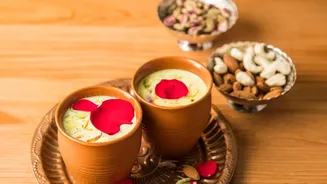
Ultimately, balanced eating helps re-centre the focus of festive occasions. It allows the emphasis to shift from a fixation on food to the joy of community, conversation, and connection. When you're not mentally cataloguing every bite or feeling anxious about what you “should” or “shouldn't” eat, you are free to be fully present in the moment. You can savour that one piece of mithai you truly love, enjoy the company of loved ones, and participate in traditions without a cloud of guilt. It's about adding to the experience, not taking away. By giving yourself grace and letting go of the all-or-nothing mindset, you can make the festive season a time of true nourishment for both body and soul.