




The App Fatigue Is Real
Let's be honest: the initial magic of having any restaurant at our fingertips has faded. What was once a thrilling convenience has often become a chore. We juggle surge pricing, confusing discounts, delivery fees, and the nagging guilt of ordering yet
another greasy, butter-laden curry. The promise of variety has morphed into a paradox of choice, where we spend more time deciding what to eat than actually enjoying it. Restaurant meals, designed for a one-time splash, are often too rich, too oily, and too inconsistent for daily consumption. This burnout has created the perfect opening for a return to something more grounded, predictable, and fundamentally nourishing.
Enter the Modern Tiffin Service
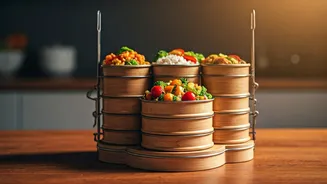
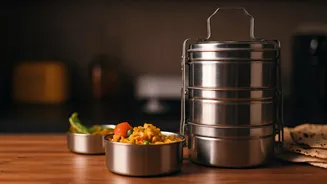
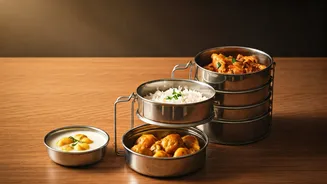
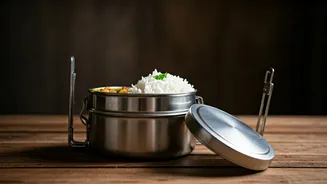
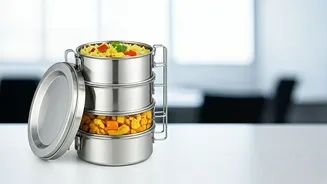
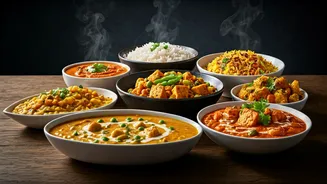
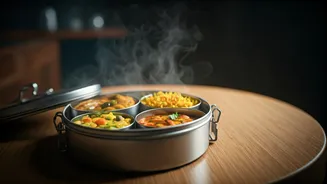
The concept of the tiffin, or dabba, is nothing new. It’s a cornerstone of Indian work culture, a symbol of a hot, home-cooked meal delivered with love. What’s trending now, however, is the evolution of this tradition. It's no longer just about a family member packing your lunch. Today’s tiffin services are run by a growing army of home chefs, small entrepreneurs, and community kitchens. They operate via WhatsApp, Instagram, or simple subscription websites, offering weekly or monthly meal plans. The model is simple: you get a set menu of dal, sabzi, roti, and rice, which changes daily. It’s the antithesis of the restaurant app — no decisions, no surprises, just wholesome food showing up at your door.
Health, Wealth, and Consistency
The appeal of the tiffin boom rests on three powerful pillars. First, health. Home-style cooking uses less oil, moderate spices, and balanced ingredients, making it ideal for everyday eating. It’s food that fuels you rather than putting you in a food coma. Second, wealth. A monthly tiffin subscription is almost always more economical than ordering from restaurants three or four times a week. With fixed costs and no hidden fees, it’s a budget-friendly solution for students, young professionals, and families alike. Finally, there's the unbeatable consistency. You know what you’re getting. The quality is reliable because the home chef’s reputation is built on it, creating a relationship of trust that transactional apps can’t replicate.
The Magic of ‘Ghar ka Khana’
Beyond the practical benefits lies the emotional core of this trend: the deep, cultural craving for ‘ghar ka khana’ (home-cooked food). In a fast-paced world, a simple meal of dal-chawal can feel like a warm hug. It connects us to a sense of comfort, care, and authenticity that mass-produced food can never match. Many home chefs specialise in regional cuisines, offering a taste of a specific community or hometown that you can't find in a generic multi-cuisine restaurant. This isn’t just a food delivery service; it’s a connection to a person and a story, served one dabba at a time.
How to Find Your Tiffin
So, how do you join the trend? Start local. Ask for recommendations in your neighbourhood WhatsApp or building society groups—word-of-mouth is still the most trusted method. Instagram is another goldmine; search for hashtags like #[YourCity]Tiffin or #HomeChef[YourCity]. Many services offer paid trial meals for a day or a week, which is the best way to check for taste, hygiene, portion size, and delivery timeliness before committing to a monthly plan. Don’t be afraid to communicate your preferences, whether it’s less spice, no onion, or a request for more vegetables. The beauty of these services lies in their personal touch.