





The Rise of Radical Rest
For decades, a successful holiday was measured by a packed itinerary: a blur of monuments, museums, and must-do activities. But for a growing number of young Indians, the new travel luxury is an empty schedule. This isn't about laziness; it's a conscious
choice. Known as 'slow travel' or echoing the Dutch concept of 'niksen' (the art of doing nothing), this trend prioritises deep rest over frantic sightseeing. It involves picking a single, quiet location and staying put. The goal is to swap the 'Fear Of Missing Out' (FOMO) for the 'Joy Of Missing Out' (JOMO), where the ultimate experience is permission to be unproductive. According to a recent Airbnb report, two in three young Indian travellers now say they travel with the explicit intention of doing nothing at all.
A Reaction to Peak Burnout
This shift isn’t happening in a vacuum. It is a direct response to India’s high-pressure work culture. With grinding hours, constant digital connectivity, and blurred work-life boundaries, burnout has become a widespread issue. A Deloitte survey noted that approximately 70% of Indian Gen Zs and 64% of millennials report feeling stressed or anxious at work. As a result, travel is no longer seen as a mere indulgence but is crucial tool for mental well-being and recovery. Young professionals are actively seeking temporary exits to reset and recharge. The vacation is becoming less about creating a perfect social media post and more about genuine mental restoration.
The Anti-Itinerary Generation
Gen Z and younger millennials are leading this charge, earning them the label of the 'anti-itinerary' generation. For them, travel is becoming a more frequent and spontaneous habit, favouring multiple short breaks over one long annual holiday. Surveys show that seven in ten would rather take three short trips than one long one. This generation values personal and unique journeys over pre-planned, popular ones. As many as 95% of young travellers say it is important their trip feels personal, and 64% intentionally leave parts of their schedule open for spontaneity. Instead of chasing viral hotspots, they seek out undiscovered places and enjoy exploring local markets and neighbourhood spots.
What Does a 'Do Nothing' Trip Look Like?
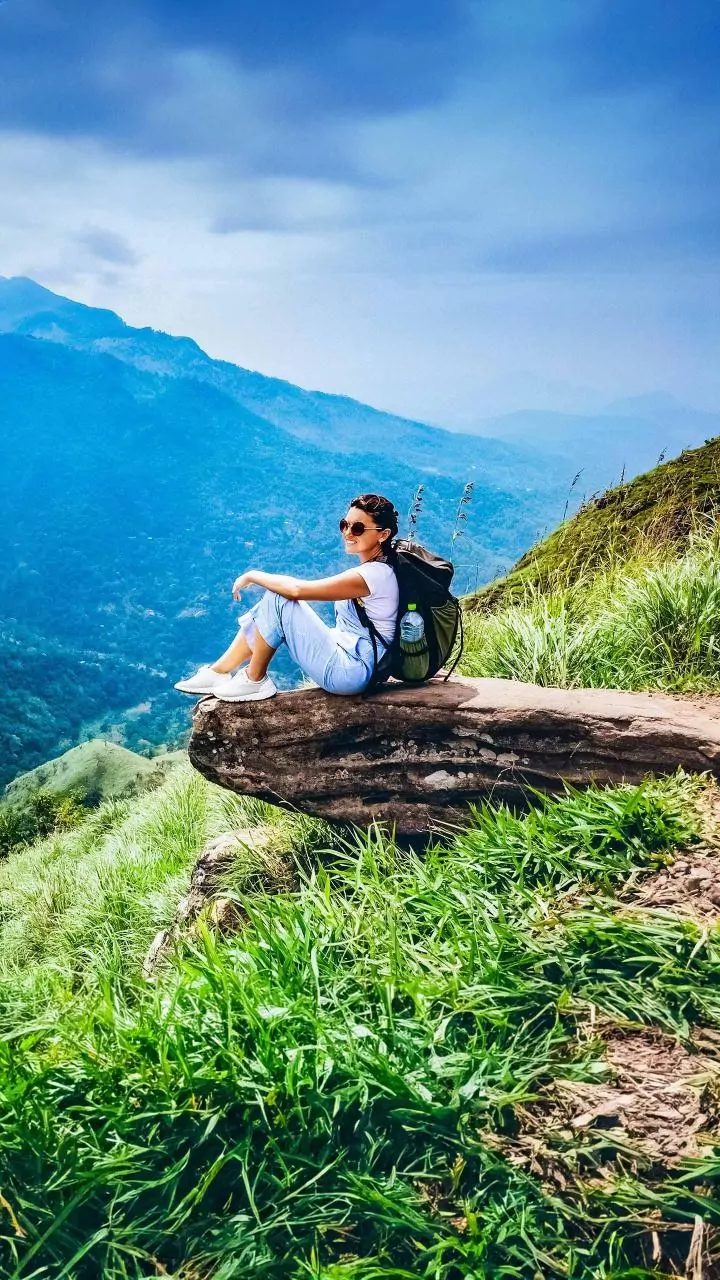
In practice, this trend takes many forms. It could mean renting a quiet homestay in the mountains of Himachal, a beach shack in Goa with no plans, or a villa in the Kerala backwaters. The focus is on the stay itself becoming the destination. Travellers are spending more time at their accommodation, looking for features like a balcony, a shared living area, and proximity to local life rather than a generic hotel checklist. It's about settling into a rhythm, whether that involves working remotely from a scenic café during the day and exploring local trails in the evening, or simply reading a book on a quiet porch. These trips are often spontaneous, with many booking just days or weeks in advance.
The Travel Industry is Taking Note
The travel and hospitality industry is adapting to this new demand. There is a growing interest in wellness retreats, digital detox holidays, and nature-based experiences. Homestay platforms and boutique hotels are highlighting features that cater to relaxation, not just tourism. Even the marketing has changed, with an emphasis on 'radical rest' and 'slow living'. Travel companies are seeing a rise in requests for trips with no Wi-Fi. This shift from selling a room to creating an ecosystem around the traveller's journey reflects a deeper change in what people value. Destinations that offer tranquillity and a break from routine are becoming increasingly popular.