




What Exactly is Hydroponics?
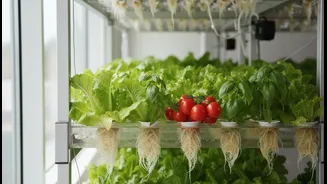
In simple terms, hydroponics is the art and science of growing plants without soil. Instead of digging through dirt to find what they need, plants get their nutrients directly from a water-based solution. Their roots are either suspended in this nutrient-rich
water or supported by a neutral medium like clay pebbles, perlite, or coco peat. This method strips gardening down to its essentials: water, nutrients, and light, allowing for a cleaner and more controlled growing process. It might sound futuristic, but it's a straightforward technique that is rapidly gaining popularity among urban gardeners.
The Small-Space Superstar
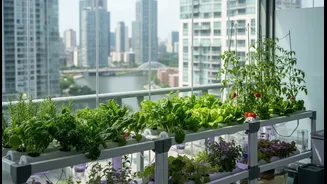
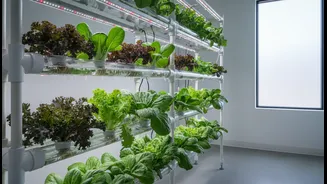
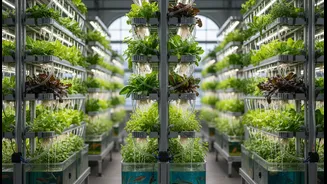
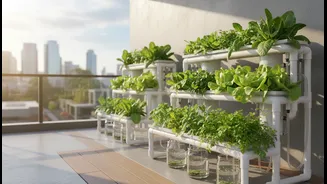
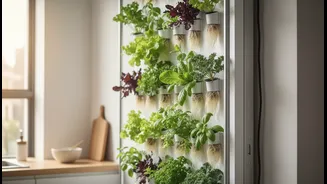
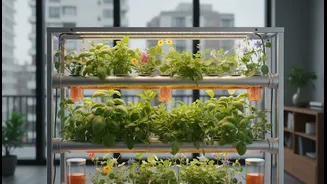
The biggest advantage for apartment renters is the incredible space efficiency. Traditional gardening requires large, heavy pots filled with soil. Hydroponic systems, however, are designed to be compact. Many popular setups are vertical, using upward space to grow multiple layers of plants in the same floor footprint as a single pot. A hydroponic tower garden, for example, can fit dozens of plants in just a few square feet. This means you can have a thriving garden in a small corner of your kitchen or living room, something unthinkable with conventional gardening.
Faster Growth, Higher Yields, Less Mess
Because nutrients are delivered directly to the roots, plants in a hydroponic system don't waste energy searching for food. This allows them to focus entirely on growth, often maturing much faster—sometimes 30-50% quicker—than their soil-grown counterparts. This also translates to more abundant harvests. Furthermore, without soil, you eliminate the biggest source of mess and pests in indoor gardening. There’s no dirt to spill, no soil-borne diseases to worry about, and far fewer unwelcome insects making their way into your home.
What Can You Grow in an Indian Kitchen?
The possibilities are exciting and perfectly suited for daily Indian cooking. Leafy greens are a great starting point for beginners. You can have a constant supply of fresh spinach (palak) and lettuce for salads and sandwiches. Herbs like coriander (dhania), mint (pudina), and basil grow exceptionally well and are staples in any kitchen. As you get more comfortable, you can even graduate to growing tomatoes, chillies, and bell peppers. Imagine snipping fresh, pesticide-free ingredients right from your own living room minutes before you cook.
Getting Started: What You Need
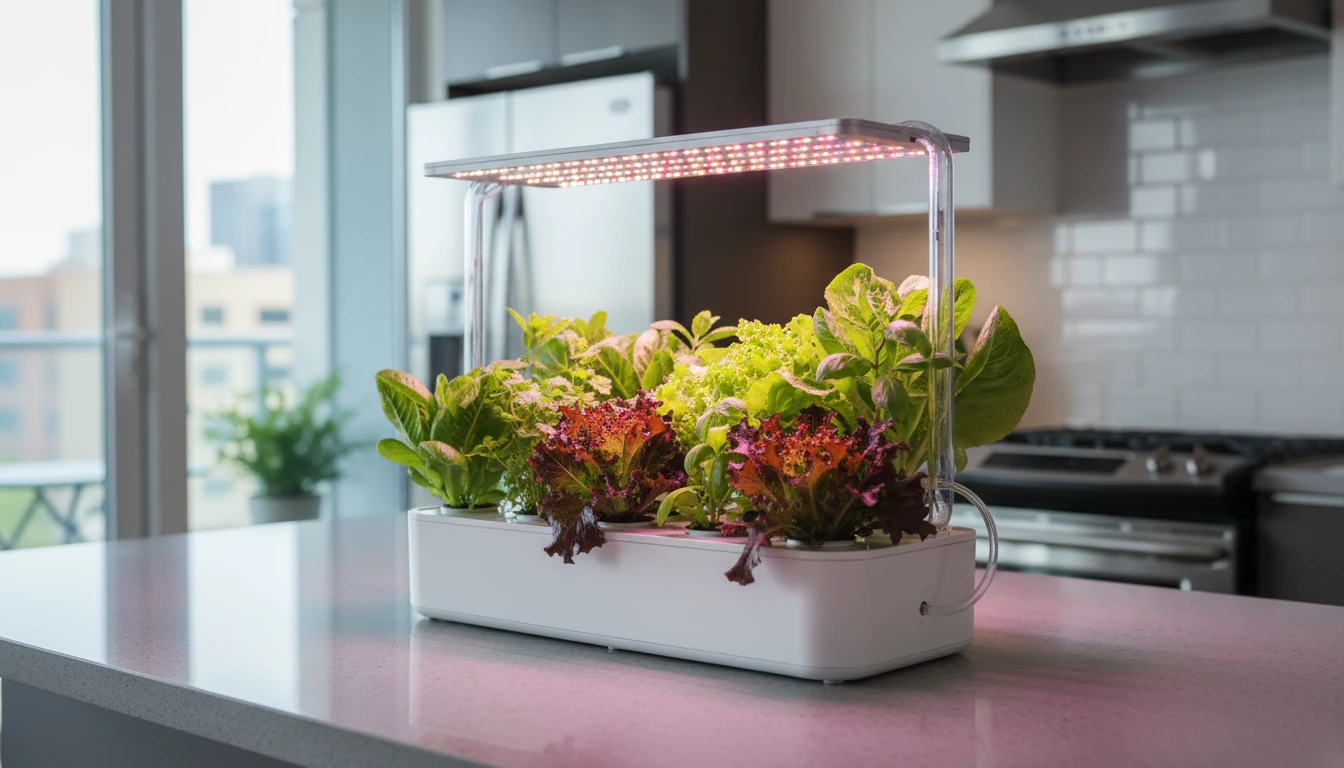
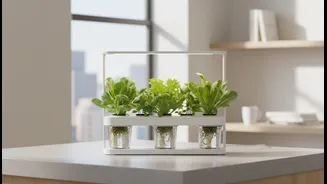
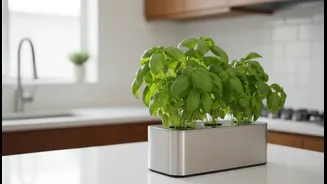
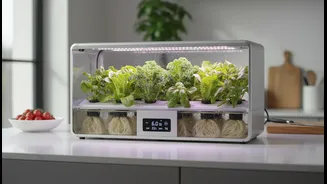
Starting with hydroponics is easier than ever. For absolute beginners, countertop all-in-one kits are a great entry point. These often come with everything you need, including the container, grow lights, and a starter pack of nutrients. There are several types of systems, from simple Deep Water Culture (DWC) setups to more advanced Nutrient Film Technique (NFT) channels. The basic components you will need are the system itself, a nutrient solution, a medium to support the plants, and if you don't have a very sunny spot, LED grow lights. The initial investment can range from a few thousand rupees for a basic home kit to more for larger, automated systems.
Is It a Perfect Solution?
While hydroponics is a fantastic solution, it's good to be aware of the realities. There is an initial setup cost, which can be higher than buying a few pots and soil. The system also relies on electricity for pumps and lights, which will be a recurring expense. You will also need to monitor things like the pH level and nutrient concentration of your water to ensure your plants are healthy. Problems like algae growth or nutrient imbalances can occur, but are often easy to fix once you learn the basics. It requires a little more learning than traditional gardening at the start, but the rewards are well worth the effort.