



What Exactly is Animal Flow?
Forget treadmills and dumbbells for a moment. Animal Flow is a ground-based, bodyweight fitness system that blends elements from various disciplines, including gymnastics, parkour, and even breakdancing. Created by fitness innovator Mike Fitch, the practice
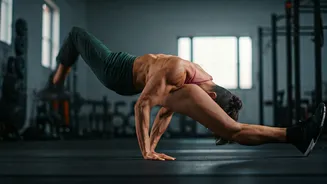
is built around a series of movements and combinations designed to improve strength, flexibility, mobility, and coordination. Unlike yoga, which often involves holding static poses, Animal Flow is all about movement—seamlessly transitioning from one position to the next in a continuous, graceful 'flow.' The movements have evocative names like the 'Ape,' 'Beast,' and 'Crab,' each designed to engage multiple muscle groups and challenge the body in new ways.
Why The Sudden Outdoor Surge?
The shift towards outdoor Animal Flow isn't accidental. It represents a confluence of post-pandemic trends and a growing fatigue with conventional fitness. After years of being confined to indoor spaces, there's a collective desire for fresh air and a connection to nature. Parks and open spaces offer an un-sanitised, unpredictable environment that feels more liberating than the four walls of a gym. For many young fitness enthusiasts, the appeal lies in this very freedom. It’s a workout that doesn’t require expensive equipment or a monthly membership. All you need is your body and a patch of ground, turning the entire city into a potential playground. This low barrier to entry, combined with the visual appeal of flowing movements under the open sky, has made it incredibly popular on social media, further fuelling its growth.
Unleash Your Inner Animal
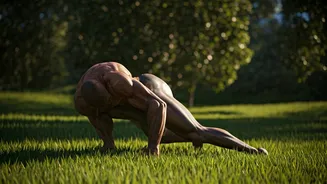
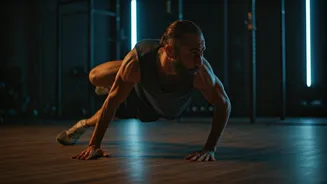
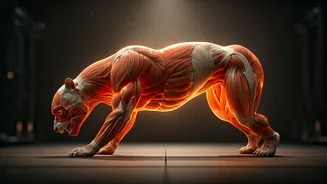
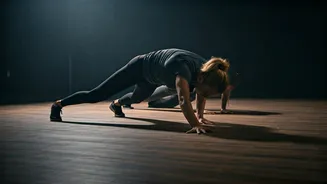
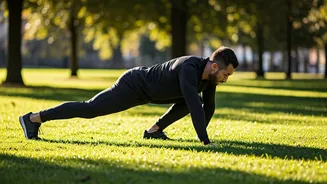
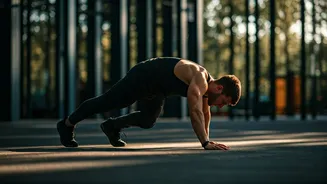
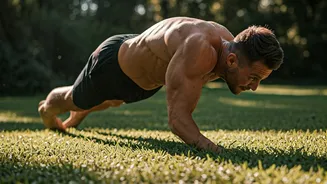
At the heart of the practice are its unique 'form-specific' movements. A typical session starts with wrist mobilisations—essential for any ground-based work—before moving into activations to 'wake up' the correct muscles. Then comes the core of the workout. You might find yourself in a 'Loaded Beast,' a deep squatting position similar to a predator ready to pounce, before exploding into a 'Forward-Traveling Ape,' using your arms to swing your body forward. One of the most iconic moves is the 'Crab Reach,' where you transition from a crab-walk position to open up your chest and spine in a fluid backbend. These aren't just random exercises; they are designed to be linked together into 'flows,' creating a dance-like sequence that is both a physical and mental challenge.
The Benefits Go Beyond Strength
While you will undoubtedly build serious functional strength in your core, shoulders, and legs, the benefits of Animal Flow are far more holistic. The constant connection with the ground enhances proprioception—your body's awareness of itself in space. The multi-directional movements improve joint mobility and stability, helping to undo the damage of sitting at a desk all day. Many practitioners report a meditative quality to the practice. Concentrating on the flow and the transitions requires complete focus, pushing out distractions and creating a state of 'moving meditation.' It re-teaches the body to move as an integrated system, improving overall athleticism and reducing the risk of injury in other activities, from running to weightlifting.
Is It for Everyone?
The sight of someone effortlessly flowing through complex movements can be intimidating, but Animal Flow is designed to be scalable. Beginners start by mastering the individual components and basic positions (known as Level 1). The 'Beast' and 'Crab' forms are foundational, and simply learning to hold and move from these positions is a workout in itself. As your strength and coordination improve, you can progress to more complex transitions and longer flows. Many certified instructors offer introductory workshops, and there are countless online tutorials for those who want to dip their toes in. The key is to start slow, prioritise form over speed, and listen to your body, especially your wrists.