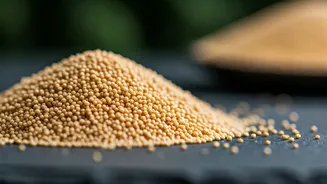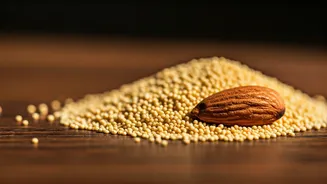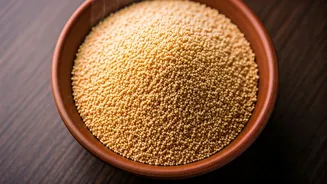







Meet Amaranth, The Humble Powerhouse
You probably know amaranth by its local names, 'rajgira' or 'ramdana'. For generations, it has been a staple during fasting periods ('vrat'), prized for its purity and energy-giving properties. But this tiny, ancient grain is shedding its occasional-food
status and stepping into the spotlight as a modern superfood. Native to the Americas but cultivated in India for centuries, amaranth is not technically a cereal grain like wheat or rice. It's a 'pseudo-cereal', belonging to a family of plants that includes spinach and beetroot. This gluten-free powerhouse is packed with a complete protein profile, fibre, and essential minerals, making it a fantastic addition to any diet, not just on fasting days.
The Iron Advantage in Every Spoonful
One of amaranth's most significant nutritional claims to fame is its impressive iron content. Iron is a critical mineral that helps produce haemoglobin, the protein in red blood cells that carries oxygen throughout your body. A deficiency can lead to fatigue, weakness, and poor concentration—symptoms that are all too common in our fast-paced lives. A single cooked cup of amaranth can provide a substantial portion of your daily iron requirement, making it one of the most potent plant-based sources available. It's important to note this is non-heme iron, which is absorbed differently from the iron in meat. To enhance absorption, simply pair your amaranth dish with a source of Vitamin C—a squeeze of lemon juice, a side of bell peppers, or some chopped tomatoes will do the trick. While not a magic bullet, consistently including amaranth in your meals is a simple, effective strategy to help keep your iron levels topped up.
Why Steaming is a Game-Changer
If you've ever tried to cook amaranth by simply boiling it, you may have ended up with a gummy, sticky porridge. While that's perfect for a morning cereal, it's not ideal if you want to use the grains as a substitute for rice or in a salad. This is where steaming comes in. Steaming amaranth is a revolutionary technique that transforms the tiny grains into a light, fluffy, and perfectly separated texture, similar to quinoa or couscous. This method gives you much more culinary versatility. Furthermore, steaming is a gentle cooking process. It helps preserve more of the water-soluble vitamins and delicate minerals, including B vitamins and iron, which can be lost when grains are boiled in and drained of excess water. You get better texture and better nutrition—a clear win-win.
Your Step-by-Step Steaming Guide
Mastering steamed amaranth is easy. You don't need fancy equipment; a simple pressure cooker (used without the weight) or a standard steamer will work perfectly. 1. **Rinse Thoroughly:** Start by placing one cup of amaranth grains in a fine-mesh sieve. Rinse under cold running water for about a minute, swishing the grains around to remove any natural saponins that can impart a bitter taste. 2. **Soak (Optional but Recommended):** For improved texture and digestibility, soak the rinsed grains in fresh water for at least 30 minutes, or even a few hours. Drain completely after soaking. 3. **Prepare for Steaming:** Transfer the drained amaranth to a flat, heat-proof steel container. Add 1.5 cups of water and a pinch of salt. The lower water ratio is key for a fluffy result. 4. **Steam to Perfection:** Place a stand in your pressure cooker and add about an inch of water at the bottom. Place your container of amaranth on the stand. Close the lid but **do not** put the whistle on. Steam on medium heat for 15-20 minutes. Alternatively, use a regular tiered steamer. 5. **Rest and Fluff:** Turn off the heat and let it rest for 10 minutes before opening the lid. The grains will have absorbed all the water. Gently fluff the steamed amaranth with a fork to separate the grains.
From Breakfast to Dinner: Serving Ideas
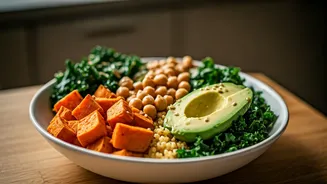
Once you have a batch of perfectly steamed amaranth, the possibilities are endless. Its mild, nutty flavour pairs well with both sweet and savoury ingredients. - **Savoury Breakfast Bowl:** Sauté mustard seeds, curry leaves, onions, and your favourite vegetables, then stir in the steamed amaranth for a quick, nutritious upma. - **Protein-Packed Lunch Salad:** Toss cold steamed amaranth with chopped cucumber, tomatoes, onions, fresh coriander, and a zesty lemon-tahini dressing for a refreshing and filling meal. - **Smart Rice Substitute:** Serve it alongside your favourite dal, sabzi, or curry. It soaks up gravies beautifully while adding an extra dose of protein and fibre. - **Healthy Filler:** Mix it into vegetable patties, tikkis, or lentil koftas. It acts as an excellent binding agent, replacing potatoes or breadcrumbs for a healthier twist.