

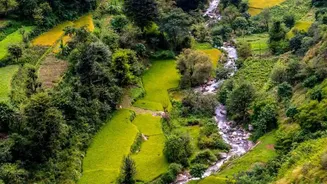
The Rise of Community-Led Tourism
The growing popularity of green getaways in the Northeast isn't just about pretty landscapes; it's a movement powered by local communities. Across states like Meghalaya, Sikkim, and Nagaland, community-based tourism is gaining significant ground. This
model puts local families at the heart of the travel experience, empowering them to run homestays, act as guides, and share their culture directly with visitors. By doing so, tourism revenue stays within the village, creating sustainable livelihoods and giving communities a direct stake in protecting their environment. State governments are also backing this trend. Meghalaya, for instance, has seen tourist arrivals grow to over 1.6 million, and its Homestay Scheme aims to add 3,000 new homestays by 2028, ensuring that growth benefits local families directly. This approach turns a holiday into a partnership, where travellers contribute positively to the places they visit.
Mawlynnong, Meghalaya: The Cleanest Village
Long before 'sustainability' became a buzzword, the village of Mawlynnong in Meghalaya was living it. Famously known as 'Asia's Cleanest Village,' this community in the East Khasi Hills is a prime example of successful eco-tourism. Cleanliness here is a collective responsibility and a way of life, with bamboo dustbins lining the immaculate pathways. The village's tourism is managed by the community, from the charming homestays run by local families to the guides who show you the incredible living root bridges. This model ensures that the economic benefits of tourism are distributed among the residents, providing a strong incentive to preserve both their culture and the surrounding forests. The experience for visitors is one of stepping into a world where nature and humanity exist in a beautifully maintained balance.
Sikkim: Pioneering Organic Hospitality
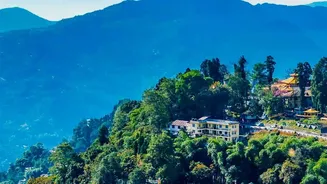
As India's first fully organic state, Sikkim has become a benchmark for sustainable travel. Its approach to tourism is deeply rooted in ecological preservation and community participation. Across the state, from Gangtok to smaller villages like Rinchenpong and Lachung, homestays are a popular choice for travellers seeking an authentic experience. Many of these are located on organic farms, where guests can enjoy meals made from fresh, farm-to-table produce and even take tours of cardamom or spice plantations. These homestays offer more than just a bed for the night; they provide a window into the local way of life, with hosts often arranging guided nature walks and sharing their cultural traditions. By choosing to stay in these community-run establishments, visitors directly support the local economy and the state's pioneering green initiatives.
Ziro Valley, Arunachal Pradesh: Culture and Conservation
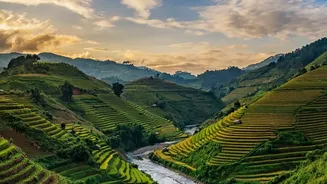
Nestled in the lower Subansiri district, Ziro Valley is a breathtaking landscape of lush rice paddies and pine-clad hills. It is home to the Apatani tribe, who are renowned for their unique sustainable farming and social forestry systems. This deep connection to the land makes Ziro a natural fit for ecotourism. While the annual Ziro Festival of Music has put the valley on the international map, a quieter, more immersive tourism is also taking root. Travellers are increasingly drawn to the homestays to learn about the Apatani way of life, their intricate weaving, and their agricultural practices. This form of travel offers a more intimate cultural exchange and ensures that the traditions and the delicate ecosystem of the valley are respected and preserved for future generations.
Nameri & Kaziranga, Assam: Wildlife with a Conscience
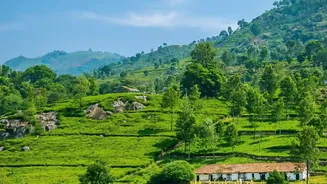
Assam, famous for its tea gardens and the one-horned rhinoceros, is also fostering a more conscious approach to its wildlife tourism. Beyond the traditional jeep safaris in Kaziranga National Park, community-run eco-camps and lodges are emerging as popular alternatives. Nameri National Park, for example, features the Potasali Eco-Camp, run by an angling association that provides opportunities for thrilling nature walks and river rafting while promoting conservation. These initiatives allow visitors to experience the region's incredible biodiversity—from elephants and tigers to rare birds—while ensuring their presence supports conservation efforts and provides livelihoods for people living on the park's fringes. It represents a shift from simply viewing wildlife to actively participating in its protection.