





The Real Cost of Wasted Food
Every year, Indian households contribute significantly to the nation's food waste, with estimates suggesting that each person wastes around 55 kg of food annually. This isn't just about the food that ends up in the bin; it's also about the wasted water,
energy, and labour that went into growing, transporting, and selling it. While much of India's food loss happens before it even reaches our homes, household waste is a piece of the puzzle we can directly control. The theme for World Food Day 2026, 'Innovate today. Nourish tomorrow,' encourages us to find creative solutions to build more sustainable food systems, and that innovation can start with how we manage our own refrigerators.
Meet Ingredient Prepping: Your New Kitchen Hack
Many of us are familiar with 'meal prep'—cooking entire meals for the week ahead. But its lesser-known cousin, 'ingredient prep,' offers more flexibility and is often more effective at reducing waste. Instead of cooking full dishes, you simply prepare the components. Think chopped onions, grated carrots, washed spinach, marinated paneer, or boiled dals. This approach allows you to mix and match ingredients to create different meals throughout the week, preventing the 'flavour fatigue' that can come with eating the same pre-cooked meal for days. When ingredients are prepped and ready to go, you are far more likely to use them before they spoil.
Your Weekly Ingredient Prep Blueprint
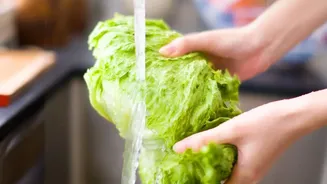
Adopting an ingredient prep routine is simple. First, plan a few meals you'd like to make during the week. Check your pantry and fridge to see what you already have, then create a shopping list for only what you need. This step alone prevents over-buying. Once home, dedicate an hour or two to prepping. Wash and chop your vegetables, cook a batch of grains like rice or quinoa, boil lentils, and marinate proteins. This small-time investment upfront saves immense time and mental energy on busy weeknights, making a home-cooked meal faster than ordering takeout.
The Rules of Safe and Smart Storage
To ensure your prepped ingredients stay fresh and safe, proper storage is crucial. Invest in good quality airtight containers—glass is excellent as it doesn't stain or retain odours, but high-quality BPA-free plastic is a great lightweight option. For vegetables prone to wilting, like leafy greens, place a paper towel in the container to absorb excess moisture. Store raw meat and poultry on the bottom shelf of the fridge to prevent any juices from dripping onto other foods. Follow the 'first in, first out' rule: place newly prepped items at the back and older ones at the front to ensure you use them in time. In India, where temperatures can be high, it's vital to keep cold foods below 5°C.
What to Prep and What to Wait On
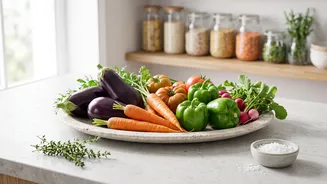
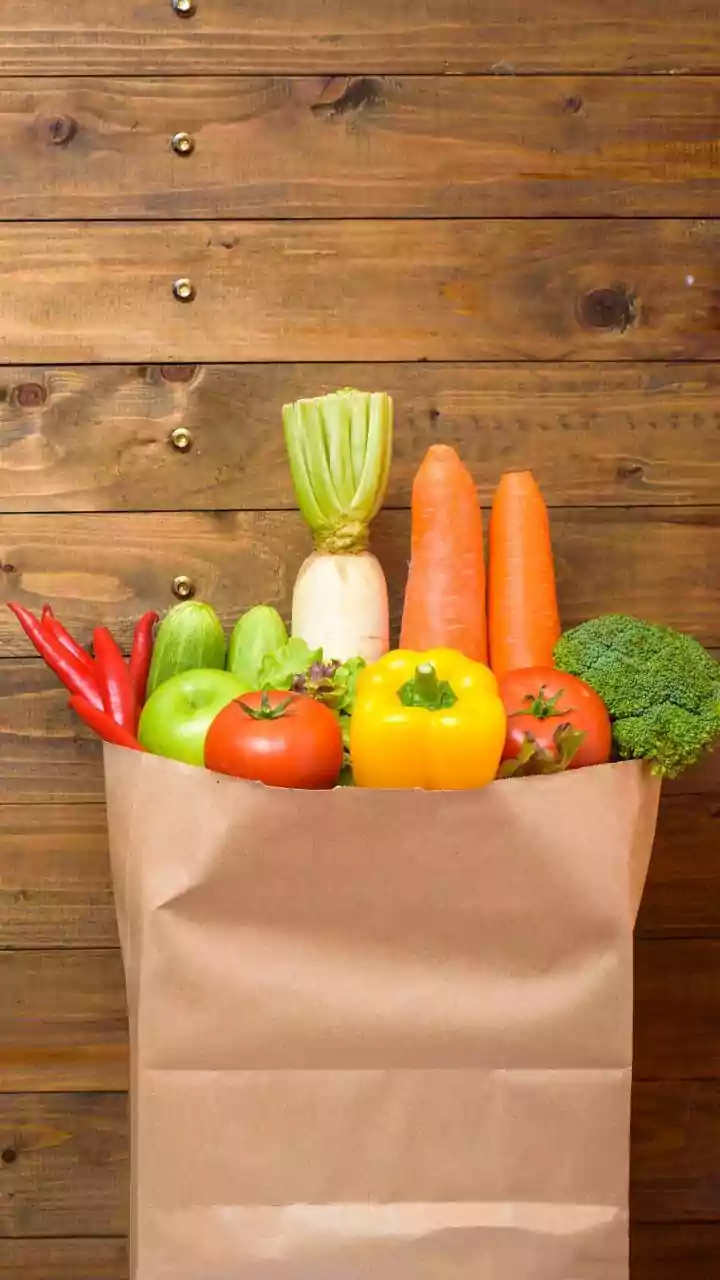
Not all ingredients are created equal when it comes to prepping. Hardy vegetables like carrots, onions, bell peppers, and cauliflower are perfect for chopping ahead. You can also make your ginger-garlic paste for the week. Leafy greens can be washed, dried thoroughly, and stored. Proteins like paneer and chicken can be cut and marinated. However, it's best to wait to cut ingredients that oxidise or become mushy quickly, such as apples, avocados, and tomatoes. For these, it's better to prep them just before cooking. Similarly, while you can boil dals, preparing the final tadka is best done fresh to preserve its flavour and aroma.