







From Ghee and Dahi to Greek Yogurt and Whey
For generations, the strength of India’s dairy market—the largest in the world—was built on the volume of milk it could produce and sell. Today, the focus is shifting dramatically from volume to value. Health-conscious consumers, particularly in urban
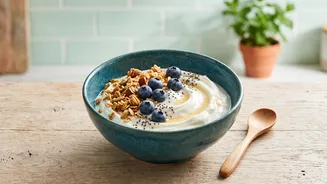
areas, are looking beyond basic nutrition and demanding products that offer specific benefits. This has opened the floodgates for new categories that were once considered niche. High-protein paneer now sits next to artisanal yogurt, while ready-to-drink protein coffees compete with traditional flavoured milk. Brands like Epigamia, Milky Mist, and even global players like Nestlé are offering thick, protein-rich Greek yogurts. Meanwhile, ready-to-drink shakes from brands like Yogabar and Epigamia deliver anywhere from 25 to 30 grams of protein in a single bottle, targeting everyone from gym-goers to busy professionals.
The Urban Fitness Revolution
The engine behind this transformation is India's growing protein consciousness and a broader cultural shift towards preventive wellness. A rising middle class, increased disposable income, and the pervasive influence of social media have made fitness and healthy living aspirational goals. This trend accelerated post-pandemic, creating a surge in demand for products that support muscle development, weight management, and overall well-being. Once confined to bodybuilding circles, protein is now a mainstream buzzword. Reports show that a significant percentage of Indians are now actively tracking their protein intake and are willing to pay a premium for protein-rich foods. This consumer pull is precisely what dairy companies are tapping into, moving protein from specialty sports nutrition stores to the local kirana and quick-commerce apps.
Dairy Giants Join the Fray
India’s legacy dairy cooperatives and large private players are not sitting on the sidelines. They are actively innovating to capture a piece of this lucrative market. Amul, a household name, has launched an extensive range of high-protein products, including protein-fortified milk, paneer, dahi, lassi, and even protein kulfi. Its protein shakes, offering 20 grams of whey protein per bottle, have become popular for their affordability. Similarly, Mother Dairy has introduced its own high-protein variants like 'Procurd' and 'Propaneer' and has plans to launch dozens of new products across its dairy portfolio. Other established companies like Heritage Foods and the Karnataka Milk Federation (Nandini) are also expanding into value-added offerings such as probiotic buttermilk, high-protein yogurt, and ghee with QR-based traceability, recognizing that the future lies in innovation.
Startups Seize the Opportunity
While the giants adapt, a new generation of startups has emerged, often building their entire brand identity around wellness and clean nutrition. Companies like Akshayakalpa Organic and Provilac are carving out a niche with high-protein fresh milk, using technologies like ultrafiltration to concentrate protein naturally while offering lactose-free and preservative-free options. These brands are effectively creating a new sub-category that sits between traditional dairy and processed protein supplements. They often use a direct-to-consumer (D2C) model with subscription-led cold-chain delivery, ensuring freshness and building a loyal customer base in major urban centres like Mumbai, Bengaluru, and Delhi NCR. This agile approach allows them to cater directly to the modern consumer's demand for transparency, convenience, and functional benefits.
Beyond the Product: A Fundamental Shift
This boom is more than just a marketing trend; it signifies a fundamental change in what Indian consumers expect from their food. The conversation is shifting from simple sustenance to functional nutrition. However, this rapid expansion is not without its challenges. While awareness is high, consumer understanding of protein quality and daily requirements can be muddled. There is a risk that consumers might over-rely on processed, marketed products rather than building balanced dietary habits. Furthermore, the higher cost of these value-added products currently limits their reach primarily to urban and upper-middle-class consumers. The next frontier for this growing market will be to balance innovation with affordability, making high-quality nutrition accessible to a broader segment of the population without sacrificing the very wellness benefits they promise.