







The Psychology of Invisible Spending
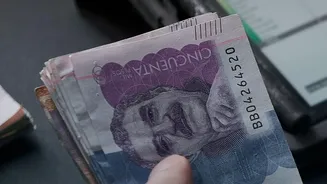
When you hand over a physical ten or fifty-rupee note, your brain registers the act of spending. There's a tangible sense of loss. Digital payments, however, remove this friction entirely. Psychologists refer to this as a reduced 'pain of paying'. Because
the transaction is instant and abstract—just numbers on a screen—it doesn't feel like real money is being spent. This lack of friction encourages more frequent and impulsive purchases. That quick samosa or packet of chips bought without a second thought feels insignificant at the moment, but this is a cognitive trap that millions fall into daily. The mind dismisses these small amounts, making it easy to lose track of the cumulative total until the end of the month.
The Convenience Trap: A Double-Edged Sword
UPI's greatest strength—its seamless convenience—is also its biggest risk to your budget. The entire system is designed for speed and ease, eliminating moments of pause where you might reconsider a purchase. Studies on consumer behaviour in India show that the widespread adoption of UPI has led to a significant increase in discretionary and impulse spending, particularly among younger users. When paying is as easy as a quick scan, the decision-making process is shortened. You're less likely to ask yourself, "Do I really need this?" This convenience fosters a 'tap and forget' mentality, where spending becomes a reflex rather than a conscious choice.
When Small Change Becomes a Big Problem
Let's do some simple math. Imagine you buy a cup of tea for ₹15 and a small snack for ₹25 on your way to and from work. That's ₹40 per day. It seems trivial. But over a month with 25 working days, that's already ₹1,000. Now add in a weekend treat, a quick purchase from a delivery app, or paying for an auto ride. Suddenly, these small, untracked expenses can easily balloon to ₹2,500, ₹4,000, or even more. One user on a forum reviewed their statement to find 52 small UPI transactions in a month, totalling over ₹19,000 on things like quick commerce, cabs, and food delivery that escaped their main budget. Because the spending is spread across dozens of tiny transactions, it’s hard to pinpoint the leak without a close inspection.
How to Regain Control of Your Digital Spends
The goal isn't to stop enjoying life's small pleasures, but to spend mindfully. The first step is awareness. Simply reviewing your UPI transaction history every week can be a powerful wake-up call. Another effective strategy is to create a separate 'spending' account. At the start of the month, transfer a fixed amount—your discretionary budget for snacks, travel, and fun—into this account and link your UPI to it exclusively. Once the money runs out, your spending automatically stops. For those who need more structure, budgeting apps can sync with your accounts and automatically categorise your UPI spends, giving you a clear visual breakdown of where your money is going. Some people even find success by occasionally reverting to cash for a week to re-sensitise themselves to the feeling of spending money.