







Meet Kokum, The Coastal Gem
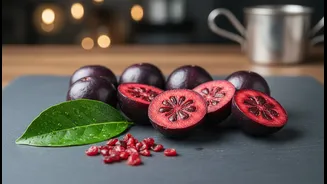
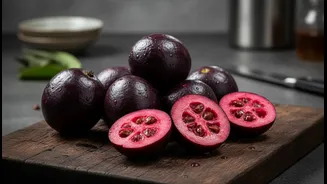
For generations, kokum has been a staple in the kitchens of India's western coast, particularly in Maharashtra, Goa, and Karnataka. Scientifically known as Garcinia indica, it's a small, reddish-purple fruit that belongs to the same family as the more
exotic mangosteen. Traditionally, the outer rind of the fruit is dried and used as a souring agent, imparting a distinct flavour and a beautiful rosy hue to dishes. You've likely tasted its unique tang in classic preparations like solkadhi, a soothing pink drink made with coconut milk, or in various fish curries where its acidity cuts through the richness. Unlike its more widespread counterpart, tamarind, which has a sharper tang, kokum offers a milder, more floral, and fruity sourness that doesn't overpower a dish. This subtle complexity is precisely why it’s now catching the eye of chefs far beyond its traditional home.
From Traditional Cooler to Cafe Staple
Long before it was a trendy ingredient, kokum was valued for its cooling properties, making kokum sherbet a go-to drink to beat the summer heat. Now, urban cafes are tapping into this tradition and giving it a modern twist. The natural tartness of kokum makes it an ideal base for refreshing beverages that require less sugar. Mixologists and baristas are moving beyond basic sherbet, creating sophisticated kokum-based coolers, cordials, and shrubs. It’s being paired with everything from botanical gins to smoky mezcals, offering a uniquely Indian sour note that is both complex and local. Even the specialty coffee scene has found a use for it; concentrated kokum syrup is being mixed with single-origin cold brews to create layered summer tonics where its plummy sourness balances the coffee's bitterness.
The Unlikely Pairing: Coastal Acidity in Ramen
Perhaps the most surprising new home for kokum is in a bowl of ramen. Progressive Asian kitchens are discovering the power of its clean acidity. Unlike tamarind, which can be heavy, or lemon, which is sharply citrusy, kokum provides a bright sourness that can slice through the rich, fatty, and umami-heavy broth of a traditional tonkotsu or miso ramen. By infusing the broth with dried kokum rinds, chefs are able to add a lighter, more layered finish to the dish, making it feel less heavy without sacrificing depth of flavour. This fusion is a perfect example of a broader trend in modern gastronomy: looking inward at hyper-local ingredients and finding innovative, cross-cultural applications for them.
Why Now? A Perfect Blend of Flavour and Wellness
Kokum's rise is not just about flavour; it's also perfectly aligned with today's focus on wellness and functional foods. The fruit is a powerhouse of antioxidants and is rich in compounds like garcinol and hydroxycitric acid (HCA). Traditionally, it has been used in Ayurvedic practices to aid digestion, reduce acidity, and as an anti-inflammatory agent. These properties make it a 'functional' ingredient, appealing to health-conscious consumers. As diners and chefs alike show a growing interest in sustainable, locally sourced ingredients with a rich history and health benefits, kokum checks all the boxes. It’s a testament to the renewed appreciation for India’s vast and diverse culinary heritage.