

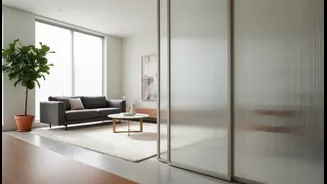
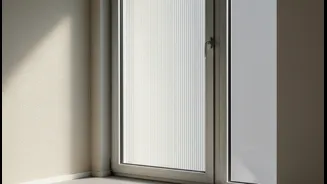
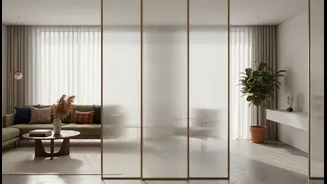


What Exactly Is Fluted Glass?
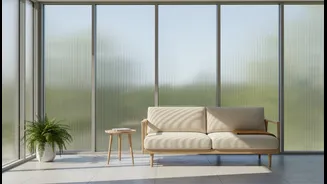
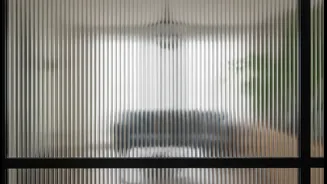
Fluted glass, also known as reeded or ribbed glass, is a type of textured glass with distinctive vertical grooves. This is not a new invention; its roots trace back to the Art Deco movement of the 1920s and 30s, but it's experiencing a major resurgence
in contemporary design. The process involves pressing semi-molten glass between rollers to create the grooved pattern. This texture gives the glass a decorative, almost sculptural quality, adding a layer of visual interest that plain glass lacks. Its revival is celebrated for its ability to blend vintage charm with a clean, modern aesthetic.
The Magic of Separation and Light
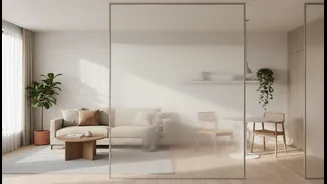
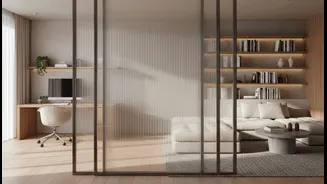
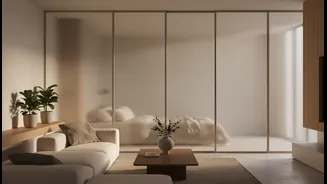
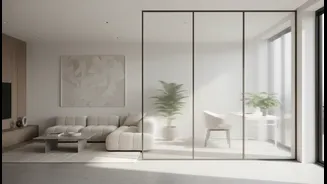
The primary appeal of fluted glass lies in its clever balance of privacy and light transmission. Unlike opaque walls that block light entirely, or clear glass that offers no privacy, fluted glass provides the best of both worlds. The vertical ridges distort the view, obscuring details and creating a sense of separation, making it perfect for sectioning off a home office or a kitchen area. Simultaneously, it allows natural light to flow through, preventing the divided spaces from feeling dark or cramped. The texture diffuses the light, reducing glare and casting soft, elegant patterns that enhance the room's ambiance. This effect can even make a space appear taller by drawing the eye upward.
Creating Zones Without Building Walls
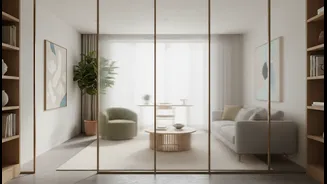
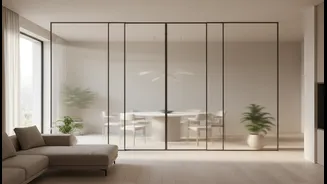
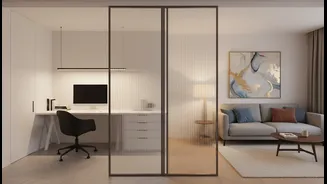
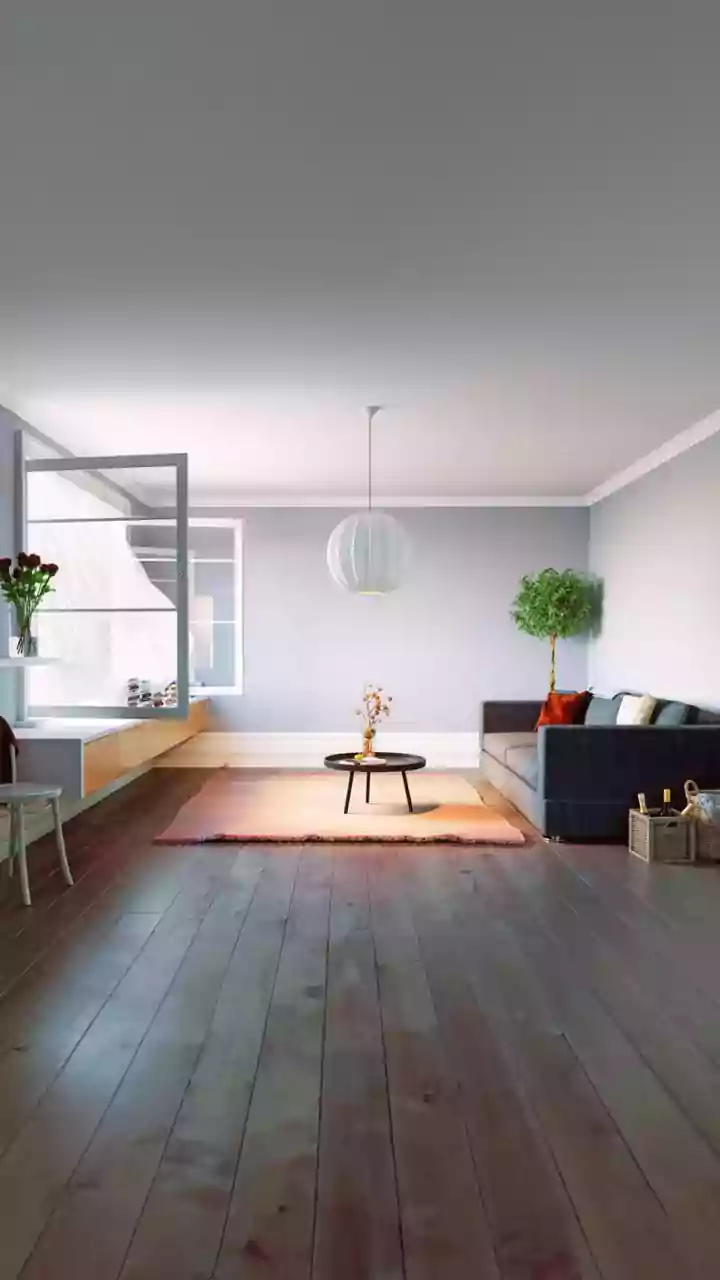
In compact urban apartments where every square foot matters, building solid walls is often not an option. This is where fluted glass partitions shine. They can be used to delineate specific zones within an open-plan living area, such as separating a dining nook from the main living space or cordoning off a messy service yard. Sliding or fixed panels are a popular choice for home offices, allowing you to visually close off your workspace at the end of the day while maintaining a connection to the rest of the home. The result is a more organised and functional layout that still feels open and spacious.
Creative Applications Beyond Partitions
The versatility of fluted glass extends far beyond simple room dividers. Designers are increasingly incorporating it into furniture and fixtures. Think kitchen cabinet doors that stylishly conceal clutter while keeping the space feeling light and airy. In bathrooms, fluted glass is a chic alternative for shower screens, offering privacy without sacrificing the feeling of openness. It also appears in wardrobe doors, lighting fixtures, and even as decorative wall panels that add texture and play with light. These smaller applications are an excellent way to introduce the trend into your home without committing to a large-scale installation.
What to Consider Before You Install
While beautiful, there are practical aspects to consider. Fluted glass can be paired with various frame materials, such as sleek black or brass-finished steel, to match your decor. Cleaning is straightforward but requires a bit more effort than flat glass; a microfibre cloth run along the grooves is usually effective. Cost can vary significantly based on thickness, brand, and whether the glass is tempered or laminated for safety. While DIY options like stick-on panels exist for smaller projects, larger installations like partitions are best handled by professionals to ensure a perfect fit and finish.