





Reframe Your Mindset
First, let go of the all-or-nothing approach. The festive season is a time for enjoyment, not a fitness test. It's okay if your routine changes. Instead of aiming for personal bests, focus on consistency and maintenance. Success during this period means
keeping a steady rhythm, not pushing for peak performance. Enjoying the social and cultural aspects of gatherings is just as important for your well-being. The goal is to integrate movement into the season, not to let it cause stress or guilt. Acknowledging that your routine will be different is the first step toward successfully navigating it.
Embrace Short, Intense Workouts
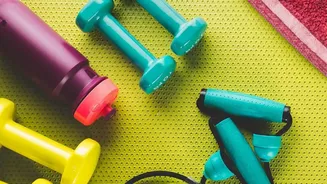
When your schedule is packed, efficiency is key. Long workouts might not be feasible, but that doesn't mean you should skip exercise altogether. Short bursts of activity, even just 15-20 minutes, can be incredibly effective. High-Intensity Interval Training (HIIT) is perfect for this. A simple HIIT circuit could involve alternating between 30 seconds of an exercise like jumping jacks, squats, or push-ups, followed by a short rest. Another great option is Tabata, a specific type of HIIT involving 20 seconds of maximum effort followed by 10 seconds of rest, repeated for four minutes. These workouts boost your heart rate and metabolism quickly, making them ideal for squeezing in between festive preparations.
Schedule Movement Like an Appointment
During busy times, what isn't scheduled often doesn't happen. Treat your workouts like non-negotiable appointments. Look at your weekly calendar, identify all your social commitments, and then block out specific, realistic times for exercise. It could be a 20-minute bodyweight circuit in the morning before anyone else is awake or a brisk walk during your lunch break. By putting it in your calendar, you are prioritising your health and making it a concrete part of your day, rather than something you'll 'get to if you have time'.
Make Fitness a Social Affair
Combine your fitness goals with social time. Instead of centering every get-together around food and drink, suggest active traditions. Plan a family walk to look at festive lights, organize a friendly game of cricket or badminton in the park, or go for a hike. Even something as simple as a post-meal stroll with relatives helps you stay active while connecting with loved ones. You can also host a short workout or dance session with friends before heading out to a party. This reframes exercise as a fun, shared experience rather than a solitary chore.
Eat Mindfully, Not Restrictively
Festive food is a huge part of the celebration, and you shouldn't feel you have to miss out. The key is mindful indulgence. Don't arrive at a party completely famished, as this often leads to overeating. Have a small, protein-rich snack beforehand to curb your hunger. At the gathering, survey the options and choose the foods you'll truly enjoy, rather than mindlessly grazing. Fill half your plate with vegetables and lean proteins first, then add smaller portions of richer dishes. Most importantly, savour each bite. Eating slowly helps you appreciate your food and gives your brain time to register when you are full.
Stay Hydrated
It's a simple tip, but a powerful one. Thirst is often mistaken for hunger. Drinking plenty of water throughout the day can help you manage your appetite and avoid unnecessary snacking. At parties, alternating alcoholic or sugary drinks with a glass of water not only keeps you hydrated but also helps you consume fewer empty calories and feel better the next day. Carrying a water bottle with you can serve as a constant reminder to keep sipping.