



Join a Neighbourhood Pookalam
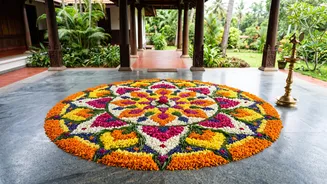
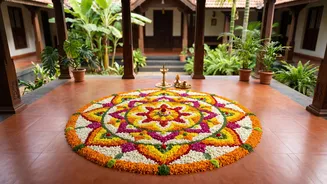
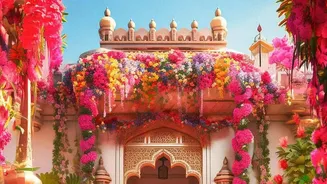
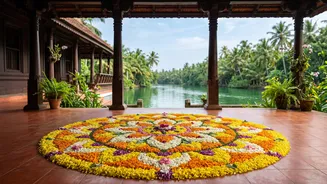
The floral carpet, or pookalam, is the most iconic symbol of Onam, with intricate designs welcoming King Mahabali at the entrance of every home. While resorts and hotels create grand displays, the real heart of this tradition lies in community participation.
In residential colonies and villages, families and neighbours often collaborate on a single, large pookalam over several days. Instead of just admiring from afar, seek out these community efforts. You can offer to help sort petals or simply watch the collaborative process unfold. It is a beautiful way to witness the community spirit of the festival, as people come together, sharing stories and laughter while meticulously arranging the flowers. This tradition, which grows more elaborate each day of the festival, is a hands-on introduction to the artistry and togetherness that defines Onam.
Experience a Home-Cooked Onasadya
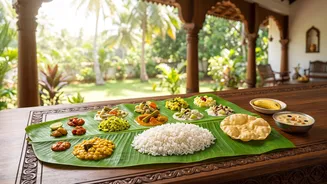
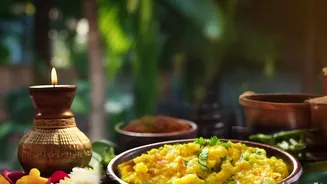
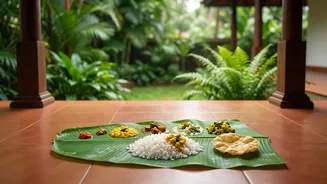
The Onasadya is a magnificent vegetarian feast with dozens of dishes served on a banana leaf, and no Onam is complete without it. While many restaurants offer excellent Sadyas, sharing this meal in a local home is an entirely different experience. A home-cooked Sadya is not just about food; it is an act of hospitality and tradition passed down through generations. The flavours are often more nuanced, with family recipes for dishes like avial, olan, and erissery taking centre stage. Many homestays offer this experience, allowing you to not only taste authentic preparations but also understand the etiquette of the meal—from the placement of the leaf to the order in which dishes are eaten. It is an intimate glimpse into Kerala’s culinary heritage and the communal joy of breaking bread (or, in this case, rice) together.
Witness a Village-Level Vallamkali
The grand snake boat races (Vallamkali) like the Nehru Trophy are thrilling spectacles, but they are also major commercial events. For a more raw and local experience, seek out the smaller boat races held in villages across the backwaters. These races are often tied to temple festivals or local celebrations and are fiercely contested community affairs. Here, you will not find large tourist stands, but you will be surrounded by the passionate cheers of villagers rooting for their home team. The atmosphere is electric with local pride, the rhythmic chants of the oarsmen (vanchipattu), and the powerful sight of the boats slicing through the water. Races like those at Aranmula are deeply tied to religious tradition, making the event as much a ritual as a competition. It is a powerful display of teamwork and tradition, far from the polished tourist circuit.
See the Tigers Prepare for Pulikali
Pulikali, or the 'Tiger Dance', is a wild and vibrant street performance held in Thrissur on the fourth day of Onam. Hundreds of performers, painted as tigers and leopards, dance through the streets to the beat of traditional drums. While the main parade around Swaraj Round is a must-see, the real magic happens behind the scenes. In the hours, and even days, leading up to the performance, you can visit the local community halls (or 'sanghams') where the artists prepare. Witnessing the painstaking process of body painting, which can take five to seven hours, offers a deep appreciation for the performers' dedication. The artists undergo weeks of training and discipline for this one day. Watching this transformation offers a profound insight into the tradition and the immense community effort that goes into making Pulikali an unforgettable spectacle.
Discover the Masked Dance of Kummattikali
For a truly offbeat cultural experience, look for Kummattikali, a colourful and rustic folk dance prevalent in the rural areas of Thrissur and Palakkad. During Onam, performers don large, brightly painted wooden masks representing mythological characters like Krishna, Darika, or an old woman known as 'Thamma'. Their bodies are covered in skirts made of woven grass, giving them a bushy, otherworldly appearance. These troupes move from house to house, singing, dancing, and collecting small gifts from villagers. Accompanied by the simple music of an 'onavillu' (a bow-like instrument), their performances are playful, sometimes mischievous, and deeply rooted in local folklore. Unlike the grand stage performances, Kummattikali is an intimate, travelling act that brings the stories and spirit of Onam directly to the doorsteps of the community, offering a glimpse into a more ancient and ritualistic side of the festival.