







First, What Are Flex-Fuel Vehicles?
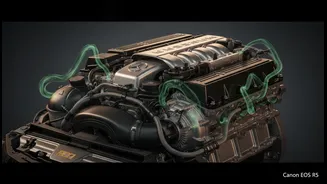
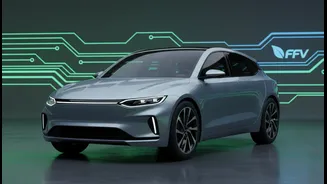
A flex-fuel vehicle (FFV) is equipped with an internal combustion engine that can run on more than just petrol. It's designed to seamlessly use a blend of petrol and ethanol, with the vehicle's computer automatically adjusting to different ratios, from
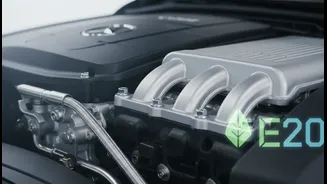
standard petrol to high-ethanol blends like E85 (85% ethanol, 15% petrol). This isn't a radical new invention—Brazil has used them for decades—but it's now gaining serious traction in India. The key difference from a standard car lies in modifications to the engine and fuel system, using ethanol-resistant materials to handle the different fuel properties. For the driver, the experience is nearly identical to a petrol car, with no need for new driving habits or special charging infrastructure.
The Government's Big Biofuel Push
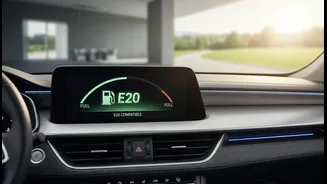
A significant driver of this trend is a concerted push from the Indian government. The National Policy on Biofuels aims to reduce the country's heavy reliance on imported crude oil, which accounts for over 85% of its needs, and bolster energy security. By promoting domestically produced ethanol, primarily sourced from sugarcane and other grains, the government also supports the agricultural sector. India has already successfully rolled out E20 petrol (20% ethanol) nationwide, ahead of schedule. Now, the focus is shifting to higher blends like E85 and E100, with manufacturers like Maruti Suzuki and Toyota already launching or showcasing FFV models like the Wagon R and Innova Hycross prototype to align with this vision.
The Allure of Lower Running Costs
For a young corporate professional, the bottom line matters. The primary appeal of flex-fuel is the potential for cheaper running costs. Ethanol-blended fuel is often priced significantly lower than regular petrol. For instance, when E85 was launched in Delhi, it was nearly Rs 20 cheaper per litre than E20 petrol. This price difference is a deliberate government strategy to make biofuels attractive. However, there's a trade-off: ethanol has lower energy density than petrol, which means fuel efficiency can drop by 20-30% or more. Whether this translates to real savings depends on the exact price gap between petrol and ethanol blends. The conversation among professionals is thus a calculated one: balancing the lower per-litre cost against a potential drop in mileage.
The 'Green-ish' Pragmatist's Choice
Today's young professional is often environmentally aware but also pragmatic. While electric vehicles (EVs) are the gold standard for zero tailpipe emissions, they come with challenges like high upfront costs, range anxiety, and a still-developing charging network. FFVs present a compelling middle ground. They offer a way to reduce carbon emissions and dependency on fossil fuels without the drastic lifestyle changes required by EVs. Running on ethanol, a renewable resource, helps lower the carbon footprint of driving. This makes FFVs an attractive option for those who want to make a greener choice that fits into their existing routines and the current infrastructure, offering a familiar refueling experience.
A Bridge to an Electric Future
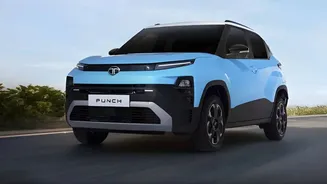
Ultimately, the growing buzz around flex-fuel technology stems from its positioning as a practical, transitional solution. It doesn't demand a complete overhaul of the automotive ecosystem. It leverages the existing fuel station network while immediately contributing to national goals like lower import bills and reduced pollution. For the young car buyer, an FFV represents a future-ready investment that isn't entirely dependent on the pace of EV infrastructure development. Major automakers including Tata Motors, Hyundai, and Toyota have all showcased flex-fuel concepts, signaling that this is a serious technological pathway for the Indian market. It's a technology that addresses the present-day realities of cost and infrastructure while taking a tangible step towards a more sustainable future.