





The Monsoon Workout Challenge
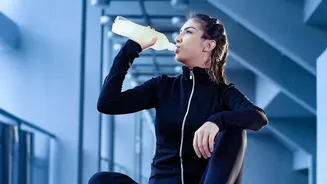
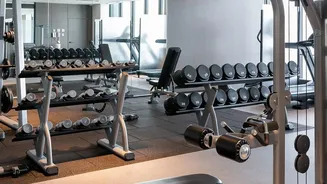
Working out indoors during the monsoon seems like a great way to stay active, but it comes with a unique challenge. The high humidity in the air prevents your sweat from evaporating effectively. Your body's natural cooling system is less efficient, which
means you might continue to sweat profusely even if you don't feel as hot as you would outdoors. This constant, ineffective sweating can lead to significant fluid and electrolyte loss. You might not feel as thirsty as you would in dry heat, but your body is still losing essential minerals, setting the stage for dehydration and muscle issues.
Why Your Muscles Are Cramping
A muscle cramp is an involuntary and painful contraction of a muscle that is unable to relax. While the exact cause can be complex, a leading factor during exercise is an electrolyte imbalance. Electrolytes are essential minerals like sodium, potassium, calcium, and magnesium that carry an electric charge. They are vital for many bodily functions, including nerve signalling and muscle contractions. When you sweat, you lose these minerals. If they are not replenished, the communication between your nerves and muscles can be disrupted, leading to those sudden, sharp cramps.
Sodium: The Hydration Regulator
Sodium is the electrolyte you lose in the greatest quantity through sweat. It plays a crucial role in maintaining fluid balance, nerve function, and muscle contractions. When sodium levels drop, your body struggles to hold onto water, which can accelerate dehydration and increase the risk of cramps. While many people are conscious of reducing salt intake, active individuals, especially those who sweat a lot, need to ensure they are adequately replacing lost sodium. A pinch of salt in your workout water or a salty snack before your session can make a significant difference. Other good sources include canned beans, salted nuts, and crackers.
Magnesium: The Muscle Relaxer
Often called the 'muscle recovery mineral', magnesium is involved in over 300 enzymatic reactions in the body, including energy production and protein synthesis. Crucially, it acts as a natural muscle relaxant, working in balance with calcium, which triggers muscle contractions. When magnesium levels are low, muscles can become more prone to contracting uncontrollably, leading to spasms and cramps. Many people do not get enough magnesium through their diet. Excellent food sources include nuts and seeds like pumpkin seeds and almonds, spinach, whole grains, legumes, and even dark chocolate.
Your Monsoon Anti-Cramp Strategy
To keep cramps at bay, a proactive strategy is best. Start by ensuring you are well-hydrated throughout the day, not just during your workout. Before exercising, consider having a small, balanced snack that contains both carbohydrates for energy and electrolytes. This could be a banana with a handful of salted almonds. During your workout, especially if it lasts longer than an hour, sip on an electrolyte drink or water with a pinch of salt. After your workout, focus on a recovery meal rich in both sodium and magnesium to replenish what you've lost. A meal with leafy greens, beans or lentils, and a lean protein source is an excellent choice.
Beyond Minerals: Other Key Factors
While sodium and magnesium are critical, they are not the only pieces of the puzzle. Proper conditioning, adequate warm-ups, and post-workout stretching are also essential for preventing cramps. Gradually increasing the intensity of your workouts allows your body to adapt. Finally, don't underestimate the power of rest and sleep in muscle recovery. Listening to your body is key; if you feel persistent tightness or fatigue, it might be a sign to take an extra rest day and focus on your nutrition and hydration.