



The Real Reason Humidity Causes Frizz
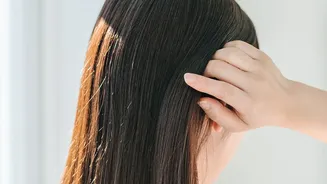
It’s a familiar story for many in India: as the rains subside, the air remains thick with moisture, and hair that was manageable yesterday is suddenly puffy and rebellious. This isn't just a 'bad hair day'; it's a scientific reaction. Your hair's outermost
layer, the cuticle, is made of overlapping scales, like shingles on a roof. In high humidity, porous or damaged hair absorbs excess moisture from the air. This causes the inner core of the hair, the cortex, to swell unevenly. As it swells, it forces the cuticle scales to lift and separate. When these 'shingles' are raised instead of lying flat, the hair surface becomes rough and loses its smoothness, resulting in the dreaded frizz and loss of style definition.
Meet Your Hair's Building Block: Protein
To understand the solution, you first have to know what your hair is made of. Up to 95% of each hair strand is composed of a fibrous protein called keratin. This protein is what gives your hair its fundamental structure, strength, and elasticity. However, daily stressors like heat styling, chemical treatments, sun exposure, and even aggressive brushing can deplete these natural proteins. This loss creates tiny gaps and weaknesses along the hair shaft, making it more porous. The more porous your hair, the more easily it will absorb humidity and become frizzy. It's a cycle of damage leading to more damage.
How Protein Treatments Act as a Repair Crew
This is where protein treatments come in. They are essentially a form of targeted repair. These treatments are formulated with hydrolyzed proteins—like keratin, collagen, or silk proteins—that have been broken down into molecules small enough to penetrate the hair shaft. Instead of just coating the outside, these proteins get inside the strand and fill in the gaps created by damage. By 'patching' these weak spots in the cuticle and cortex, the treatment reinforces the hair’s internal structure. Once inside, they harden the cuticle, helping it lie flat again. This process smooths the hair's surface, reduces its ability to absorb excess atmospheric moisture, and dramatically cuts down on frizz.
Key Ingredients for Stronger Strands
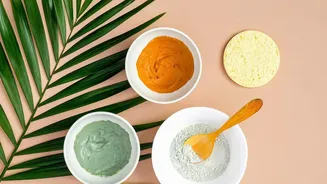
When you're looking for a protein treatment, the ingredient list is key. Hydrolyzed Keratin is a top-tier choice because it's the very protein your hair is made of, making it excellent for reinforcing structure. Hydrolyzed Wheat, Silk, or Rice Proteins are other fantastic options that offer strength and smoothness. Collagen helps improve elasticity, while amino acids are the smaller building blocks of protein that provide foundational repair. For those who prefer natural options, ingredients like coconut milk or yogurt can also provide a milder protein boost at home, helping to condition the hair and fill in some damaged spots.
Finding the Right Balance
While protein is a miracle worker for damaged hair, there is such a thing as too much of a good thing. Overloading your hair with protein can make it stiff, brittle, and prone to snapping. The key is balance. For most people with moderately damaged hair from post-monsoon humidity, a protein treatment once every 4-6 weeks is sufficient to restore strength without causing brittleness. Pay attention to how your hair feels. If it starts to feel rigid or straw-like, scale back on the protein and focus on moisture. Alternate your protein treatments with deeply hydrating masks to maintain the crucial protein-moisture equilibrium that healthy hair needs.