
What is El Niño and Why is This One Different?
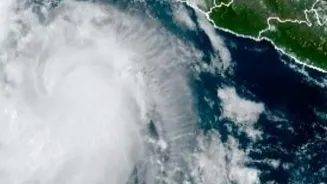
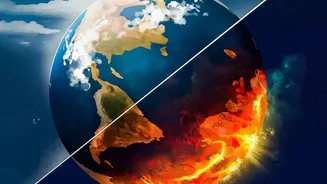
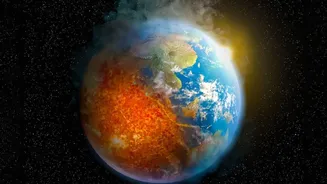
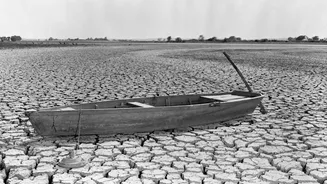
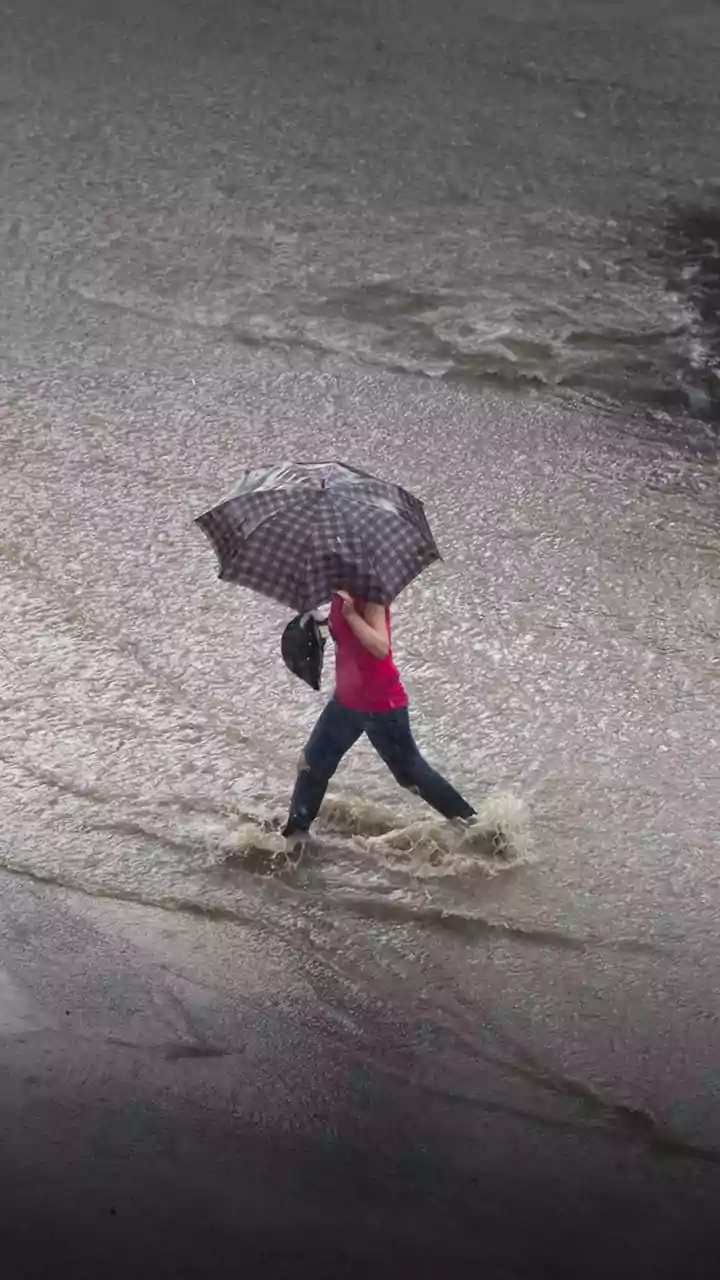
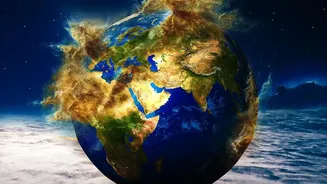
El Niño is a naturally occurring climate pattern, defined by the unusual warming of surface waters in the central and eastern Pacific Ocean. This shift in ocean temperature disrupts atmospheric circulation, altering weather globally. Some regions face droughts
and extreme heat, while others experience heavy rainfall and floods. The current 2026 event is considered particularly strong, with forecasts from the India Meteorological Department (IMD) and other global agencies indicating it will persist and possibly strengthen through early 2027. This prolonged intensity, combined with long-term climate warming, can amplify extreme weather, turning a predictable cycle into a significant threat.
India's Shifting Weather: Heat and Water Stress
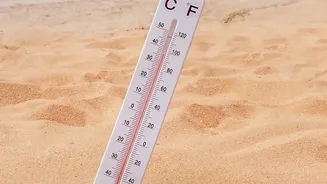
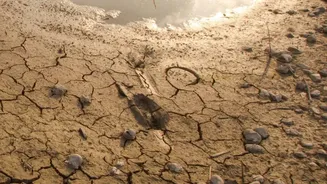
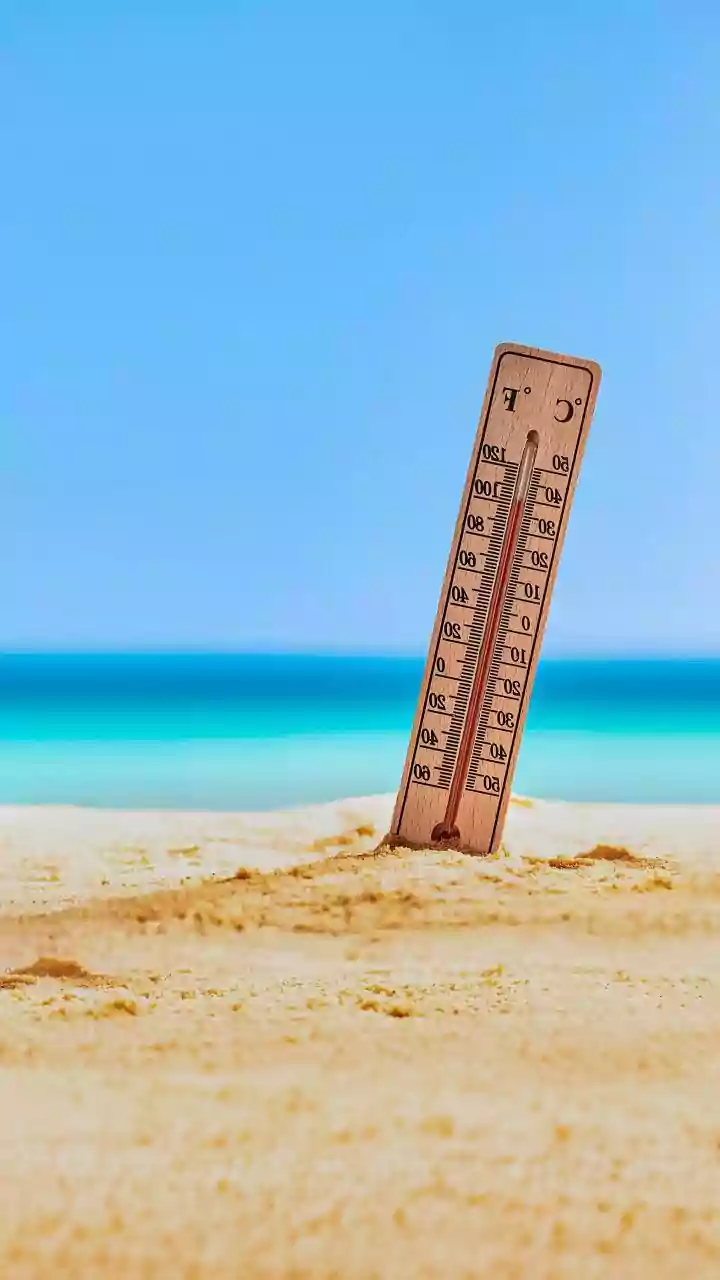
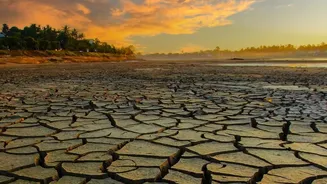
For India, a strong El Niño is often associated with a weaker southwest monsoon, leading to drier-than-normal conditions and higher temperatures. The 2026 monsoon has already shown signs of this, with a notable rainfall deficit recorded. The WHO has warned that much of South Asia, including India, could face above-normal temperatures. This translates into a higher risk of intense and prolonged heatwaves, which can cause dehydration, heat exhaustion, and life-threatening heatstroke, especially for the elderly, children, and outdoor workers. Drier conditions also lead to water scarcity, straining reservoirs and groundwater supplies, which impacts agriculture, sanitation, and access to safe drinking water.
A Surge in Mosquito-Borne Diseases
Changing weather patterns create ideal conditions for disease-carrying mosquitoes to thrive. Higher temperatures can accelerate the life cycle of mosquitoes and the replication of viruses they carry, such as dengue. Erratic rainfall, even in a largely dry season, creates pockets of stagnant water in urban and rural areas, perfect for mosquito breeding. Consequently, health authorities are preparing for an increased risk of dengue, malaria, and chikungunya. Past El Niño years have seen significant upsurges in dengue cases across several Indian states. In response, health ministries are ramping up surveillance and calling for community action, like observing a weekly 'Dry Day' to eliminate standing water.
The Hidden Dangers: Water Contamination and Air Quality
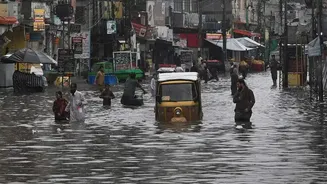
El Niño's impact isn't limited to heat and mosquitoes. Water scarcity can force communities to use unsafe water sources, while sudden heavy floods can contaminate drinking water supplies, increasing the risk of waterborne diseases like cholera, typhoid, and leptospirosis. At the same time, prolonged dry and hot conditions can lead to dust and wildfires, which degrade air quality. The resulting smoke and particulate matter can trigger or worsen respiratory conditions such as asthma and bronchitis.
National Preparedness and Your Role
In response to the threat, the WHO has activated its highest-level emergency response internally to coordinate global efforts. In India, the Ministry of Health and Family Welfare has issued advisories for states to bolster their public health preparedness. This includes strengthening disease surveillance, ensuring hospitals are ready with essential medicines and supplies, and disseminating timely weather alerts. For individuals, preparation is key. Staying hydrated, avoiding peak sun exposure during heatwaves, and diligently removing stagnant water around homes can significantly reduce personal risk. Keeping informed through official channels like the IMD is also crucial. Early warnings and community-level preparedness are our best defence against the cascading health impacts of El Niño.