





From Sightseeing to Savoring
Not long ago, food was a secondary part of travel—a necessity, a fuel stop between museums and monuments. Now, it is increasingly the main event. The global culinary tourism market is a testament to this, with projections showing explosive growth as travellers
prioritise gastronomic experiences. This isn't just a niche for self-proclaimed 'foodies'; studies show that an overwhelming majority of travellers now consider local cuisine a crucial factor when choosing a destination. Driven by a desire for authentic connections, people are trading crowded landmarks for bustling local markets, and souvenir shops for hands-on cooking classes. The motivation is simple: to experience a place, you must first taste it.
A Quest for Authenticity on a Plate
In an increasingly globalised world, travellers are searching for genuine cultural immersion, and food has become the most accessible gateway. It tells the story of a place—its history, geography, and traditions—in a way a monument cannot. The most sought-after experiences are not necessarily in Michelin-starred restaurants. Instead, travellers crave the unique and the local. A 2026 travel study revealed that street food and unique local dining experiences are far more exciting to the majority of travellers than formal fine dining. Whether it’s learning to make pasta from a nonna in Emilia-Romagna, Italy, or visiting a mezcal farm in Oaxaca, Mexico, these experiences offer a direct connection to the heritage and people of a destination. It’s about creating sensory memories tied to unique flavours and aromas that last long after the trip is over.
Redrawing the Tourist Map
One of the most powerful effects of culinary travel is its ability to redraw the tourist map. Destinations without world-famous landmarks can now emerge as hotspots based on their unique gastronomic identity. Regions like the Basque Country in Spain, Bologna in Italy, and Santa Fe in the US have become premier destinations for those who travel to eat. This trend helps distribute tourism revenue more evenly, reducing the pressure on overcrowded capitals and supporting smaller communities. Thailand, for instance, has launched initiatives to draw tourists away from hubs like Bangkok and into rural provinces to explore regional cuisines, boosting local economies and preserving culinary traditions. This shift benefits everyone: travellers discover hidden gems, and local producers, family-run restaurants, and farmers find new, sustainable sources of income.
The New Travel Itinerary
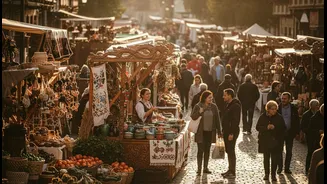
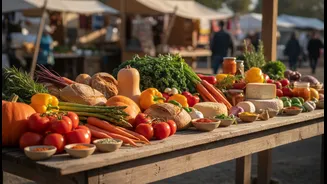
So, what does a culinary traveller's itinerary look like? It is wonderfully diverse and hands-on. It might start with a guided food tour through Hanoi’s Old Quarter, sampling street food like pho and banh mi. It could involve a farm-to-table dining experience on a wine estate in South Africa or a visit to a bustling farmers' market to meet local producers. The modern food traveller is an active participant, not a passive observer. They are enrolling in cooking classes to learn the secrets of a regional dish, joining food festivals that celebrate local harvests, and taking tours of wineries, breweries, and distilleries. These activities go beyond simple consumption; they are about understanding the story behind the food, from the soil to the plate.