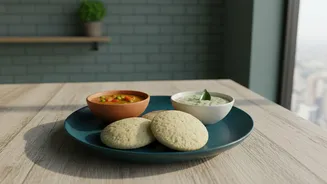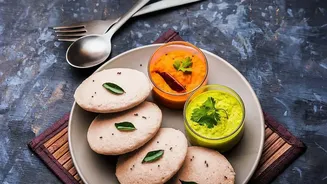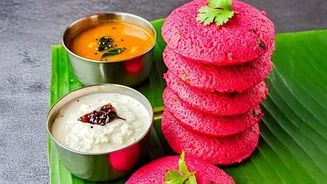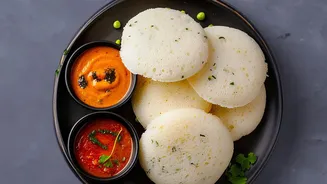



A Quiet Revolution on the Breakfast Table
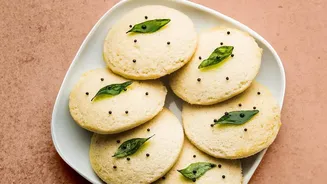
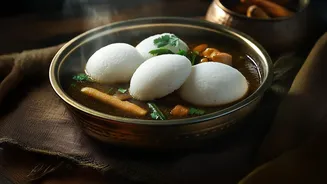
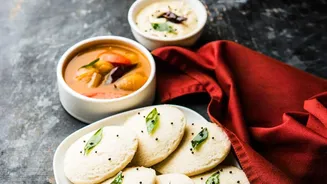
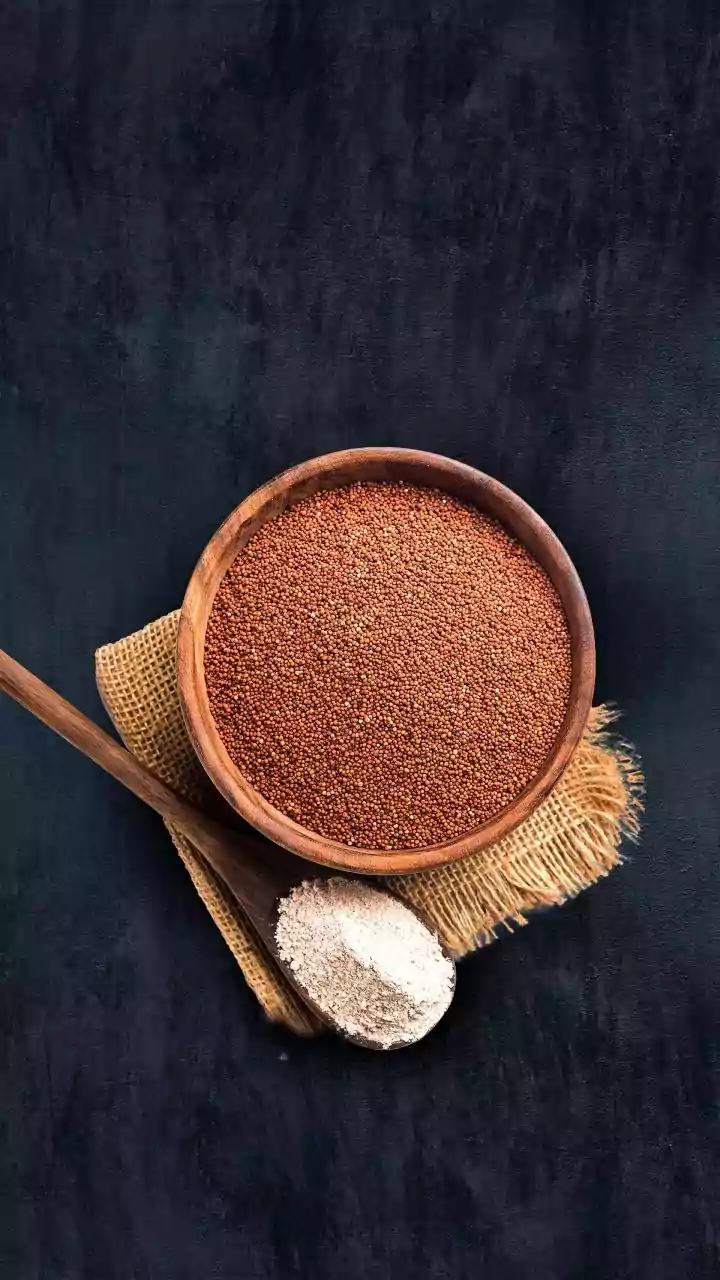
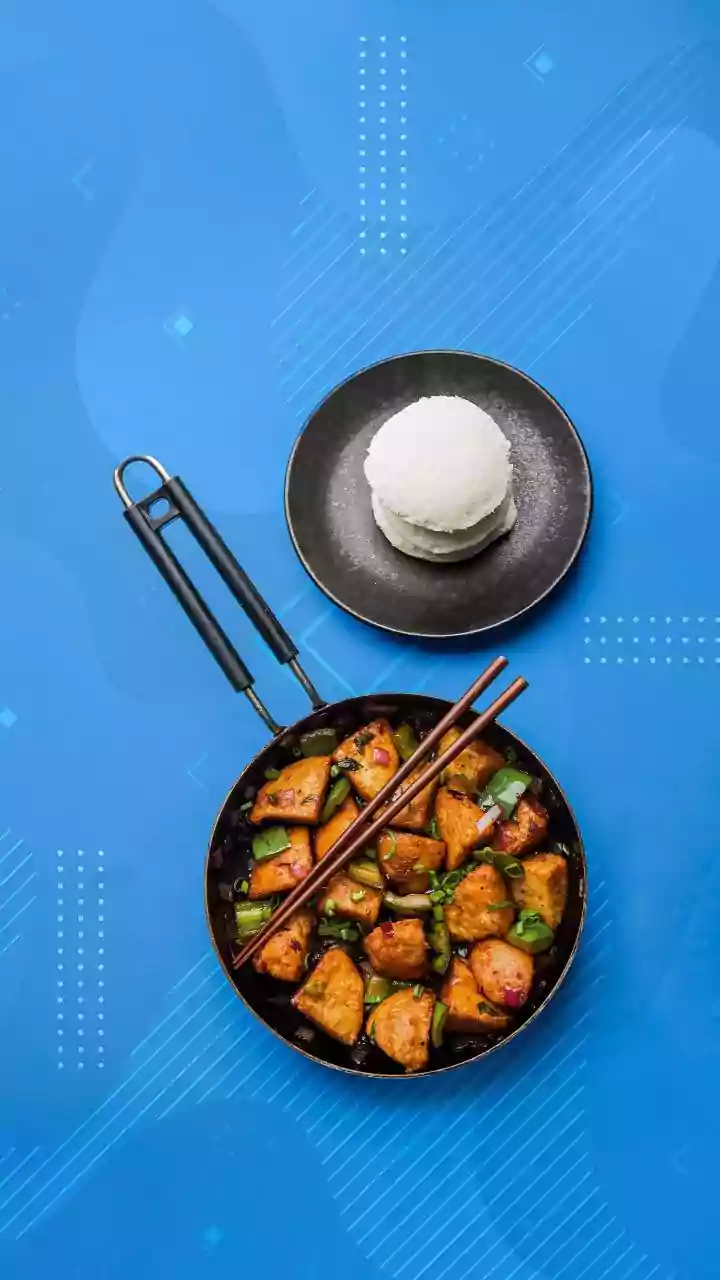
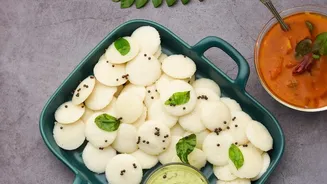
In bustling cities across India, a quiet revolution is taking place at the breakfast table. White, fluffy rice idlis and appams are increasingly making way for their heartier, nutrient-dense cousins made from millets. Grains like ragi (finger millet),
jowar (sorghum), bajra (pearl millet), and a variety of lesser-known millets like foxtail and kodo are moving from the category of 'forgotten foods' to 'superfoods'. This comeback isn’t just about nostalgia; it’s a deliberate choice by urban families seeking healthier lifestyles. The shift is visible everywhere, from social media feeds showcasing earthy-toned millet batters to the shelves of supermarkets lined with new-age millet-based instant mixes. What was once considered a rustic staple is now being celebrated as a modern wellness solution, seamlessly integrating into classic South Indian preparations without sacrificing the comfort-food feeling we all cherish.
More Than a Grain, It’s a Powerhouse
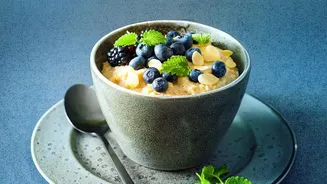
So, why the sudden surge in popularity? The answer lies in the remarkable nutritional profile of these tiny grains. Millets are a treasure trove of health benefits that directly address the concerns of a modern, often sedentary, urban lifestyle. Firstly, they are naturally gluten-free, making them an excellent choice for those with gluten sensitivities. Secondly, they are packed with dietary fibre, which aids digestion, promotes a feeling of fullness, and helps in weight management. Unlike refined rice and wheat, most millets have a low glycaemic index, meaning they release sugar into the bloodstream slowly. This quality makes them particularly beneficial for managing blood sugar levels, a growing concern for many Indians. Furthermore, different millets offer unique benefits: ragi is famously rich in calcium, crucial for bone health, while pearl millet is a good source of iron. This powerful combination of protein, fibre, and essential minerals makes millets a smart choice for building a healthier diet from the ground up.
The Global Push and Local Innovation
The renewed interest in millets received a significant boost from the United Nations' declaration of 2023 as the International Year of Millets, an initiative championed by India. This global spotlight helped transform the perception of millets from 'poor man's grain' to a 'smart food' that is good for both people and the planet due to its climate-resilient nature. Capitalising on this growing awareness, a new wave of Indian food startups has stepped in to bridge the gap between tradition and convenience. Brands have launched a variety of millet-based products, from ready-to-cook idli and dosa batters to breakfast cereals and snacks, making it easier than ever for busy urbanites to incorporate these grains into their diets. These companies are not just selling a product; they are re-introducing an entire food category, complete with modern packaging and the promise of health without hassle.
Making the Switch: Tips for Your Kitchen
Adopting millet-based appams and idlis is simpler than it sounds. The fundamental process of soaking, grinding, and fermenting remains largely the same. For beginners, a good way to start is by not going all in at once. You can begin by substituting 25-30% of the rice in your regular idli or appam batter with a millet like foxtail millet or little millet, which have a neutral taste. Once you are comfortable with the texture, you can increase the ratio. Keep in mind that millet batters can sometimes be denser, so ensuring proper fermentation in a warm spot is key to achieving soft, fluffy results. Many recipes also suggest using ice-cold water while grinding to prevent the batter from heating up, which can affect the final texture. Alternatively, the wide array of pre-made batters and dry mixes available in stores offers a convenient shortcut for those short on time.