



The Problem of the Urban Heat Island
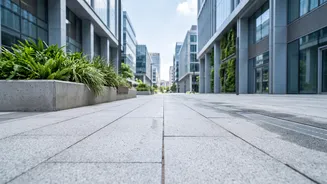
If you’ve ever felt a wave of heat rising from a parking lot after sunset, you’ve experienced the urban heat island effect. Cities, with their dense concentrations of buildings and dark pavements, absorb and retain significantly more solar radiation than
natural landscapes. Typical dark asphalt can absorb 80-95% of the sunlight that hits it, causing surfaces to get dangerously hot. This trapped heat is then released back into the atmosphere, raising ambient air temperatures by several degrees compared to surrounding rural areas. This phenomenon exacerbates heatwaves, increases energy consumption for air conditioning, worsens air quality by accelerating smog formation, and poses serious health risks, particularly to vulnerable populations.
A Cool Solution Underfoot
The core idea behind cooling our streets is simple: make them reflect more sunlight. This property is known as solar reflectance, or albedo. By applying coatings or using materials that have a higher albedo, pavements absorb less heat and stay cooler. These 'cool pavements' come in several forms, including using lighter-coloured concrete, adding reflective aggregates to the asphalt mix, or applying a reflective surface coating. Studies have shown this approach is highly effective. In some cases, reflective pavements can be over 17°C cooler than traditional dark asphalt, leading to a noticeable drop in the air temperature at pedestrian level.
The Next Generation: Engineered Coatings
The headline's mention of "bio-engineered" coatings points toward the next frontier in this technology. While simply painting a road white offers some benefit, advanced coatings are far more sophisticated. Researchers are developing polymer-modified overlays and coatings that use special infrared-reflective pigments. These are engineered to reflect solar radiation not just in the visible spectrum, but in the heat-carrying infrared spectrum as well. Furthermore, some cutting-edge research involves developing coatings derived from naturally occurring and inexpensive biomolecules. These new materials promise to be more durable, cost-effective, and environmentally friendly than earlier solutions, overcoming issues of toxicity and manufacturing expense. This makes large-scale application a more viable prospect for cities looking for sustainable solutions.
The Wider Benefits of Cooler Streets
The impact of reflective pavements goes beyond just lowering the temperature. By reducing the urban heat island effect, these surfaces decrease the demand for air conditioning in nearby buildings, saving energy and reducing greenhouse gas emissions from power plants. Cooler pavements also improve water quality by lowering the temperature of stormwater runoff, which can otherwise harm local aquatic ecosystems. There are safety benefits, too. Lighter-coloured pavements increase nighttime visibility for drivers and pedestrians, potentially reducing the need for extensive street lighting. Some studies also suggest that by keeping the asphalt itself cooler, these coatings can extend the life of the pavement, reducing maintenance costs over time.
Challenges and Considerations
Despite the clear advantages, cool pavements are not a magic bullet. One significant concern is glare; a highly reflective surface can create uncomfortable or even unsafe visual conditions for drivers on a sunny day. Another potential issue is pedestrian comfort. While the pavement itself is cooler, the reflected solar radiation can sometimes make the air feel warmer for people walking on or near it, especially in open areas without shade. Therefore, implementation must be strategic. In dense urban canyons with tall buildings, the effect may be minimal, but on wide, exposed roads and in suburbs, the benefits can be substantial. Cost and durability are also key factors, as coatings need to withstand heavy traffic and regular maintenance. Ultimately, cool pavements are most effective as part of a broader strategy that includes increasing green spaces, planting trees, and installing cool roofs.