








A Season of Deficit
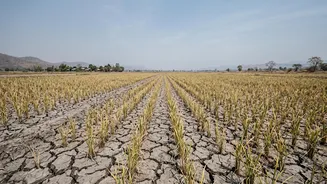
India's 2026 southwest monsoon, which officially runs from June to September, concluded with a significant rainfall deficit. According to the India Meteorological Department (IMD), the country received rainfall that was about 13% below the long-period
average. This makes it the driest monsoon season since 2015 and has officially been categorised as a "deficient" year. The primary cause behind the weak rainfall is attributed to the strengthening El Niño phenomenon, a climatic pattern that typically suppresses monsoon winds over the subcontinent. The distribution of rain was also highly uneven, with some regions like the south peninsula and east and northeast India experiencing severe deficits of around 24-26%, while central India fared better.
Kharif Crops Under Stress
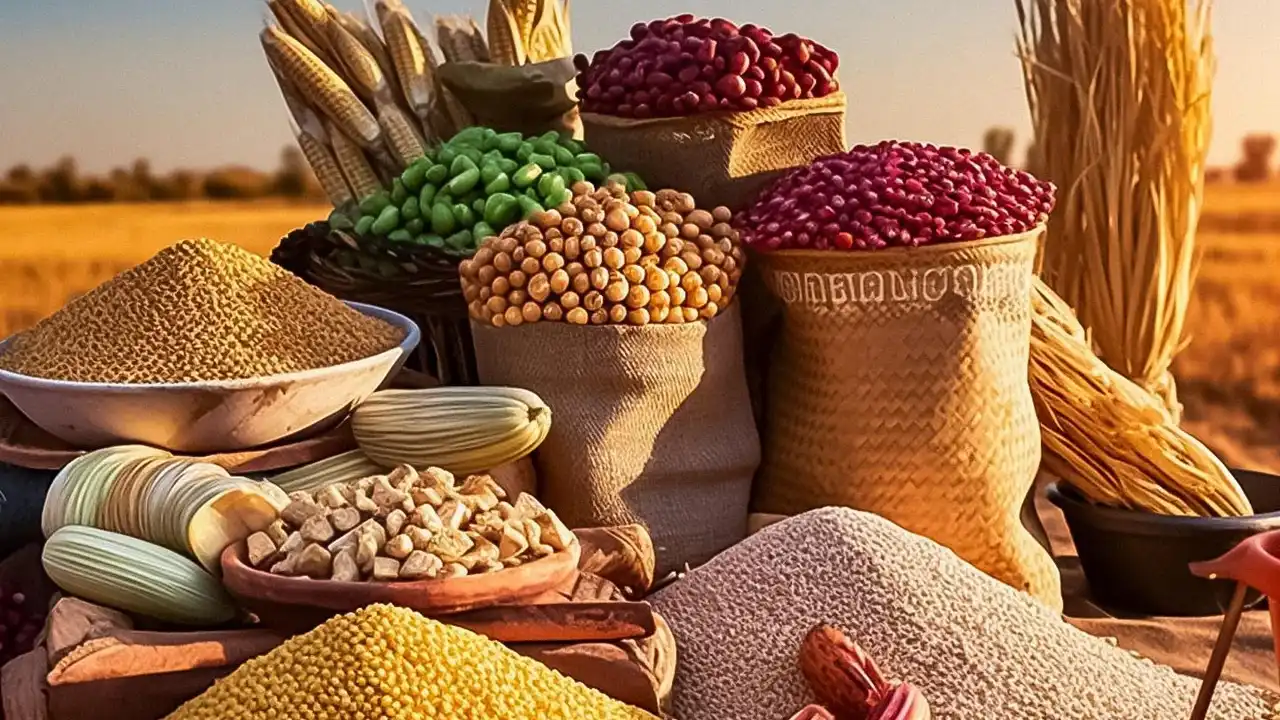
The timing and intensity of monsoon rains are critical for India's Kharif (summer) crops, which are sown at the beginning of the season. With rainfall being erratic, particularly during crucial growth phases in September, many key crops are facing moisture stress. The most significant impact has been seen on water-intensive crops like rice (paddy), with sowing area reportedly shrinking. Some estimates suggest that rice production in 2026-27 could see its first decline in a decade. Pulses, such as tur and moong, along with oilseeds like soybean and cotton, have also been affected by the prolonged dry spells. The latest data on Kharif sowing showed a decrease in the total area planted compared to the previous year, with notable reductions in paddy, maize, and soybean cultivation.
The Ripple Effect: From Farm to Kitchen
A shortfall in agricultural production inevitably raises concerns about food inflation. When the supply of essential commodities like rice, pulses, and vegetables tightens, prices tend to rise, affecting household budgets across the country. Economists are cautious, with some analyses suggesting that the weak monsoon could dampen rural incomes and create upward pressure on food prices in the latter half of the financial year. While the government has ample buffer stocks of staples like rice and wheat, which can help absorb some of the immediate shock, the prices of other commodities remain vulnerable. The full picture will depend on how the harvest season unfolds and the government's subsequent market interventions.
Looking Ahead: Rabi Season and Water Worries
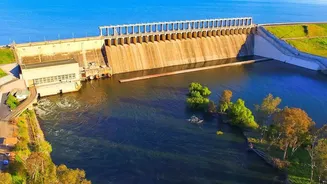
The impact of a poor monsoon extends beyond the Kharif season. The rains are vital for replenishing reservoirs, which are crucial for irrigating the upcoming Rabi (winter) crops, including wheat. As of late September 2026, water levels in many of India's major reservoirs were reported to be significantly below the levels of the previous year and the long-term average. This is a particular concern for southern and northern states and could affect the sowing and yield of the winter crop. In response, the government has been advising states to promote the cultivation of less water-intensive crops like pulses and millets and has been preparing contingency plans for hundreds of vulnerable districts.