






The Allure and the Alert
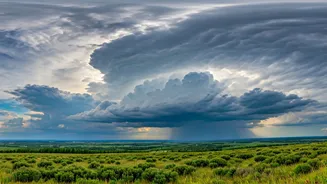
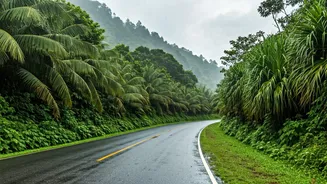
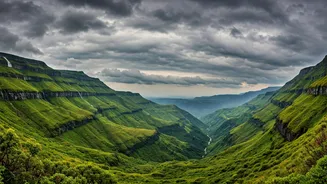
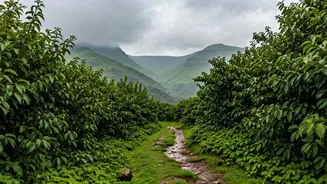
There's a reason travellers flock to the Western Ghats between June and September. The mountain range, a UNESCO World Heritage site, sheds its dry summer look and dons a vibrant green coat. Mist-covered hills, overflowing waterfalls, and the scent of
wet earth create a magical atmosphere perfect for road trips and treks. However, this is also a time for caution. The India Meteorological Department (IMD) has forecast spells of heavy rainfall for the Ghat regions of states like Tamil Nadu and Maharashtra. This increases the risk of slippery roads, landslides, and reduced visibility, making preparation more crucial than ever. A well-thought-out plan allows you to respect the power of nature while safely enjoying its splendour.
Clothing: Stay Dry and Comfortable
The key to monsoon clothing is choosing fabrics that dry quickly and keep you comfortable. Heavy materials like denim are a poor choice as they take a long time to dry and become heavy when wet. Instead, focus on lightweight synthetics. Your clothing bag should include a lightweight, foldable raincoat or poncho that can ideally cover your backpack as well. Pack quick-dry t-shirts and trousers. It is wise to carry extra pairs of undergarments and socks. Full-sleeved shirts and pants are also recommended, as they offer protection not just from the mild chill but also from mosquito bites, which are more common during this season.
Footwear: Grip is Everything
The wrong footwear can ruin a monsoon trip. Trails become muddy, and stone paths get extremely slippery. Prioritise grip and water resistance above all else. A pair of anti-skid trekking shoes with good ankle support is the best investment for those planning to walk or hike. For more casual use or walking around your accommodation, waterproof sandals or floaters are an excellent choice as they are easy to clean and dry quickly. Avoid casual flip-flops for any outdoor activity, as they offer no protection or grip on treacherous surfaces. It’s also a good idea to pack a few extra pairs of quick-drying socks.
Health Kit: Be Prepared for Anything
The monsoon can bring a host of health challenges, from common colds to insect-borne diseases. A well-stocked first-aid kit is non-negotiable. It should contain basic medicines for fever, headaches, stomach upsets, and any personal prescription medications. Antiseptic wipes, bandages, and pain relief spray are also essential. Given the increase in mosquitoes, a strong insect repellent is a must-have. To avoid waterborne illnesses, strictly drink bottled or boiled water and be wary of street food, especially uncooked items. Carrying a hand sanitiser is crucial for maintaining hygiene when soap and water are not readily available.
Gear and Gadgets: Keep Everything Safe
Water and electronics do not mix. To protect your expensive gadgets, invest in waterproof phone cases and dry bags. Simple zip-lock plastic bags are a great budget-friendly alternative for storing your phone, wallet, chargers, and important documents. A rain cover for your backpack is essential to keep all your belongings dry. Power cuts can be more frequent during the monsoon, especially in remote areas, so a fully charged power bank is a lifesaver. It’s also wise to carry a torch or flashlight, as fog and heavy cloud cover can cause it to get dark surprisingly early on trails and ghat roads.
On the Road: Drive with Caution
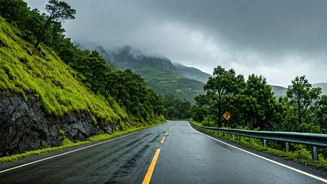
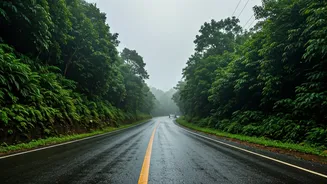
If you are planning a road trip, vehicle preparedness and defensive driving are key. Before you start, check your car’s tyres, brakes, and wipers to ensure they are in optimal condition. Ghat roads demand a cautious driving style. Reduce your speed, especially on sharp turns, and maintain a safe distance from the vehicle ahead. Use lower gears when driving downhill to avoid overheating your brakes. Visibility can drop to near zero in seconds due to fog, so avoid driving after dark if possible. Always check local advisories for road closures or landslide warnings before you set off and keep your itinerary flexible.