
The Starch Story: Firming Up for Flavour
One of the main characters in this story is starch. Ingredients like potatoes, rice, and lentils are central to Indian cuisine. When cooked, the starch molecules in these foods gelatinise—they swell up and soften. As the dish cools down in the refrigerator,
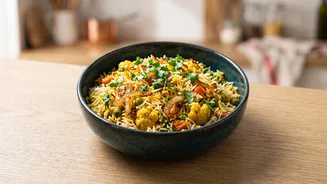
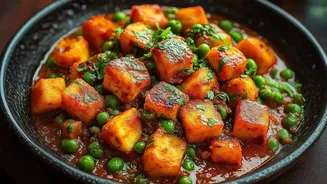
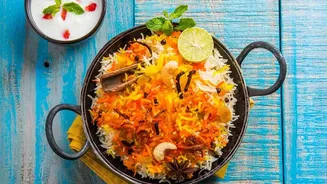
a process called 'starch retrogradation' begins. The molecules start to realign themselves into a more organised, crystalline structure. This makes individual grains of rice or pieces of potato firmer and less mushy. This improved texture is only half the benefit. This new, more rigid structure is also less saturated with water, allowing it to better absorb the surrounding flavours from the gravy and spices. The result is that each grain of rice in a biryani or chunk of potato in a curry is more deeply infused with flavour than it was when freshly cooked.
Fat as the Ultimate Flavour Carrier
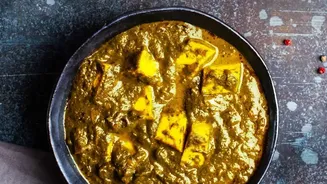
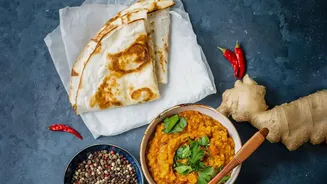
Fat, whether it's ghee, mustard oil, or coconut oil, is the unsung hero of next-day flavour. Many of the aromatic compounds that give spices like cumin, cloves, and turmeric their distinctive tastes and smells are fat-soluble, not water-soluble. During cooking, especially in techniques like 'tadka' (tempering), these flavour molecules are extracted from the whole or ground spices and dissolve into the hot fat. When the dish is fresh, that flavour is present but not fully distributed. As the food cools and rests overnight, the flavour-infused fat molecules have time to migrate and permeate the entire dish, coating every ingredient. This slow, patient infusion ensures a more uniform and well-rounded taste in every bite, transforming a collection of individual notes into a harmonious chord.
Spices and Aromatics Continue to Mingle
Cooking may stop when you turn off the stove, but chemical reactions continue. A freshly made curry can have 'sharp edges'—the distinct bite of raw ginger, the bright tang of tomatoes, or the upfront heat of chillies. Overnight, these disparate elements have time to mellow and meld. Complex organic compounds continue to break down into simpler, more flavourful ones. Aromatic oils from whole spices like cardamom and bay leaves keep slowly releasing into the sauce. This process, sometimes called flavour equilibration, is what balances the dish. The individual ingredients stop shouting and start talking to each other, resulting in a deeper, more cohesive flavour profile where no single spice dominates.
Proteins and Textures Also Transform
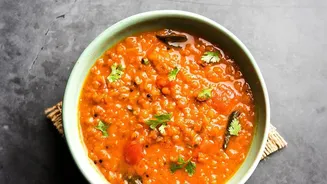
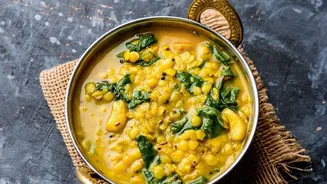
This phenomenon isn't limited to starches and fats. In meat-based curries, the collagen in the meat breaks down into gelatin during cooking. As the dish cools, this gelatin sets into a light jelly, trapping moisture and flavour molecules within it. When you reheat the curry, the gelatin melts, creating a silky, richer mouthfeel that wasn't as pronounced the first day. Similarly, legumes like chickpeas (chole) or kidney beans (rajma) continue to relax and soften as they sit in the gravy, allowing them to soak up the seasoned liquid right to their core. This makes them more tender and flavourful all the way through, a quality that is hard to achieve in the initial cooking time alone.