



Start with a Clean Slate
The absolute first step to ensuring your makeup lasts is to begin with a thoroughly clean face. Use a gentle foaming or gel cleanser formulated for oily skin to wash away any dirt, impurities, and excess oil that has accumulated. Look for cleansers with ingredients
like salicylic acid, a beta-hydroxy acid (BHA) that is oil-soluble and can penetrate deep into pores to dissolve sebum and dead skin cells. This not only controls oil but also creates a smoother canvas for makeup application by helping to slough away dead skin. Massage the cleanser into damp skin before rinsing completely and patting your face dry. A clean base is crucial for helping makeup adhere better and last longer.
Balance with a Targeted Toner or Treatment
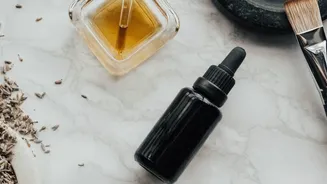
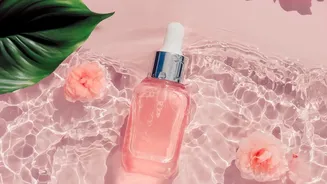
After cleansing, it’s time to balance the skin and treat it for oil production. A toner can help remove any last traces of oil and rebalance your skin's pH. For an extra boost of oil control, consider using a serum that contains niacinamide (Vitamin B3). Studies have shown that niacinamide can effectively help regulate sebum production over time, which means less oil breaking through your makeup. It's a versatile ingredient that also helps improve skin tone and minimize the appearance of pores without causing irritation. Applying a product like this before your moisturizer works to control oil at a deeper level throughout the day.
Hydration is Non-Negotiable
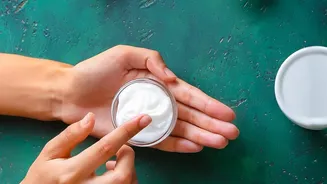
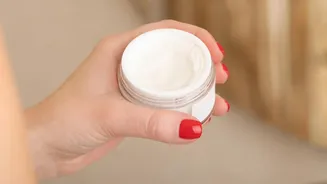
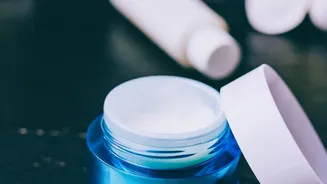
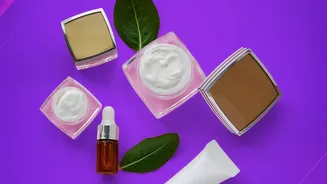
It’s a common myth that oily skin doesn’t need moisturizer. In fact, the opposite is true. When oily skin becomes dehydrated, it can overcompensate by producing even more oil, which is the enemy of long-wear makeup. The key is to choose the right kind of hydration. Opt for a lightweight, oil-free, and non-comedogenic moisturizer, ideally with a gel or gel-cream texture. These formulas absorb quickly, providing essential moisture without feeling heavy, greasy, or clogging pores. A well-hydrated face creates a plumper, smoother surface and signals to your skin that it doesn't need to go into oil-production overdrive.
Prime for Perfection
If there is one unskippable step in this entire process, it is primer. A good primer is the most critical barrier between your skin’s natural oils and your makeup. For oily skin, look for a mattifying, oil-free, or pore-blurring primer. These primers are often formulated with ingredients like silicone which create a smooth, even barrier that makeup can grip onto, preventing it from sliding off or settling into pores. Apply the primer strategically, focusing on the areas that get the oiliest, such as your T-zone (forehead, nose, and chin), to create a sturdy base for your foundation and control shine before it even starts.
A Light Powder 'Pre-Set'
For extra staying power, try a makeup artist trick: pre-setting. After your primer has fully settled, but before you apply any foundation, use a large fluffy brush to apply a very light dusting of translucent setting powder. Focus this light layer on your oiliest areas. This technique acts as an additional absorbent layer, soaking up any initial oil that may try to break through your primer. It's an amazing way to lock in your skin prep and provide another line of defense against shine. The key is to use a minimal amount of powder to avoid a cakey look once you apply foundation on top.
Lock It All In
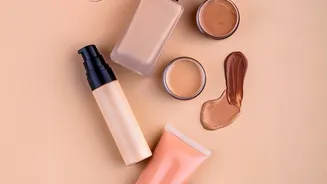
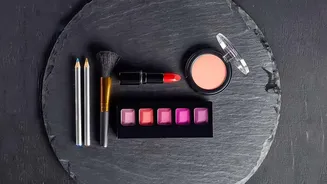
Once your foundation and other cream or liquid makeup products are applied, it's time to set them definitively. Use a pressed or loose powder to set your entire face, paying special attention to the T-zone and any areas prone to creasing. You can use a powder puff to gently press the powder into the skin for maximum oil absorption and a long-lasting matte finish. The final step is a generous spritz of a mattifying or long-wear setting spray. This will meld all the layers of makeup together, remove any powdery look, and create a final, protective film that locks everything in place for hours.