






The great Indian dream of owning a home has long been measured in square feet. But a major shift is underway. Today’s homebuyers are looking beyond the floor plan, asking a new set of questions about what makes a property truly valuable.
The Old Calculus: Space as Status
For decades, the
primary marker of a desirable home in India was its size. A bigger home, especially a 3BHK or 4BHK, was not just a residence but a clear signal of financial success and social standing. Buyers often compromised on location, enduring long commutes from far-flung suburbs to afford more spacious living quarters. This 'space premium' was a deeply ingrained part of the property market, with buyers stretching their budgets to secure expansive living areas, which were seen as essential for family life and future-ready assets. This mindset drove development patterns, pushing cities outward and making affordability a constant challenge in central areas.
The New Equation: What Is Convenience Worth?
Today, 'convenience' has become a currency as valuable as square footage. But what does it mean in 2026? It’s no longer just about a nearby grocery store. For the modern Indian homebuyer, convenience is a multifaceted concept that includes proximity to workplaces, schools, healthcare, and quality retail and entertainment options. It’s about having reliable power backup, security, and well-maintained common areas. Increasingly, it means access to green spaces, walking tracks, and fitness zones that support physical and mental well-being. This holistic view is driving a 'flight to quality', where buyers prioritize projects from established developers known for delivering a complete lifestyle package, not just four walls.
Drivers of the Lifestyle-Led Shift
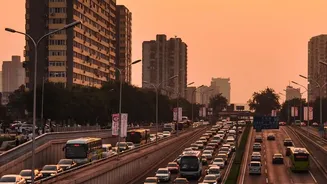
Several factors are fuelling this re-evaluation. Worsening traffic congestion in major cities has made long daily commutes unbearable, eating into family and personal time. The widespread adoption of hybrid work models has also made people reconsider the purpose of their homes; a spare room for an office is now a common requirement. As a result, homebuyers are now more discerning, with different generations prioritising different needs. Young professionals may opt for a smaller, well-connected studio apartment, while growing families seek larger homes in gated communities with easy access to schools. This reflects a broader trend towards practical, lifestyle-led choices where the home must support evolving daily routines.
Developers Respond with Integrated Townships
The real estate industry has taken note. The most significant response to this demand for convenience is the rise of large_scale integrated townships. These self_sufficient communities are designed to offer a 'walk_to_work' environment by combining residential towers with commercial office spaces, schools, hospitals, shopping centres, and recreational facilities. By creating a self_contained ecosystem, townships reduce the reliance on strained municipal infrastructure and offer a higher quality of life. Cities like Pune, Bengaluru, and Gurugram are seeing strong demand for these developments, which are becoming the new benchmark for urban living in India.
Redefining the Dream Home
This doesn't mean the desire for spacious homes has vanished. In fact, demand for premium 3BHK and 4BHK configurations remains strong, especially in developments where new infrastructure has improved connectivity. However, the compromise has shifted. Rather than sacrificing location for space, many buyers are now willing to accept a slightly more compact home if it is situated within a well_planned community that offers a superior lifestyle. The ultimate goal has evolved from simply owning the biggest house to finding a home that provides the best possible balance of comfort, convenience, and community.