





The Ancient Wisdom of Warmth
For thousands of years, traditional medicine systems like Ayurveda have championed the concept of 'Agni', or the digestive fire. This inner fire is believed to be the engine of our health, responsible for breaking down food, absorbing nutrients, and eliminating
waste. According to this philosophy, cold, raw, and heavy foods can dampen this fire, leading to sluggish digestion, bloating, and the buildup of toxins, known as 'Ama'. Warm, cooked, and easily digestible meals, on the other hand, are seen as fuel for the fire. They are thought to support Agni, ensuring that food is processed efficiently and the body's channels remain open and clear. This perspective suggests that digestion isn't just a mechanical process, but a metabolic one that thrives on warmth.
The Science of Digestion
Modern science offers a complementary perspective. Your body's digestive enzymes, the proteins that break down food, function optimally at our internal body temperature of around 98.6°F (37°C). When you consume very cold foods or drinks, you may temporarily slow these enzymatic reactions. The body must expend energy to warm the ingested items before digestion can proceed efficiently. While this effect is temporary, a consistent diet of cold foods can place a continuous, low-level stress on the digestive system. Cooking, in essence, begins the digestive process before the food even enters your body. The heat breaks down tough cellular structures, like the cellulose in plant walls, and complex starches, making nutrients more accessible. This 'pre-digestion' means your gut has less work to do, freeing up energy and allowing for more efficient nutrient absorption.
Feeding Your Microbial Allies
So, where does the gut microbiome fit in? This bustling community of trillions of bacteria in your colon plays a critical role in your health, from immunity to mood. And just like you, they need to eat. The food for your best gut bacteria comes from the compounds that survive the journey through your upper digestive tract, primarily different types of fiber and starches known as 'microbiota-accessible carbohydrates' (MACs). Research suggests that cooking has a profound impact on what reaches your microbes. A study comparing the effects of raw versus cooked sweet potatoes found that the two preparations led to fundamentally distinct gut microbiome compositions in mice. Cooking gelatinizes starches, making them easier for us to digest in the small intestine. This might seem like it's stealing food from the microbes, but it also means less undigested starch arriving in the colon, which can cause gas and bloating for some. Furthermore, many raw plants contain natural antimicrobial compounds as a defense mechanism. Cooking can neutralize these compounds, potentially creating a more hospitable environment for certain beneficial microbes.
Putting It Into Practice
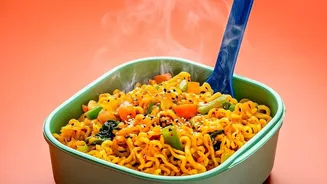
Adopting a diet that favors warm, easily digestible foods doesn’t require a complete overhaul. It's about making thoughtful shifts. Consider starting your day with a warm breakfast like porridge or eggs instead of a cold smoothie, especially if you find them hard to digest. Soups, stews, and broths are excellent ways to get nutrients in a form that is gentle on the gut. Steaming or roasting vegetables instead of always eating them raw can also make a difference. This doesn't mean you must give up salads or fresh fruit forever. A healthy diet thrives on variety. The key is balance and listening to your body. If you feel bloated, gassy, or sluggish after eating raw or cold foods, it might be a signal from your gut to turn up the heat.