





Which Carmakers Are Increasing Prices?
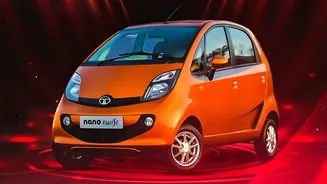
The latest announcements confirm a clear industry-wide trend. Tata Motors announced it will increase prices across its entire passenger vehicle portfolio, including both petrol/diesel (ICE) and electric (EV) models, by up to ₹25,000 from September 1.
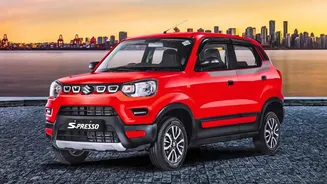
Similarly, Hyundai Motor India will implement a price hike of up to 1% across its model range, also starting in September. These companies join Maruti Suzuki, the nation's largest carmaker, which already raised prices on its Arena and Nexa models in August. The hikes from these major players suggest that other manufacturers may soon follow suit.
Why the Sudden Increase?
Automakers have consistently pointed to a common set of challenges forcing their hand. The primary reason cited is the relentless rise in input and commodity costs. This refers to the increasing prices of raw materials essential for manufacturing, such as steel, aluminum, and components for electronics. Additionally, companies have noted that sustained inflationary pressures and higher operational expenses are squeezing their margins. Geopolitical and macroeconomic uncertainties are also listed as contributing factors, creating an unpredictable environment for supply chains and costs. Carmakers state that while they absorb a significant portion of these increased costs, a partial transfer to the customer has become unavoidable.
How Much More Will You Pay?
The exact increase will depend heavily on the brand, model, and specific variant you choose. For Tata Motors, the hike is stated as 'up to ₹25,000'. This means entry-level models like the Tiago will likely see a smaller increase, while top-end SUVs such as the Harrier and Safari could face a hike closer to the maximum amount. Hyundai has announced a more straightforward 'up to 1%' increase across its portfolio. For a car priced at ₹10 lakh, this could mean an increase of up to ₹10,000. Maruti Suzuki's August hike was more varied, ranging from ₹2,500 on entry-level models to as much as ₹30,000 on certain variants of the Baleno. The final, detailed price lists are typically released by dealers at the beginning of the month.
Is This a New Trend?
Unfortunately, for car buyers, these price hikes are part of a continuing pattern. This marks the third time in 2026 that both Tata Motors and Hyundai have increased prices. Tata previously raised prices in April and July, while Hyundai made upward revisions in January and June. Maruti Suzuki also implemented a price hike earlier in the year before its August adjustment. This consistent upward movement reflects the persistent cost pressures the automotive industry has been facing for several quarters, including expenses related to new technology and stricter emission norms.
Should You Buy Now or Wait?
This is the crucial question for anyone in the market for a new vehicle. Buying before September 1 would lock in the current, lower prices, potentially saving you several thousand rupees. However, the upcoming festive season—traditionally a period of high sales—often brings attractive discounts, exchange bonuses, and special financing offers from dealers. The dilemma is whether the festive offers will be substantial enough to offset the announced price hikes. If you have already decided on a specific model and variant, purchasing before the end of August is the safest bet to avoid the price increase. If you are flexible and willing to wait, you could gamble on festive deals in October and November, but be prepared for the higher base price of the vehicle. Experts suggest that waiting could mean paying ₹30,000 to ₹1 lakh more depending on the car segment.