




A Touch of Earth in the Concrete Jungle
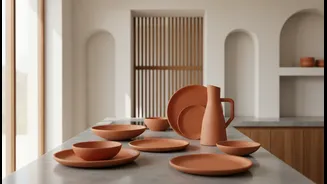
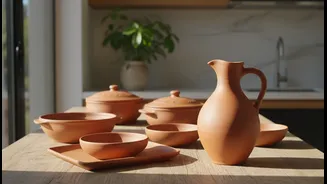
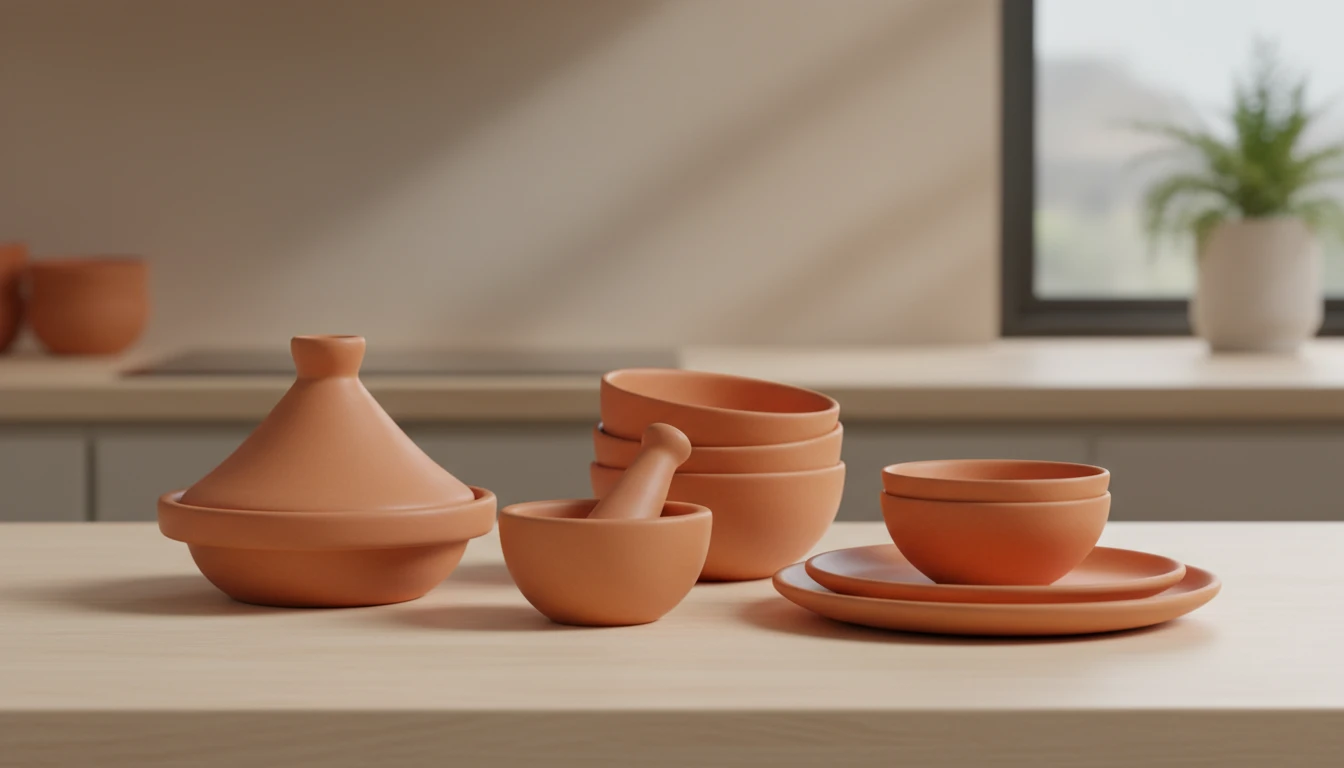
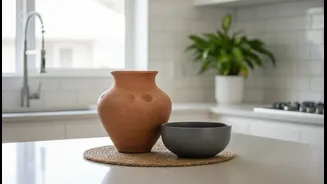
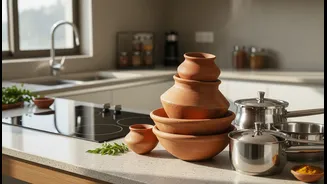
Walk into a thoughtfully designed urban home today, and you might notice earthy accents grounding the contemporary decor. From deep russet water pots and curd setters to robust cooking handis and even stylish dinnerware, terracotta is re-establishing
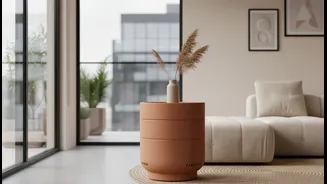
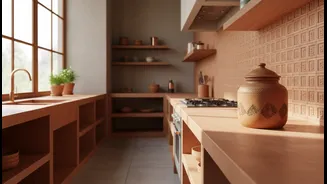
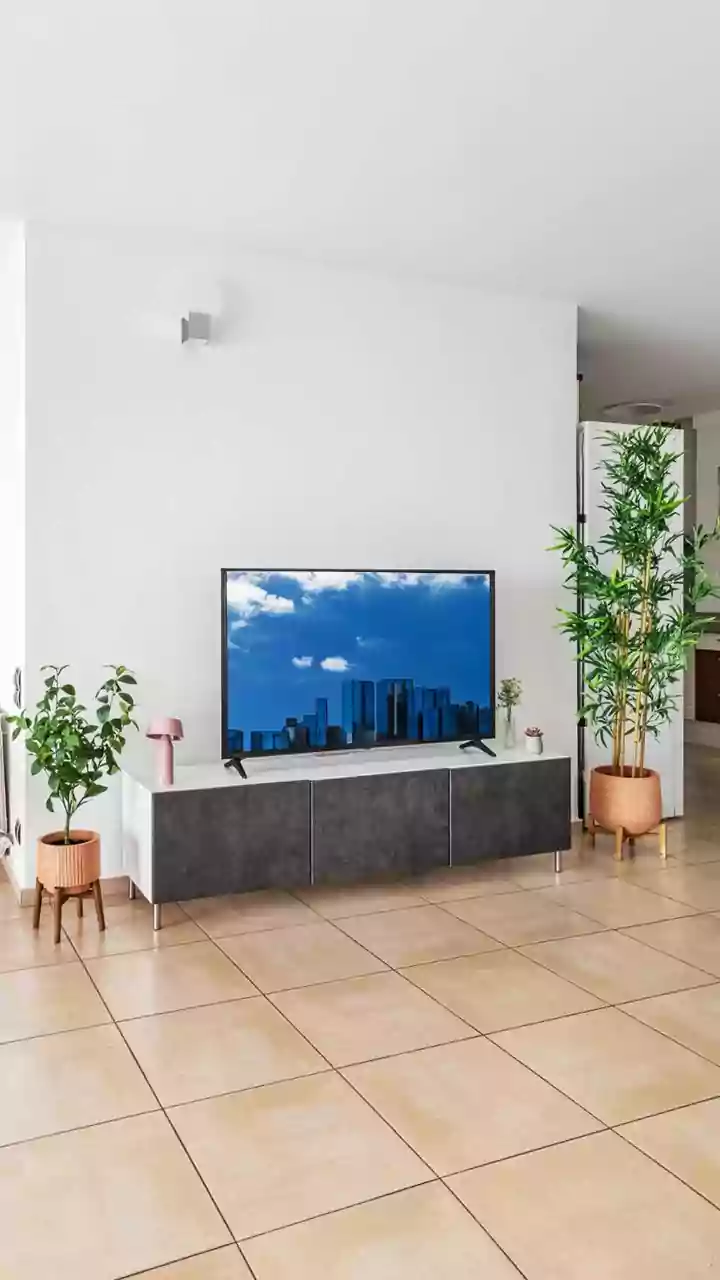
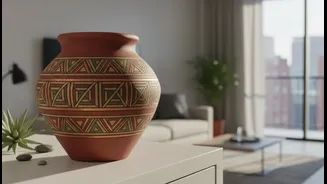
its presence. For years, it was relegated to the status of a rustic novelty, but today, designers and homeowners are recognising its unique aesthetic value. The warm, matte texture of baked earth provides a striking contrast to the clean lines and cool surfaces of modern kitchens, adding a layer of visual warmth and character that manufactured materials often lack. This trend is about creating a space that feels both cutting-edge and connected to its roots, blending global design sensibilities with a distinctly Indian soul.
The Original Water Cooler
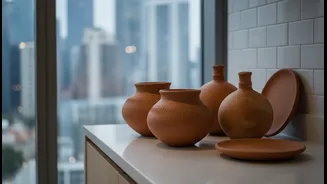
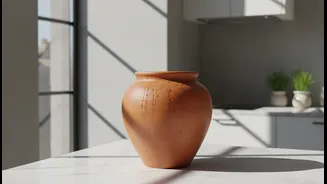
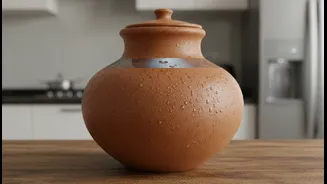
Long before electric refrigerators became a household staple, the 'matka' or 'ghada' was India's original water cooler. The science behind it is a simple yet brilliant phenomenon: evaporative cooling. Terracotta is naturally porous, allowing a tiny amount of water to seep through its microscopic pores to the outer surface. As this water evaporates, it draws heat from the vessel and its contents, naturally lowering the water's temperature by several degrees without using a single watt of electricity. In an era of rising energy costs and a growing desire for eco-friendly solutions, this ancient technology feels incredibly modern. Many find the water from a matka not just cooler, but also gentler on the throat and imbued with a pleasant, earthy taste that refrigerated water lacks.
Style Meets Sustainability
The shift towards terracotta is also a powerful statement in sustainability. Made from natural clay, these products are completely biodegradable and non-toxic, offering a guilt-free alternative to the plastics that pervade our lives. When a clay pot reaches the end of its life, it can return to the earth without releasing harmful pollutants. This aligns perfectly with a growing global consciousness about reducing plastic waste and making more mindful consumption choices. Furthermore, the durability of well-made terracotta means these items are not part of a throwaway culture. They are long-lasting, functional pieces that contribute to an eco-friendly lifestyle while adding timeless elegance to the home.
A Taste of Tradition and Wellness
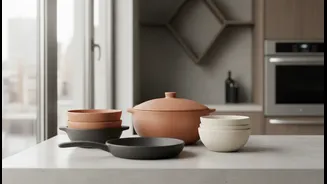
Beyond aesthetics and eco-credentials, cooking in clay is believed to offer a host of wellness benefits. Clay is alkaline in nature, which can help neutralize the pH balance of acidic foods, making them easier to digest. The porous nature of the pots allows for slow, even cooking, which helps retain the moisture and nutrients in food that can be lost with high-heat cooking methods. Many users swear that dishes cooked in earthenware, from dal and biryani to fish curries, have a richer, more complex flavour. There's also the benefit of reduced oil usage, as the pot's ability to trap steam and moisture means less fat is needed to prevent food from sticking or drying out. By using these vessels, people are not just cooking; they are participating in a culinary tradition that values both health and taste.
Supporting Artisans and Craft
This revival of terracotta also shines a spotlight on the skilled artisans who have kept this craft alive for centuries. Choosing to buy these products often means supporting local potters and their communities, helping to preserve a valuable part of India's cultural heritage. In a market dominated by mass-produced goods, the subtle variations and unique imperfections of a handmade clay pot tell a story of craft and human touch. As urban consumers increasingly seek authenticity and a connection to the products they buy, the appeal of terracotta goes beyond its functional benefits to represent a vote for tradition, artistry, and sustainable livelihoods.