





The September Weather Outlook
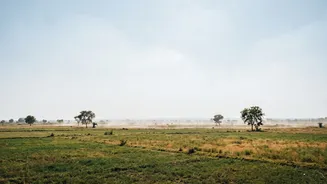
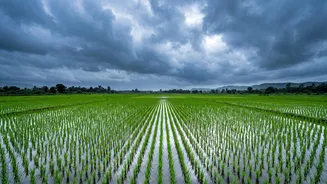
The India Meteorological Department (IMD) has forecast that rainfall during September 2026 is most likely to be below normal for the country as a whole. This is defined as receiving less than 91% of the Long Period Average (LPA), which for September is about
167.9 mm. This anticipated dry spell is linked to strong El Niño conditions over the Pacific Ocean. Alongside less rain, most parts of the country are also expected to experience above-normal maximum and minimum temperatures. While some regions in the northeast and northwest might see normal rainfall, the broader outlook suggests a need for caution and preparedness, particularly concerning water resources and potential heat stress.
Smart Water Conservation at Home
A drier month puts pressure on already strained water supplies, making household conservation crucial. Start with a simple audit: check for and immediately fix any leaking taps, pipes, or toilet flushes. A slow drip can waste a surprising amount of water over time. In the bathroom, opt for shorter showers or use a bucket, which gives you better control over water usage. Avoid letting the tap run while brushing your teeth or shaving. In the kitchen, wash vegetables in a pan of water rather than under a running tap, and only run the dishwasher when it's fully loaded. The water collected from RO filters is perfectly good for mopping floors or washing utensils, so be sure to collect it in a bucket. These small, consistent habits can collectively lead to significant water savings.
Rethinking Your September Travel Plans
If you have travel plans for September, it’s wise to keep the weather forecast in mind. While many destinations remain beautiful, a drier, hotter month can bring its own challenges. Before you leave, check the specific weather forecast for your destination, as conditions can vary. Some hilly or remote regions could face water shortages, so confirm with your hotel about the local situation. When packing, include lightweight, quick-drying clothes. Carry a reusable water bottle to stay hydrated, but stick to packaged or boiled water to avoid waterborne diseases, which can be a risk even with less rain. Because of unpredictable conditions, it's also a good idea to have a flexible itinerary and a backup plan. Keep an emergency kit with basic medicines for common ailments like colds or indigestion.
Health and Wellness in Drier Weather
Above-normal temperatures combined with less rain call for extra attention to health. The most important rule is to stay hydrated, even if you don't feel as thirsty as you would in peak summer. Aim to drink at least 8-10 glasses of water daily. Natural fluids like coconut water and buttermilk (chaas) are excellent for replenishing electrolytes. Pay attention to your diet; eat light, digestible meals and include plenty of water-rich fruits and vegetables like cucumber and oranges. Protect your skin from dryness by using a good moisturiser. Try to schedule any strenuous physical activity for the cooler parts of the day, such as the early morning or evening, to avoid exhaustion and heat stress.