





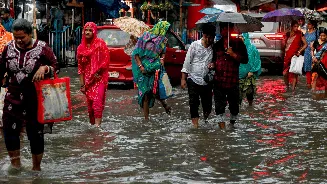


A Region on High Alert
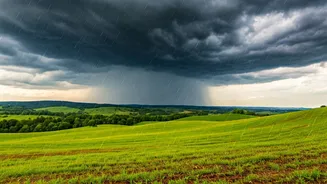
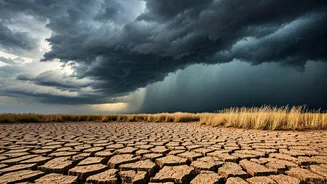
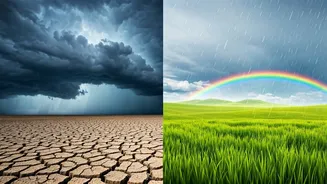
Uttar Pradesh and Uttarakhand are currently experiencing a tale of two weather extremes. While residents have been grappling with severe heatwave conditions, the India Meteorological Department (IMD) has announced that conditions are now favourable for
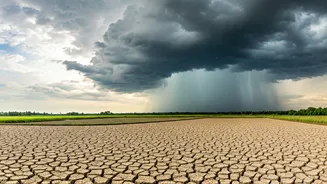
the monsoon's advance. [7, 8] For days, cities like Lucknow and Prayagraj have recorded temperatures significantly above normal, with the heat compounded by high humidity. [11, 12] This intense weather has created a palpable sense of anticipation for the cooling rains, which are not just a matter of comfort but a necessity for the region's economy and environment. The IMD has forecast that the rain-bearing system will move into parts of both states within the next two to three days, promising an end to the oppressive heat. [15, 17]
The Official Forecast
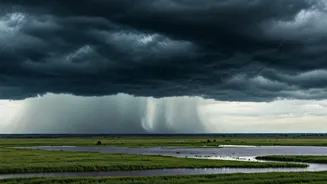
According to the latest IMD bulletins, the Northern Limit of Monsoon is progressing, and the system is expected to cover more areas of Uttar Pradesh and Uttarakhand between late June and early July. [15, 25] Widespread rainfall is anticipated to commence over Uttarakhand around June 29 and in East Uttar Pradesh by July 1. [10, 15] This advance follows a period where the monsoon's progress had been delayed, leading to warmer-than-usual temperatures across North India. [7] The forecast includes not just rain but also the likelihood of thunderstorms and gusty winds, signaling a turbulent but welcome transition from the dry heat of the preceding weeks. [10]
A Lifeline for Agriculture
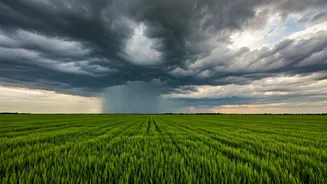
The arrival of the monsoon is the most critical event of the year for India's agricultural sector, which remains heavily dependent on seasonal rains for the Kharif crop season. [19] In Uttar Pradesh, one of the country's most significant agricultural states, the delay and the preceding heat have put stress on farming activities. [18] The erratic weather has made sowing decisions difficult for farmers. [18] The coming rains are vital for the cultivation of major crops like rice, pulses, and oilseeds, and will help replenish soil moisture and recharge groundwater. [19, 23] However, the relief comes with risks; a poor or unevenly distributed monsoon can still pose a threat to crop yields, making the performance of this year's monsoon crucial for both rural incomes and national food security. [24]
Heightened Risk in the Hills
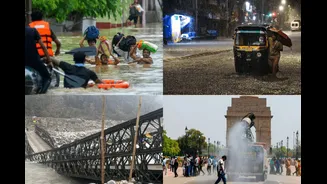
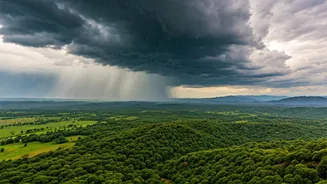
While the plains anticipate relief, the monsoon's arrival in the fragile ecosystem of Uttarakhand signals a period of heightened alert. The mountainous terrain is particularly vulnerable to heavy rainfall, which can trigger landslides, flash floods, and disruptions to life and transport. [22] Recognizing these dangers, state authorities have been actively preparing for the season. The Uttarakhand State Disaster Management Authority (USDMA) has been coordinating with various departments, stockpiling essentials in remote areas, and readying emergency response teams. [9] Earlier in June, workshops on monsoon preparedness were held to streamline disaster management strategies. [9, 21] For residents, pilgrims, and tourists, authorities have advised extreme caution, recommending they stay updated with the latest weather forecasts and advisories. [25]