





The Joy of the Fruit
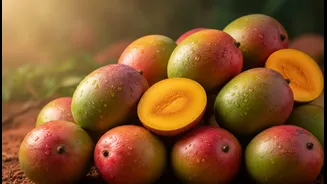
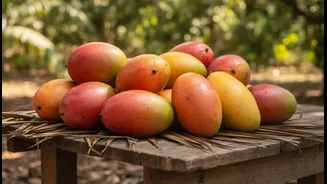
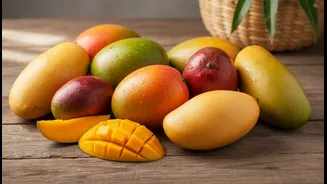
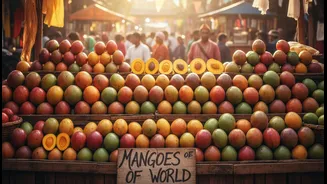
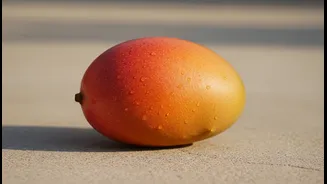
Mango festivals are a sensory overload in the best possible way. From Delhi to Lucknow, these events are a staple of the Indian summer, drawing thousands of visitors. We wander through labyrinths of stalls, marvelling at the sheer diversity—the creamy
Alphonso, the sweet Kesar, the prolific Banganapalli. We participate in tasting sessions, eating competitions, and watch chefs transform the fruit into culinary marvels. These festivals successfully celebrate the mango as a cultural icon, a symbol of prosperity and the undisputed king of fruits. They provide a fantastic platform for us to access hundreds of varieties, many of which we might never find in a local market. The focus is, rightly, on the magnificent bounty of the harvest. But a harvest doesn't just appear; it is the culmination of a year of hard work.
The Missing Story
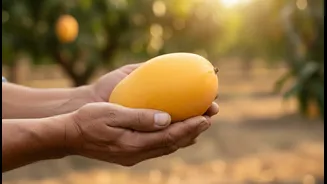
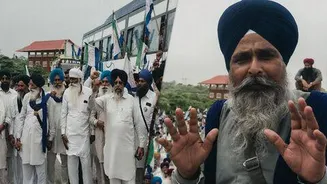
Amidst the celebration, there is a conspicuous absence. We see the fruit, but we rarely see the face of the farmer. The hands that tended the saplings, fought off pests, and prayed for timely rain remain invisible. The current model of most festivals treats the mango as a commodity, a finished product displayed for sale. The narrative begins at the stall, not in the orchard. This is a massive missed opportunity. Farmers in India face enormous challenges, from the unpredictability of the monsoon and pest attacks to exploitation by middlemen and volatile market prices. A recent report highlighted the paradox of Indian mangoes being celebrated globally while many farmers struggle to even recover their cultivation costs. By reducing the festival to a mere marketplace, we disconnect the fruit from its origin story, from the soil, and from the sweat of the people who produce it.
Why the Grower Matters
Putting growers at the heart of the festival isn't just a sentimental idea; it's a strategic one with tangible benefits for everyone. For consumers, meeting the farmer builds a bridge of trust. It offers a chance to ask questions: Is this fruit grown organically? What are the unique characteristics of this variety? This direct interaction transforms a simple transaction into a meaningful connection. For farmers, these festivals become more than just a sales outlet; they are a platform for direct marketing, allowing them to bypass intermediaries and receive a fairer price for their produce. They get direct feedback from the people who eat their fruit, fostering pride and encouraging quality. This direct link empowers farmers, turning them from price-takers into entrepreneurs who can build a loyal customer base.
A New Vision for Festivals
What would a grower-centric mango festival look like? Imagine stalls where the farmer, not just a salesperson, proudly stands beside their produce. Picture “Meet the Grower” sessions where they share stories of their orchards and the challenges of a changing climate. Think of workshops on grafting techniques or identifying different mango varieties, led by the very experts who have dedicated their lives to them. We could have QR codes on every box of mangoes, linking to a short video of the farm where it was grown. Some festivals have already begun to move in this direction, focusing on connecting conscious consumers with farmers and bridging the urban-rural divide. Instead of being just a commercial event, the festival becomes an educational and cultural one, enriching the experience for visitors and dignifying the labour of the growers.
From Transaction to Connection
This model of integrating the producer into the celebration isn't limited to mangoes. It can and should be the template for all our agricultural festivals, whether for apples in Himachal or spices in Kerala. Initiatives like Rythu Bazars in Andhra Pradesh and Uzhavar Sandai in Tamil Nadu have already shown the power of farmer-consumer markets. By applying this logic to festivals, we elevate them. They cease to be just places to buy things and become spaces to learn, connect, and appreciate the entire food system. When we hear the farmer's story, we are no longer just buying a fruit; we are investing in a family, a community, and the future of our agricultural heritage.