





A New Strategy for the Red Planet
NASA has officially launched a new chapter in its quest to explore Mars, turning to the private sector to solve some of its most persistent challenges. The agency recently awarded seven companies contracts under a new initiative called STRIDE, which stands
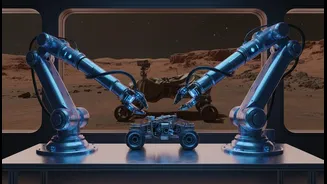
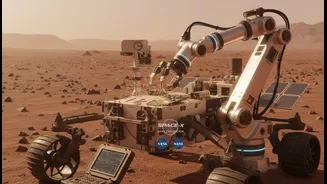
for Science Transport and Robotic Innovation for Deployment and Exploration. The goal is to spur the development of advanced robotic systems that can go where current rovers like Curiosity and Perseverance cannot. With a total potential value of around $17 million, these public-private partnerships aim to create rovers, drones, and software that can handle the difficult terrain of Mars, from steep crater walls to sandy dunes where past rovers have struggled. This move signals a strategic shift, leveraging commercial expertise to accelerate exploration and prepare for more complex future missions, including the ambitious Mars Sample Return campaign and eventual human expeditions.
The Challenge: Mars is Hard
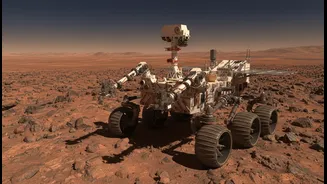
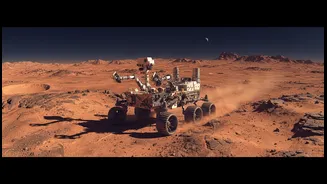
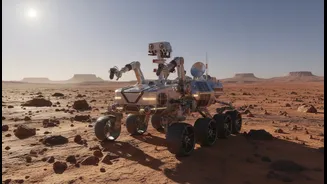
For all their incredible success, NASA's rovers have their limits. The Martian surface is a minefield of hazards. Steep slopes, sharp rocks, and deep sand traps can stop a multi-billion dollar mission in its tracks. For years, mission planners have had to choose safer, flatter landing sites, even if it meant a longer and more arduous journey to reach scientifically rich areas. The Spirit and Opportunity rovers, for example, battled issues with mobility in soft sand. Even the advanced Curiosity rover has had to be rerouted after struggling with slippery, steep climbs, a process that can cost weeks or months of precious mission time. The STRIDE initiative directly targets this problem, seeking innovative designs for both ground and aerial vehicles that can provide greater endurance, travel longer distances, and access hard-to-reach locations that hold the most promise for discovery.
The Innovators: Meet the Companies
NASA has spread its bets across a diverse group of companies, from established aerospace players to nimble startups. The seven awardees are AeroVironment, Astrobotic, Venturi Astrolab, Ground Control Robotics, Honeybee Robotics, Intuitive Machines, and MEI Technologies. Each brings a unique approach to the problem of Martian mobility. AeroVironment is renowned for its unmanned aerial vehicles, suggesting a focus on next-generation Mars helicopters. Companies like Astrobotic, Intuitive Machines, and Honeybee Robotics have deep experience in developing lunar landers and robotic systems for harsh space environments, expertise that is directly transferable to Mars. Others, like Venturi Astrolab and Ground Control Robotics, are focused on creating new classes of rovers designed for extreme mobility and durability. These contracts are for early-stage design studies and prototypes, with the work expected to begin in the fall of 2026.
Beyond Wheels: The Future of Mobility
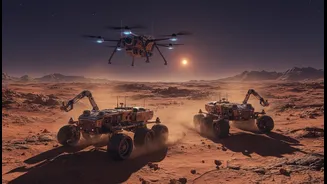
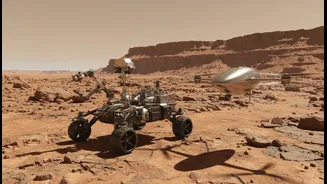
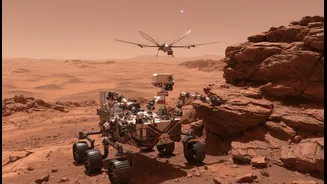
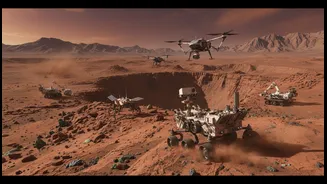
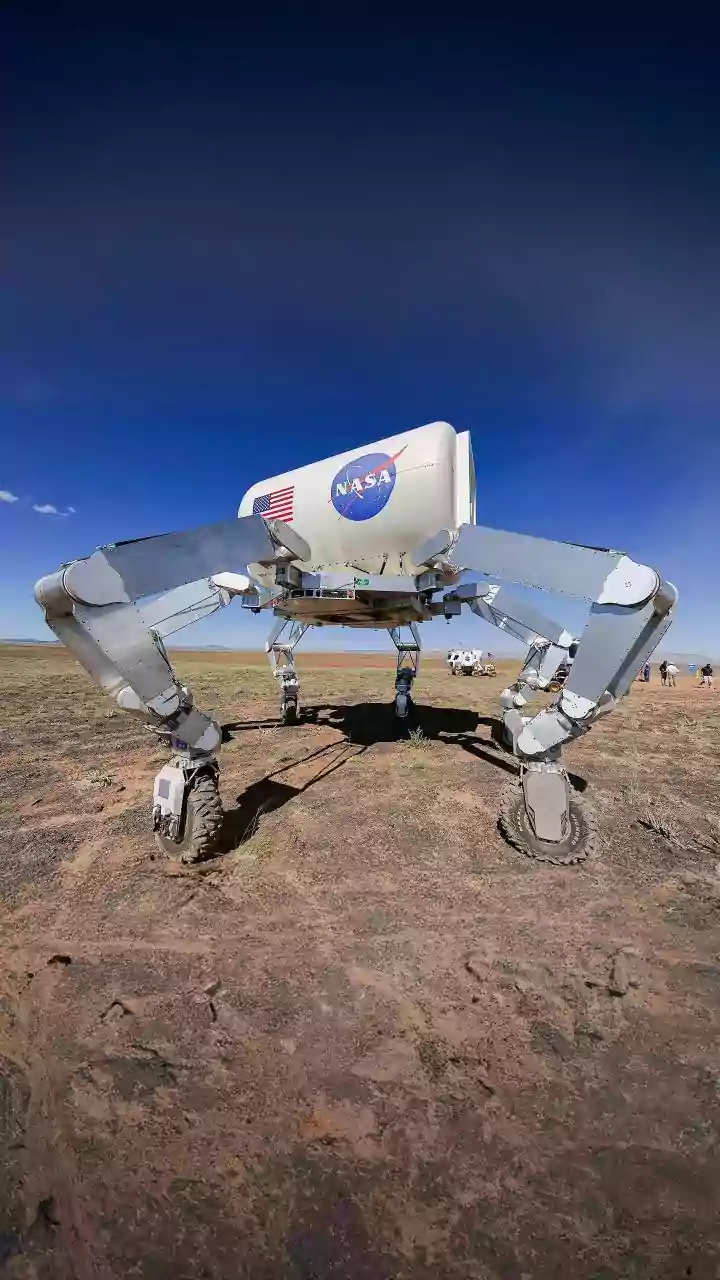
The technologies funded by STRIDE could look very different from the six-wheeled rovers we're used to. The initiative is looking for breakthroughs in several key areas. This includes enhanced autonomy, allowing robots to make real-time navigation decisions without constant input from Earth, which is critical given the long communication delays. It also involves developing advanced mobility systems, which could mean anything from legged robots inspired by animals to swarms of smaller, coordinated bots that can cover more ground. Aerial platforms are also a major focus. Following the groundbreaking success of the Ingenuity helicopter, which proved flight was possible in the thin Martian atmosphere, NASA is keen to develop more capable drones that can act as scouts for rovers or even collect samples from inaccessible areas. These systems will be designed to carry scientific payloads, turning them into fully-fledged exploration platforms.
Paving the Way for Human Exploration
Ultimately, these advanced robots are pioneers, doing the groundwork for the first human astronauts to walk on Mars. The data they collect on terrain, weather, and potential resources like subsurface ice is essential for planning safe and effective human missions. Technologies developed under STRIDE will inform the design of future vehicles, including the pressurized rovers that will serve as mobile homes and labs for astronauts on the Martian surface. This initiative is part of a broader trend at NASA of fostering a commercial space economy, not just for Earth orbit but for deep space destinations. By investing in these companies, NASA is not only solving its own exploration challenges but also helping to build an industrial base capable of supporting a sustained human presence on the Moon and, eventually, Mars.