
More Than Just Cargo
For years, the conversation around India's inland waterways focused on their potential to move freight, offering a greener and more cost-effective alternative to trucks and trains. But a much more exciting chapter is now being written. Under the National
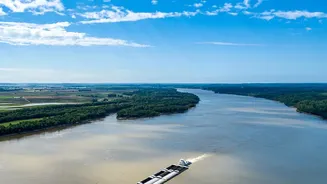
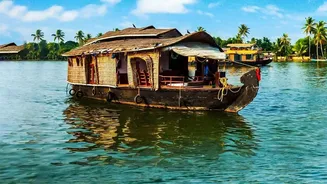
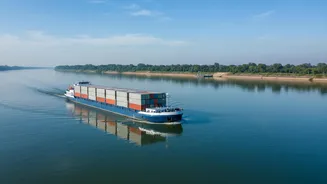
Waterways Act, 2016, which designated 111 rivers and canals as National Waterways (NWs), the vision has expanded dramatically. While cargo movement remains a priority, the government is heavily promoting passenger transport and river tourism. As of early 2026, 32 waterways are operational for cargo and passenger movement, with plans to bring that number up to 52 in the coming years. This isn't just about building ports; it's about creating a new artery for travel, connecting cultural sites, natural wonders, and remote communities in a way that has never been possible on this scale before.
The Dawn of River Cruising
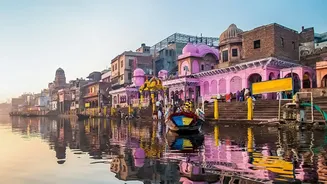
The launch of the MV Ganga Vilas in 2023 was a watershed moment, putting Indian river cruising on the global map. This luxury vessel, which travels over 3,200 kilometres from Varanasi to Dibrugarh via Bangladesh, showcased the immense potential for high-end tourism. The 51-day journey covers over 50 tourist destinations, including World Heritage sites like the Sunderbans and national parks like Kaziranga. The success of Ganga Vilas has spurred further development, with the government's River Cruise Tourism Roadmap 2047 aiming to unlock the full potential of India's rivers. This includes developing new cruise circuits and terminals across the country, from the Brahmaputra in Assam to the rivers of Goa and Kerala. As of July 2026, 17 river cruise circuits are already operational across nine states, with many more in the pipeline.
Bridging the Final Mile
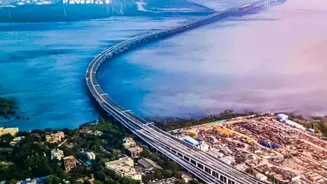
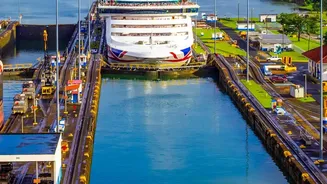
A major challenge for any transport system is ensuring seamless 'last-mile connectivity'—getting people from the terminal to their final destination. The waterways plan explicitly addresses this. The government is facilitating the development of community jetties, floating terminals, and multi-modal hubs that integrate with local transport. On National Waterway-1 along the Ganga, 66 community jetties have already been commissioned to help local communities and tourists. This infrastructure is crucial. Imagine disembarking from a ferry and having immediate access to e-rickshaws, shuttle services, or rental bikes to explore a nearby temple, market, or heritage site. In Kochi, a groundbreaking proposal aims to connect the Water Metro service directly to the international airport, allowing passengers to go from ferry to flight without touching road traffic.
Journeys for Every Traveller
While luxury cruises like the Ganga Vilas grab headlines, the expansion of waterways is also about creating affordable and practical transport for everyone. The plan includes a significant focus on Roll-on/Roll-off (Ro-Ro) ferries, which can carry both passengers and vehicles, drastically cutting travel times in coastal and riverine states. Services in Gujarat, Goa, and Maharashtra are already easing road congestion and boosting local connectivity. Furthermore, urban water transport systems, like the proposed 'water metros' in Guwahati, Tezpur, and Dibrugarh, are being developed to offer modern mobility along the Brahmaputra. Hybrid electric catamarans are being deployed in cities like Varanasi and Ayodhya, providing a greener mode of transport for daily commuters and pilgrims alike. These initiatives demonstrate a commitment to making river travel an accessible and integrated part of everyday life.
A New Way to See India
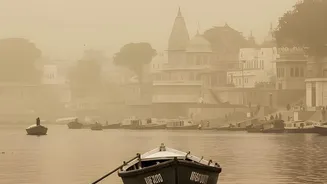
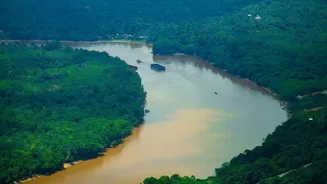
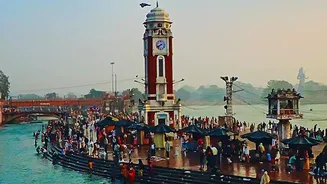
The development of national waterways represents a fundamental shift in how India views its geography and heritage. It's an invitation to slow down and experience the country from a different perspective. This network connects major spiritual centres like Varanasi and Patna Sahib with incredible biodiversity hotspots such as the Sunderbans and Kaziranga National Park. The government's push to develop terminals, improve navigation, and ensure safety is creating a reliable framework for private operators to launch new services. This includes everything from luxury long-haul cruises to short-distance ferry hops and day-long sightseeing trips. While challenges related to navigability and environmental impact exist, the momentum is undeniable. The Brahmaputra, in particular, is being positioned as the next major hub for global river cruising, building on its role as a cultural and commercial lifeline for the Northeast.