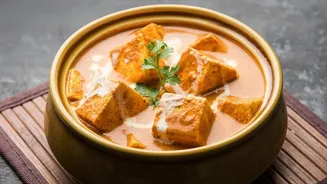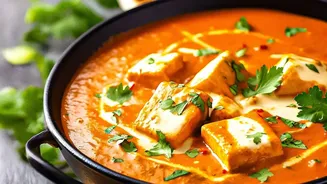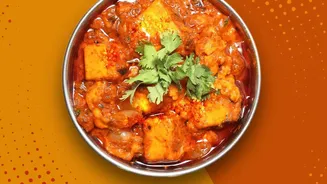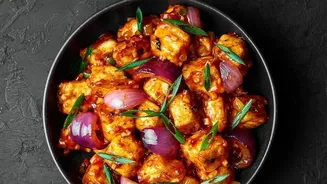


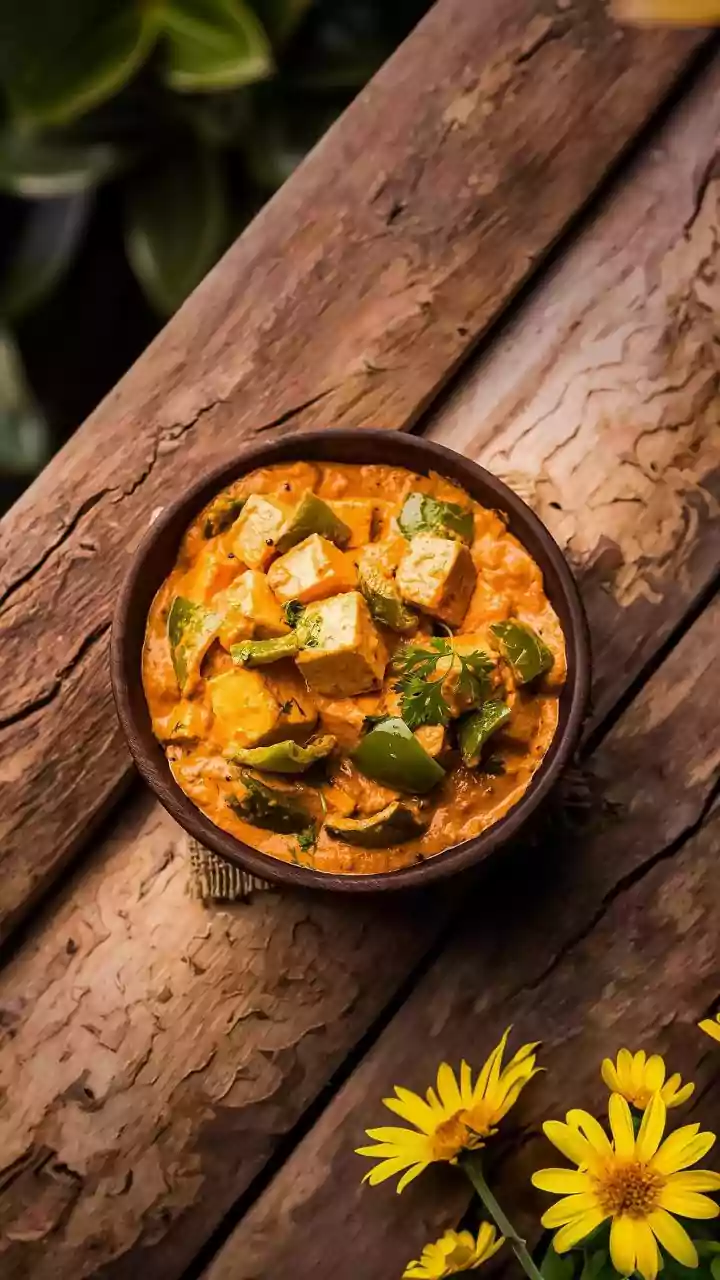



Ever wonder why the paneer butter masala at your favourite restaurant has a rich, velvety gravy that coats every cube perfectly, while yours is just a little... thin? The secret isn't a rare spice or fancy gadget. It's a simple technique: sauce reduction.
The Real Secret: Concentration, Not Complication
We’ve all been there. You follow a recipe for shahi paneer or kadai paneer to the letter, but the final dish lacks that deep, complex flavour you crave. The culprit is almost always a watery gravy. Restaurants achieve their signature richness by patiently cooking down their sauces to concentrate the flavours. In essence, reduction is the process of simmering a liquid to allow water to evaporate, leaving behind a thicker, more intensely flavoured sauce. It’s not about adding more ingredients; it’s about getting more flavour from the ones you already have. This method turns a simple tomato and onion base into a luxurious, glossy sauce that clings beautifully to paneer.
Master the 'Bhuna' Technique
The foundation of most great Indian curries is the 'bhuna' masala, which is the first and most critical stage of reduction. 'Bhuna' simply means to roast or fry. This involves sautéing your base aromatics—typically onions, ginger, and garlic—in oil or ghee over a low to medium flame until they break down completely and release their natural sugars. The goal is to cook them past the point of being merely soft and translucent. You're looking for a deep golden-brown colour and for the oil to start separating from the paste. This separation is a visual cue that the water content has significantly reduced and the flavours have begun to caramelize and intensify, creating the flavour backbone of your entire dish. Rushing this step is the most common mistake that leads to a raw, unrefined gravy taste.
Layer Your Spices and Simmer with Patience
Once your onion-tomato base is properly 'bhunaoed', it's time to introduce the spices. Adding powdered spices like turmeric, coriander, and red chilli powder to the hot oil and cooked-down paste allows them to 'bloom' or toast, releasing their essential oils and deep aromas. This is far more effective than adding them to a watery sauce where they would simply boil. After the spices are fragrant, you can add your liquid—be it water, stock, or tomato puree. But the process doesn't end there. The second stage of reduction is a slow, patient simmer. Letting the gravy bubble gently, uncovered, for 15-20 minutes allows the flavours to meld together and the sauce to reach its ideal consistency. A rushed boil will create steam but won't develop the same depth of flavour as a slow, deliberate simmer.
Finishing for That Restaurant-Style Sheen
A well reduced sauce provides the flavour, but the final touches create that signature creamy texture and glossy finish. Many restaurant recipes use a paste of soaked cashews, which acts as a natural thickener and adds incredible creaminess without making the dish feel overly heavy. This is often blended into the tomato onion base before the final simmer. For an even more velvety mouthfeel, some chefs strain the sauce to remove any remaining fibrous bits of onion or tomato. Finally, enriching ingredients like cream, a knob of butter, or a sprinkle of crushed kasuri methi (dried fenugreek leaves) should be added at the very end, with the heat turned off or low. Cooking cream for too long can cause it to split, so stirring it in right before serving ensures a smooth, rich gravy that perfectly complements the soft paneer.