




Know the Reopening Rush
Most national parks in India close during the heavy monsoon months from July to September. They typically begin reopening in phases from October 1st. Parks like Ranthambore, Sariska, and Tadoba often open their gates early in the month, while others like Kanha,
Bandhavgarh, and parts of Corbett may follow around mid-October. This reopening marks the start of the peak tourist season. Wildlife enthusiasts are eager to return, so booking your safaris and accommodation well in advance is crucial to avoid disappointment. Safari permits for core zones are in high demand, so early planning ensures you get your preferred dates and zones.
Embrace the Green Wilderness
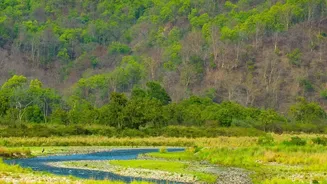
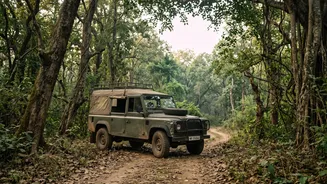
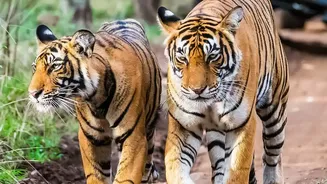
The single most defining feature of a post-monsoon safari is the landscape. The forests are incredibly dense and green, waterholes are full, and the entire ecosystem feels vibrant and alive. This lushness is breathtakingly beautiful but can also make spotting wildlife, particularly tigers, more challenging due to the thick vegetation. However, this period is a paradise for birdwatchers, with many resident species active and migratory birds beginning to arrive. Herbivores like deer and gaur are often seen enjoying the fresh growth. It’s a time to appreciate the entire forest ecosystem, from the smallest insects and colourful butterflies to the alarm calls that signal a predator's movement.
Pack for Sun, Chills, and Humidity
October and November weather can be deceptive. While daytime can be pleasant and sunny, early morning and evening safaris in an open jeep can be surprisingly cold. Layering is your best strategy. Pack lightweight cotton clothes in neutral, earth-toned colours like khaki, olive, and brown to blend in with the surroundings. Also include a warm fleece or jacket, gloves, and a scarf or cap for the chilly drives. Since the monsoon has just ended, the air can still be humid, and a stray shower is always possible, so a lightweight waterproof jacket or poncho is a wise addition.
Essential Gear Beyond Your Camera
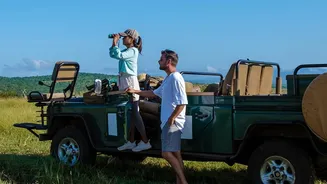
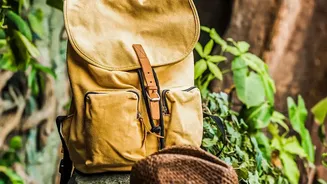
While a camera with a good zoom lens is a must for many, other gear is just as important. A good pair of binoculars is non-negotiable for spotting wildlife partially hidden in the dense foliage or birds high up in the canopy. Due to the recent rains, insect activity can be high, so a reliable insect repellent is essential to protect against bites. Also pack sunscreen, sunglasses, and a wide-brimmed hat for protection during the day. Since drives can be dusty even after the rains, a buff or scarf to cover your face is highly recommended. Finally, carry a small, dust-proof daypack for your essentials during the 3-4 hour safari drives.
Trust Your Guide and Be Patient
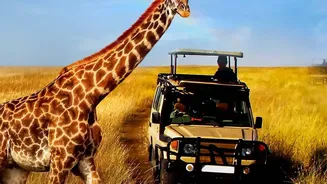
The post-monsoon period can present unique challenges, such as muddy tracks and repaired roads. Your safari guide and driver are experts in navigating this terrain. Always follow their instructions, stay within the vehicle, and maintain silence to maximize your chances of a good sighting and ensure safety. Patience is key. The dense vegetation means animals can be more elusive. Instead of focusing solely on spotting a tiger, immerse yourself in the experience. Listen to the sounds of the forest, look for pugmarks, and appreciate the incredible biodiversity that the monsoon's afterglow reveals. This approach turns every moment in the jungle into a discovery.