


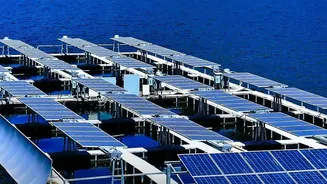
The Solar Dream Meets a Sobering Reality
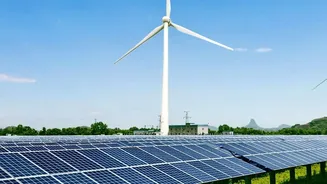
India's solar capacity has expanded dramatically, reaching over 164 GW by mid-2026. This rapid growth is central to the nation's climate goals and its quest for energy independence. However, solar power has an inherent limitation: it is intermittent.
The sun doesn't shine at night, and cloudy days can drastically reduce output. This creates a fundamental mismatch between when power is generated (during sunny daylight hours) and when it's often needed most (during evening peaks). Without a way to manage this variability, the stability of the entire power grid is at risk. This is where the three pillars of storage, transmission, and flexibility become not just important, but absolutely essential.
The Storage Imperative: Saving Sunshine for a Rainy Day
Energy storage is the solution to solar power's intermittency. Think of it as a giant power bank for the country. Technologies like Battery Energy Storage Systems (BESS) and Pumped Hydro Storage can absorb surplus solar energy generated during the day and release it when demand is high and generation is low. Recognizing this, India has set ambitious goals, aiming for significant energy storage capacity by 2032 to support its clean energy targets. The government is also pushing for mandatory battery storage for new solar and wind projects starting from 2027 to ensure a more reliable power supply. With storage costs falling, these systems are becoming increasingly vital for providing round-the-clock clean power and preventing the wastage of valuable solar energy.
The Transmission Bottleneck: A Highway for Electrons
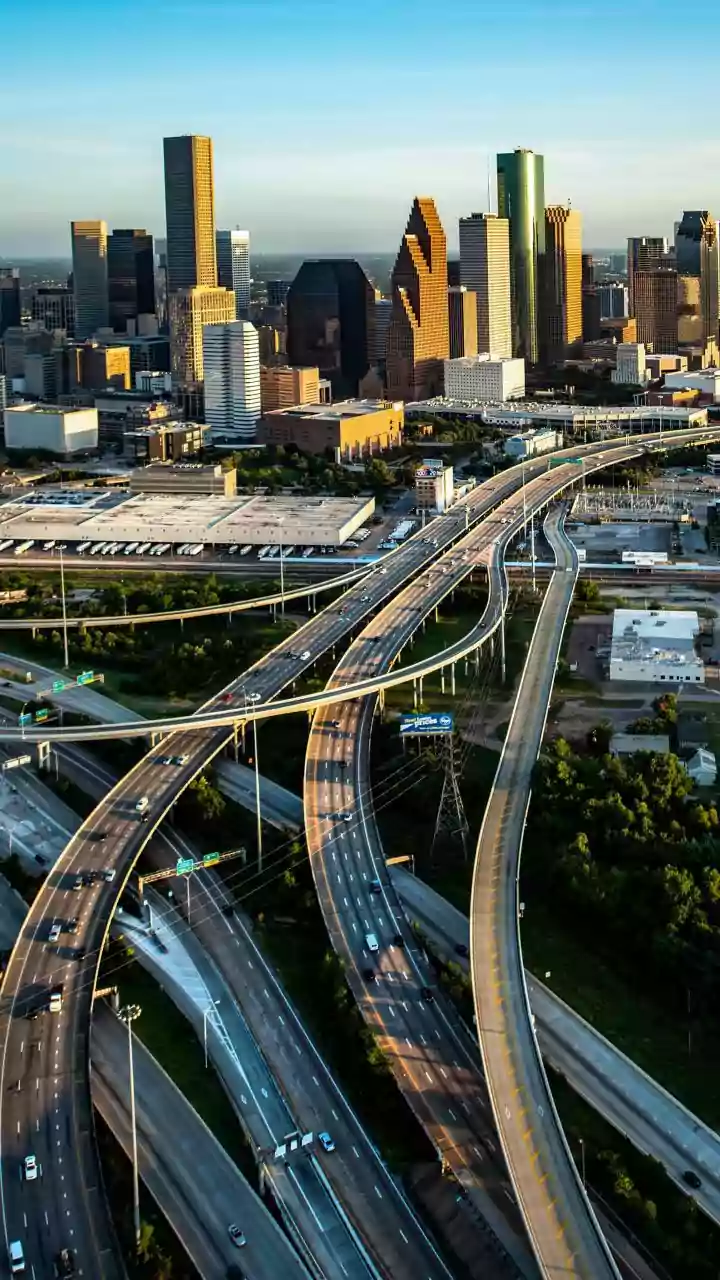
Generating power in the sunny deserts of Rajasthan is one thing; getting that power to cities and industrial hubs hundreds of kilometers away is another. India's transmission infrastructure, the high-voltage lines that act as highways for electricity, is struggling to keep pace with the rapid build-out of solar farms. This mismatch can lead to "curtailment," a situation where perfectly good solar power generation has to be shut down because there isn't enough capacity on the transmission lines to carry it away. This not only wastes clean energy but also impacts the financial health of renewable projects. Building new transmission corridors is a complex process involving land acquisition and multiple clearances, often taking much longer than building a solar plant. Expanding and modernizing this network is critical to move power from where it's abundant to where it's needed.
Grid Flexibility: The Key to a Modern Power System
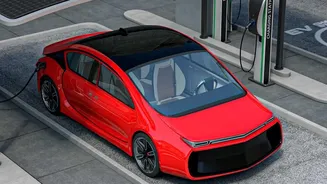
A flexible grid is a smart grid. It's the ability of the power system to quickly adapt to the fluctuating supply from renewables and changing demand patterns. Our traditional grid was built for the predictable, steady output of coal and gas power plants. Integrating massive amounts of variable solar and wind power requires a more dynamic approach. Flexibility can come from several sources: fast-ramping gas plants, hydropower, advanced software that predicts supply and demand, and even demand response programs that incentivize consumers to use less power during peak hours. Without this agility, the grid can face instability, voltage fluctuations, and even blackouts. Ensuring the grid can handle the two-way flow of energy from millions of rooftop solar installations and the charging demands of electric vehicles is the final piece of the puzzle.