



The Ancient Art of Fermentation
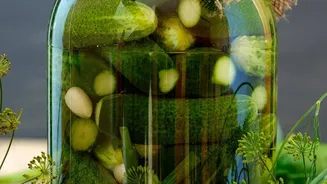
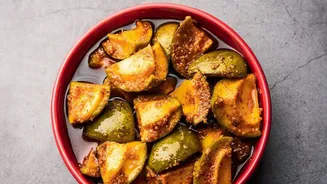
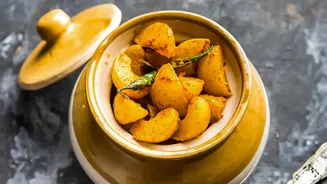
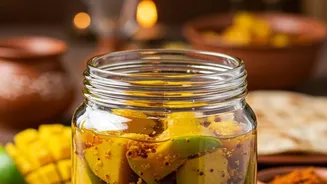
Heritage pickles, or traditional Indian achaar, are crafted using a time-honoured method of natural fermentation that dates back thousands of years. Unlike modern, quick pickles that rely on vinegar for their sour taste, traditional recipes use salt,
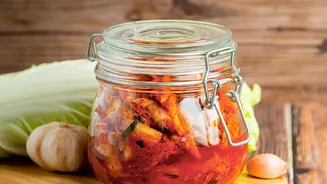
spices, and sometimes sunlight to preserve seasonal vegetables and fruits. This process, known as lacto-fermentation, encourages the growth of beneficial bacteria, particularly of the Lactobacillus variety. These microorganisms feed on the natural sugars in the vegetables, converting them into lactic acid. This not only preserves the pickle but also transforms it into a food with a complex flavour profile and significant health potential.
A Boost for Your Digestive System
The primary health benefit of naturally fermented pickles comes from their rich probiotic content. Probiotics are live, 'good' bacteria that help maintain a healthy balance in your gut microbiome—the vast community of microorganisms living in your digestive tract. A well-balanced microbiome is crucial for efficient digestion, helping to break down food more effectively and reduce common issues like bloating and gas. Furthermore, the fermentation process itself can make the nutrients within the vegetables more bioavailable, meaning your body can absorb them more easily. Spices commonly used in Indian pickles, such as fenugreek, cumin, and asafoetida (hing), also contribute their own digestive-aiding properties.
Connecting Gut Health to Immunity
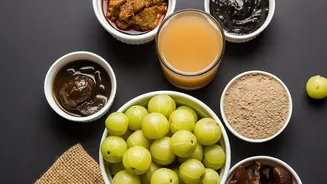
A healthy gut is the cornerstone of a strong immune system. In fact, a large portion of your body's immune cells reside in the gut. The probiotics from fermented pickles help strengthen the gut lining, creating a robust barrier that prevents harmful pathogens from entering the bloodstream. A diverse and thriving population of good bacteria can help modulate immune responses and reduce chronic inflammation, which is linked to a variety of health conditions. The inclusion of ingredients like turmeric, garlic, and amla (Indian gooseberry) in many pickle recipes adds antioxidant and antimicrobial properties, further supporting your body's natural defences.
Not All Pickles Are Created Equal
To reap these benefits, it's essential to choose the right kind of pickle. Many commercially produced pickles available today are made with vinegar and are often pasteurised (heat-treated) to extend their shelf life. While perfectly fine as a condiment, this process kills the live probiotic cultures, meaning they do not offer the same gut health advantages. When shopping, look for pickles labelled as 'naturally fermented', 'unpasteurised', or containing 'live cultures'. The ingredients list should be simple, primarily featuring vegetables, salt, oil, and spices, without the addition of vinegar or synthetic preservatives. True heritage pickles rely on the magic of fermentation, not industrial shortcuts.