



The Annual 'Pollution Break'
For families across Delhi-NCR, it has become a grimly familiar routine. As winter approaches, the Air Quality Index (AQI) plummets into the 'Very Poor' or 'Severe' categories, triggering the Graded Response Action Plan (GRAP). This year, authorities have
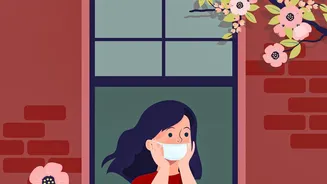
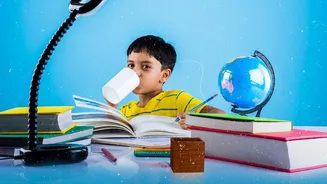
again mandated that schools for younger children move to a hybrid or fully online model to limit their exposure to the toxic air. While intended as a protective measure, this annual 'pollution break' forces children indoors for weeks on end, disrupting their education, social lives, and, increasingly, their mental peace. This recurring cycle of lockdowns—first due to the pandemic and now due to pollution—has created a new set of stressors for the city's youngest residents.
From Lungs to Mind: A Growing Mental Health Toll
While the physical effects of air pollution—from respiratory illnesses to headaches—are well-documented, the mental health impact is a growing area of concern for experts. Studies and clinical observations show a strong correlation between exposure to high levels of air pollutants and increased rates of anxiety, depression, and irritability in children. Psychiatrists in Delhi report seeing more children with mood swings, attention difficulties, and sleep disturbances, issues that are compounded by the social isolation of being stuck at home. The fine particulate matter, PM2.5, can cross the blood-brain barrier, potentially causing inflammation and altering brain chemistry, which can exacerbate stress and anxiety. A recent survey in Delhi-NCR found that nearly 70% of children felt stressed and worried due to poor air quality.
The Double-Edged Sword of Online Learning
Online classes, while a necessary evil to ensure learning continuity, present their own challenges. The extended screen time often leads to digital fatigue, difficulty concentrating, and a diminished learning experience for many. An NCERT survey highlighted that only about half of students were able to properly understand online content. More importantly, it robs children of crucial in-person social interaction with their peers, which is vital for developing social skills and emotional regulation. This lack of unstructured playtime and social connection, combined with the stress of confinement, creates a fertile ground for anxiety to take root.
Recognising the Signs of Distress
Anxiety in children doesn't always look like adult worry. Parents should be vigilant for changes in behaviour that could signal underlying distress. Common signs include increased irritability or anger, frequent mood swings, and difficulty sleeping or persistent nightmares. Some children may withdraw socially, losing interest in activities they once enjoyed, while others might complain of physical ailments like unexplained headaches or stomach aches. A noticeable decline in academic performance or an inability to concentrate on schoolwork can also be a red flag. Experts refer to this specific worry as 'eco-anxiety'—a stress associated with environmental problems that can feel overwhelming.
How Parents Can Create a Healthier Indoor World
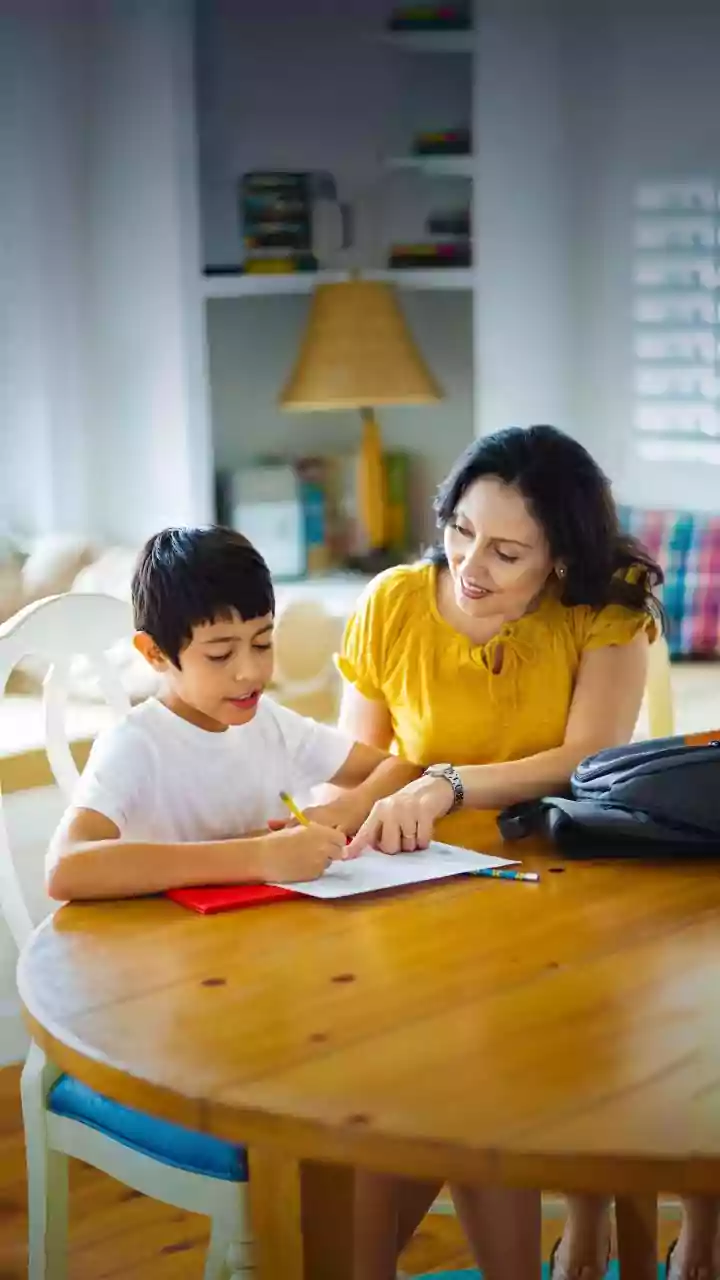
While controlling the air outside is beyond an individual's power, parents can take concrete steps to mitigate the mental health impact indoors. The first step is to validate your child's feelings. Acknowledge their frustration and fear instead of dismissing it. Establishing a structured daily routine that separates school time from playtime can provide a sense of normalcy and control. It's crucial to schedule time for physical activity, even if it's indoors, to help burn off energy and reduce stress. Encourage non-screen-based hobbies and family activities like board games or reading together. Finally, maintain open lines of communication. Creating a safe space for children to talk about their worries without judgment is one of the most powerful tools a parent has.