

In kitchens across India, a quiet revolution is taking place. The comforting, familiar flavours of classic regional recipes are being reimagined with a healthy twist, as home chefs swap traditional grains for nutrient-dense whole millets.
The Great Millet Comeback
For thousands
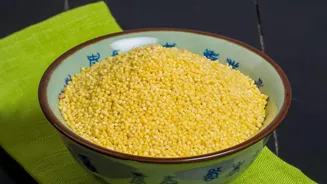
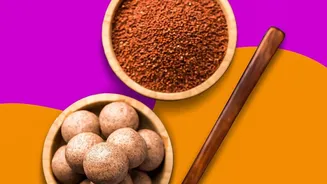
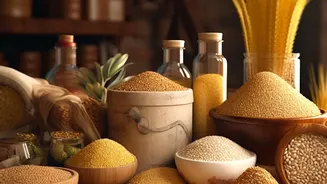
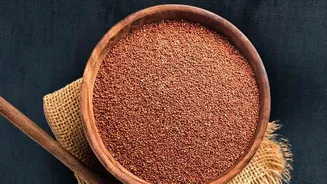
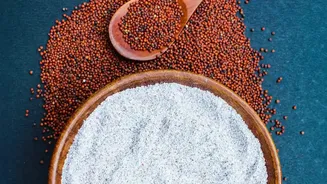
of years, millets like jowar (sorghum), bajra (pearl millet), and ragi (finger millet) were staple foods across the Indian subcontinent. They were the original grains, perfectly suited to local climates and forming the backbone of regional diets. However, the Green Revolution in the 1960s shifted focus to high-yield varieties of wheat and rice, pushing these ancient grains to the sidelines. Fast forward to today, and millets are experiencing a major resurgence. Driven by a renewed focus on health, sustainability, and a desire to reconnect with culinary roots, home chefs are leading the charge. Initiatives like the UN's designation of 2023 as the 'International Year of Millets' have also significantly boosted awareness, encouraging people to look at these grains in a new light.
From Tradition to Nutritious Transformation
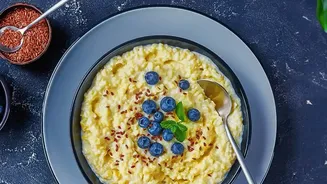
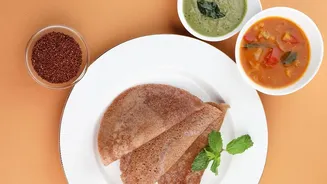
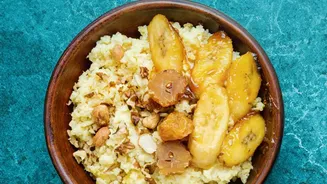
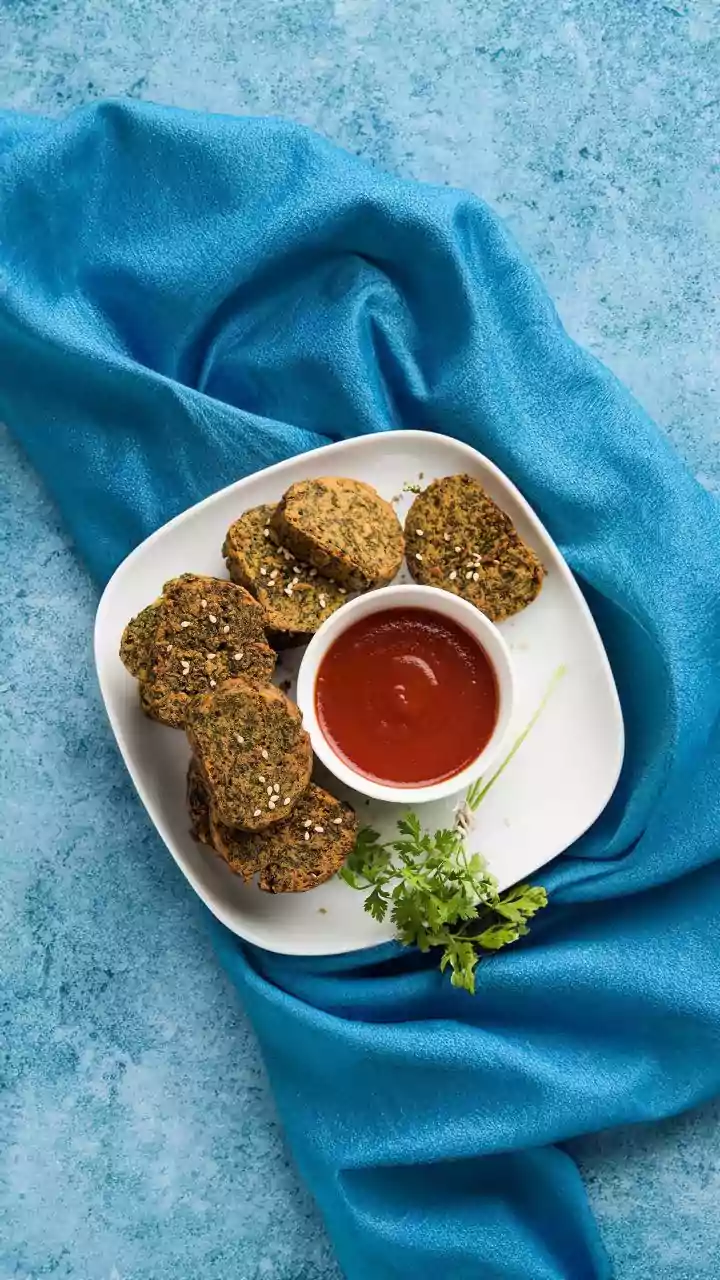
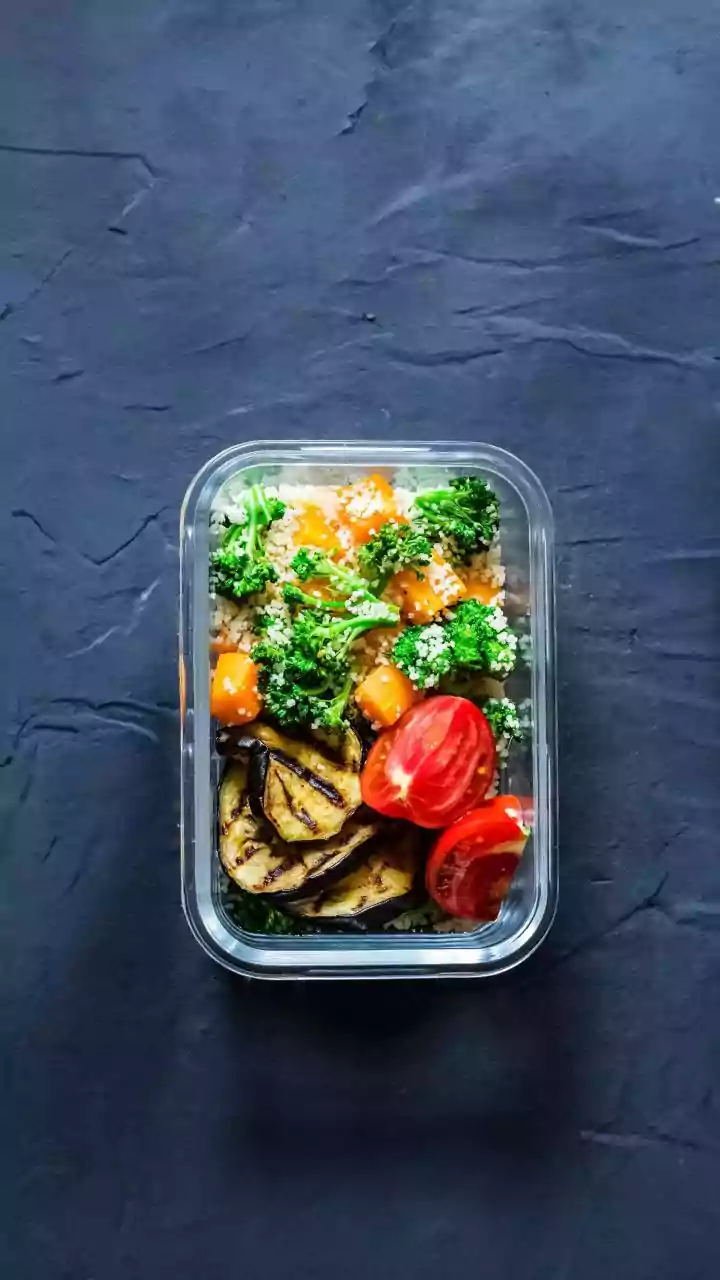
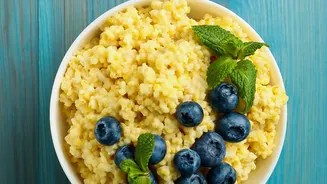
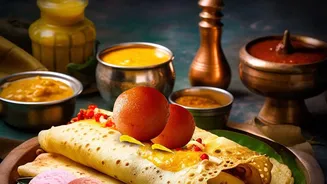
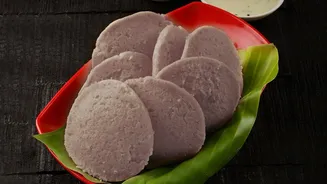
The real magic lies in how home cooks are adapting beloved recipes without sacrificing their soul. In the south, fluffy white rice in dosa and idli batter is being replaced with foxtail millet or a blend of millet flours for a lower glycemic index version. A comforting plate of biryani or pulao might now feature light, fluffy barnyard millet (sama) or foxtail millet instead of rice. In the west, bajra and jowar, traditionally used for flatbreads like bhakri, are finding their way into savoury pancakes (uttapams) and even baked goods. The simple khichdi, a one-pot comfort meal, is being transformed with various millets, each lending a unique texture and nutty flavour. Even desserts aren't immune to this healthy makeover, with chefs experimenting with millet-based phirni and kalakand.
More Than Just a Simple Swap
Switching to millets is not always a straightforward one-to-one substitution. These grains are gluten-free and have different properties than wheat and rice, which presents a creative challenge. For instance, making soft, pliable rotis from jowar or bajra flour requires using hot water to bind the dough, as it lacks the elasticity of wheat. Similarly, millet-based dosa batter often requires a longer fermentation time to achieve that perfect crispy texture. Home chefs have discovered that soaking whole millets is crucial. Soaking grains like foxtail or little millet for even 30 minutes, and heartier ones like kodo millet for a few hours, results in a more even texture and significantly reduces cooking time. This process of trial, error, and sharing knowledge within communities is what truly defines this culinary movement.
Why Make the Switch?
The motivation behind this shift is clear: health. Millets are nutritional powerhouses. They are packed with fibre, which aids digestion and promotes a feeling of fullness. Many varieties are rich in essential minerals; ragi is a fantastic source of calcium, while bajra is high in iron and magnesium. For the millions of Indians managing diabetes, the lower glycemic index of millets compared to polished rice is a major advantage, as it helps prevent sudden spikes in blood sugar. Beyond personal health, millets are also good for the planet. They are hardy crops that require significantly less water than rice and can thrive in poor soil, making them an environmentally sustainable choice for a waterstresed world.